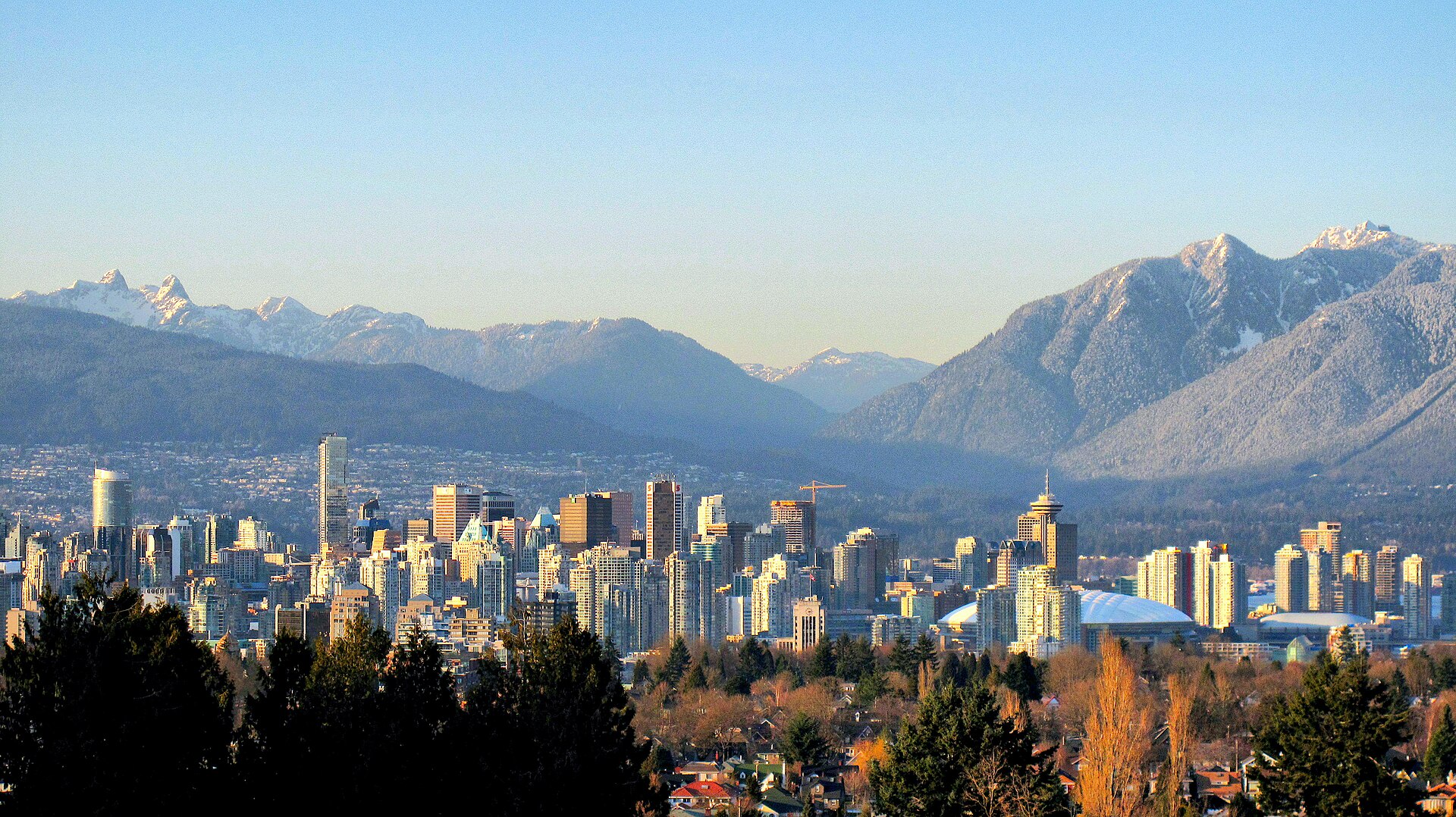
Vancouver has one of the mildest climates in Canada. Winters are cool and rainy rather than snowy, summers are warm and remarkably dry, and the city rarely sees the extreme heat or deep cold found elsewhere in the country. The trade-off is rain: from October to March, grey skies and drizzle are part of everyday life.
This guide explains Vancouver’s climate season by season and month by month, how much it really rains and snows, how the weather changes between the city, the North Shore mountains and the suburbs, what to pack, and when to visit for the weather you want.
Vancouver’s climate at a glance
- Climate type: temperate oceanic (Köppen Cfb), bordering on a dry-summer Mediterranean climate.
- Warmest months: July and August, with average highs of about 22°C (72°F).
- Coldest months: December and January, with average lows of about 1°C (34°F).
- Wettest month: November; the wet season runs roughly October to March.
- Driest months: July and August, with only about six days of measurable precipitation each.
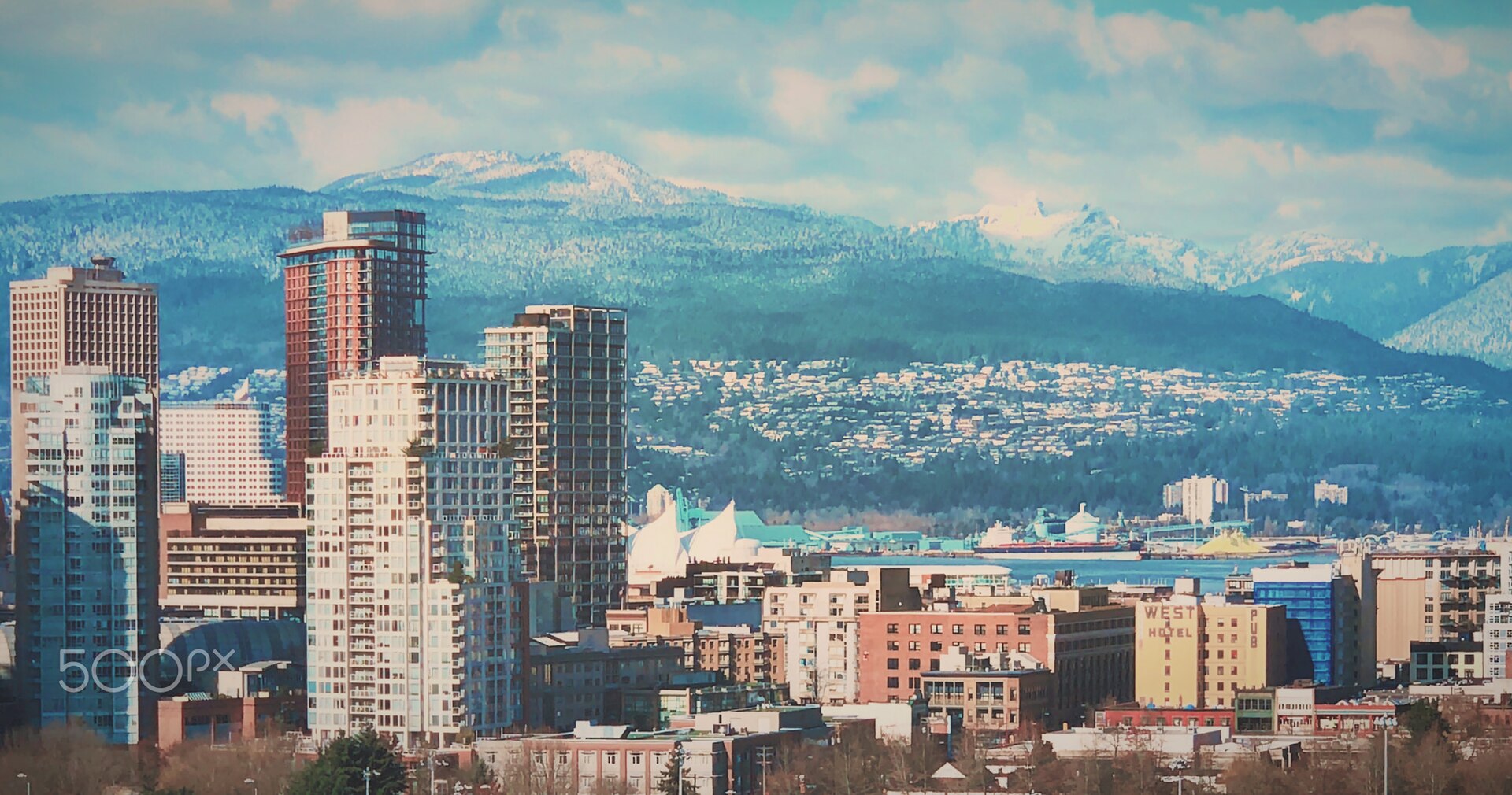
- Snow: light and short-lived in the city, usually only a handful of snowy days a year, while the nearby mountains get heavy snow for skiing.
- Annual average temperature: about 11°C (52°F) downtown, among the warmest of any major Canadian city.
Average weather in Vancouver by month
Approximate averages for Vancouver International Airport (YVR), based on Environment Canada climate normals. Downtown is usually a little warmer and wetter, and the North Shore is much wetter.
| Month | Avg high | Avg low | Days with precipitation | What to expect |
|---|---|---|---|---|
| January | 7°C (45°F) | 1.5°C (35°F) | 19.5 | Cool, wet and grey; occasional snow |
| February | 8°C (46°F) | 1.5°C (35°F) | 15.4 | Cool and damp; first blossoms late in the month |
| March | 10°C (50°F) | 3.5°C (38°F) | 17.7 | Showery; cherry blossoms begin |
| April | 13°C (55°F) | 5.5°C (42°F) | 14.8 | Mild, mixed sun and showers; peak cherry blossoms |
| May | 17°C (63°F) | 9°C (48°F) | 13.2 | Pleasant and increasingly sunny |
| June | 19.5°C (67°F) | 12°C (54°F) | 11.5 | Warm, mostly dry, some cloudy “June gloom” days |
| July | 22°C (72°F) | 14°C (57°F) | 6.3 | Warm, sunny and dry; peak season |
| August | 22°C (72°F) | 14°C (57°F) | 6.7 | Warm, sunny and dry; occasional wildfire smoke |
| September | 19°C (66°F) | 11°C (52°F) | 8.3 | Warm days, cool nights; often lovely |
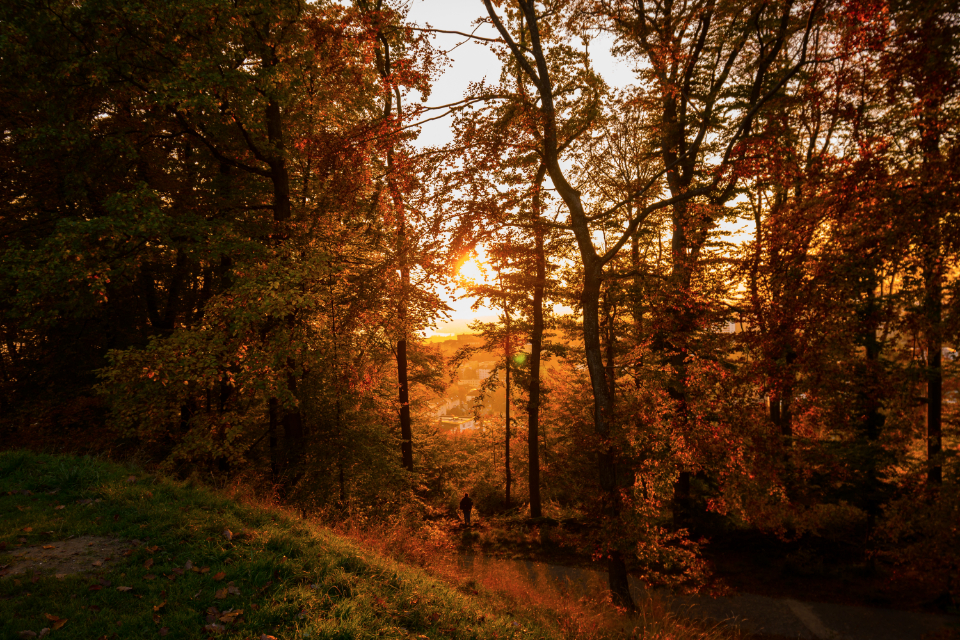
| October | 13.5°C (56°F) | 7°C (45°F) | 15.4 | Rain returns; fall colours |
| November | 9°C (48°F) | 3.5°C (38°F) | 20.4 | Wettest stretch of the year |
| December | 6.5°C (44°F) | 1°C (34°F) | 19.7 | Cool, wet and dark; snow possible |
Days with precipitation are days with at least 0.2 mm, from the 1981–2010 normals at YVR. Individual years vary.
Vancouver weather by season
Spring (March to May)
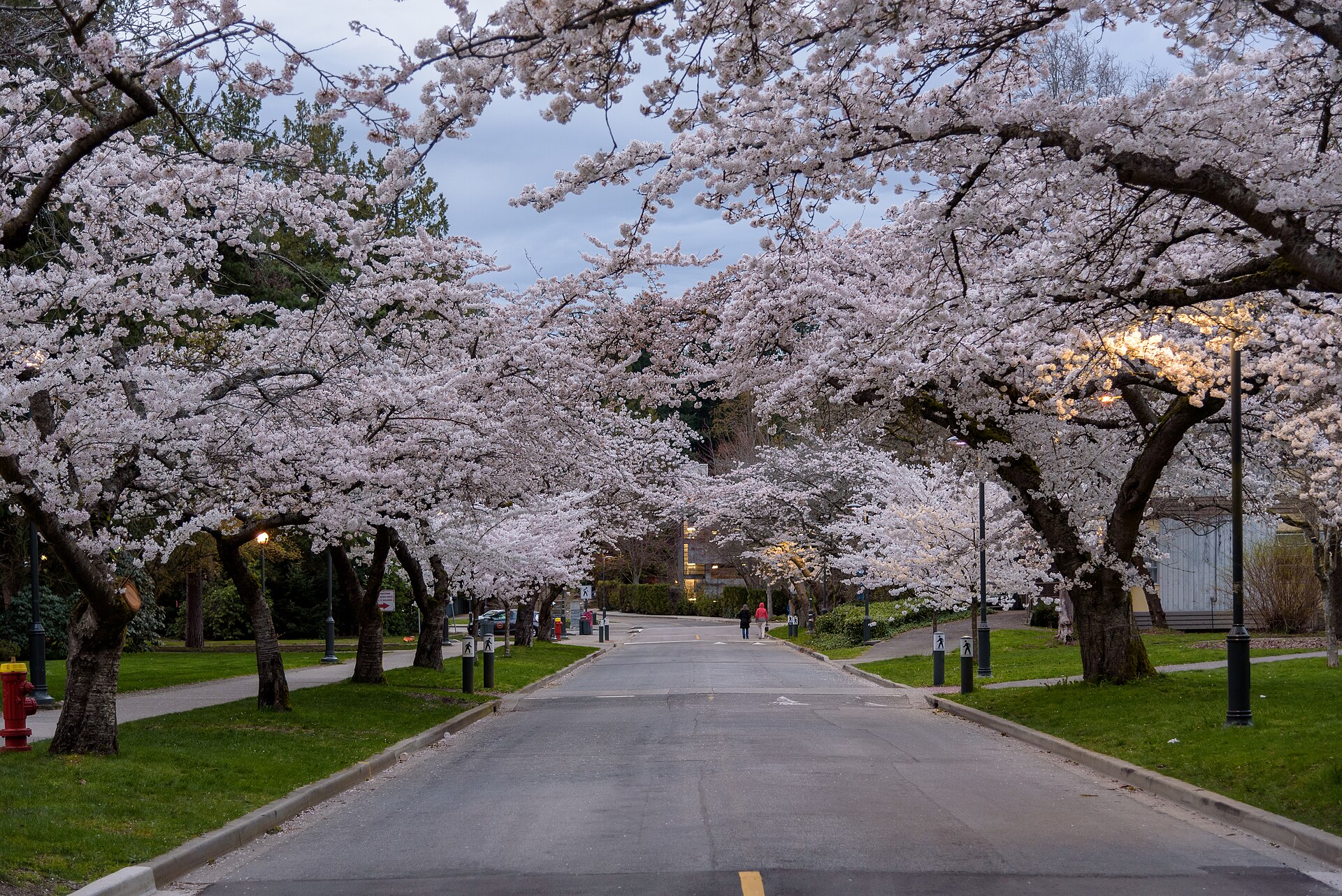
Spring arrives early on the West Coast. Temperatures climb from about 10°C in March to the high teens by May, and the city erupts in cherry and magnolia blossoms from late March through April. Expect a mix of sunny days and passing showers, sometimes in the same afternoon. The local ski hills often keep snow into April, so it is possible to ski in the morning and walk the Seawall in the afternoon.
Summer (June to September)
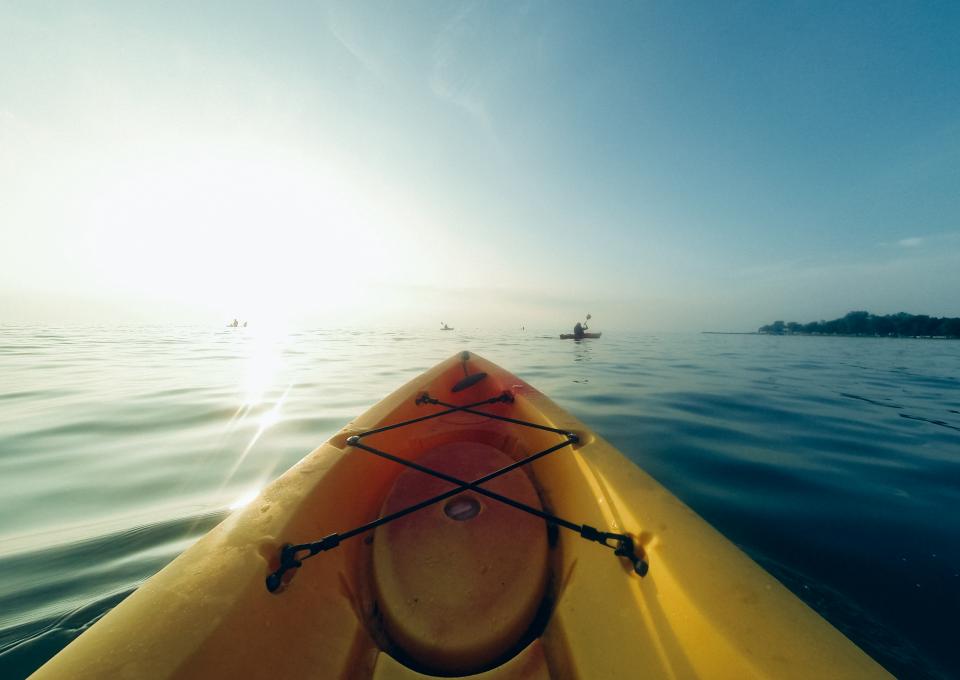
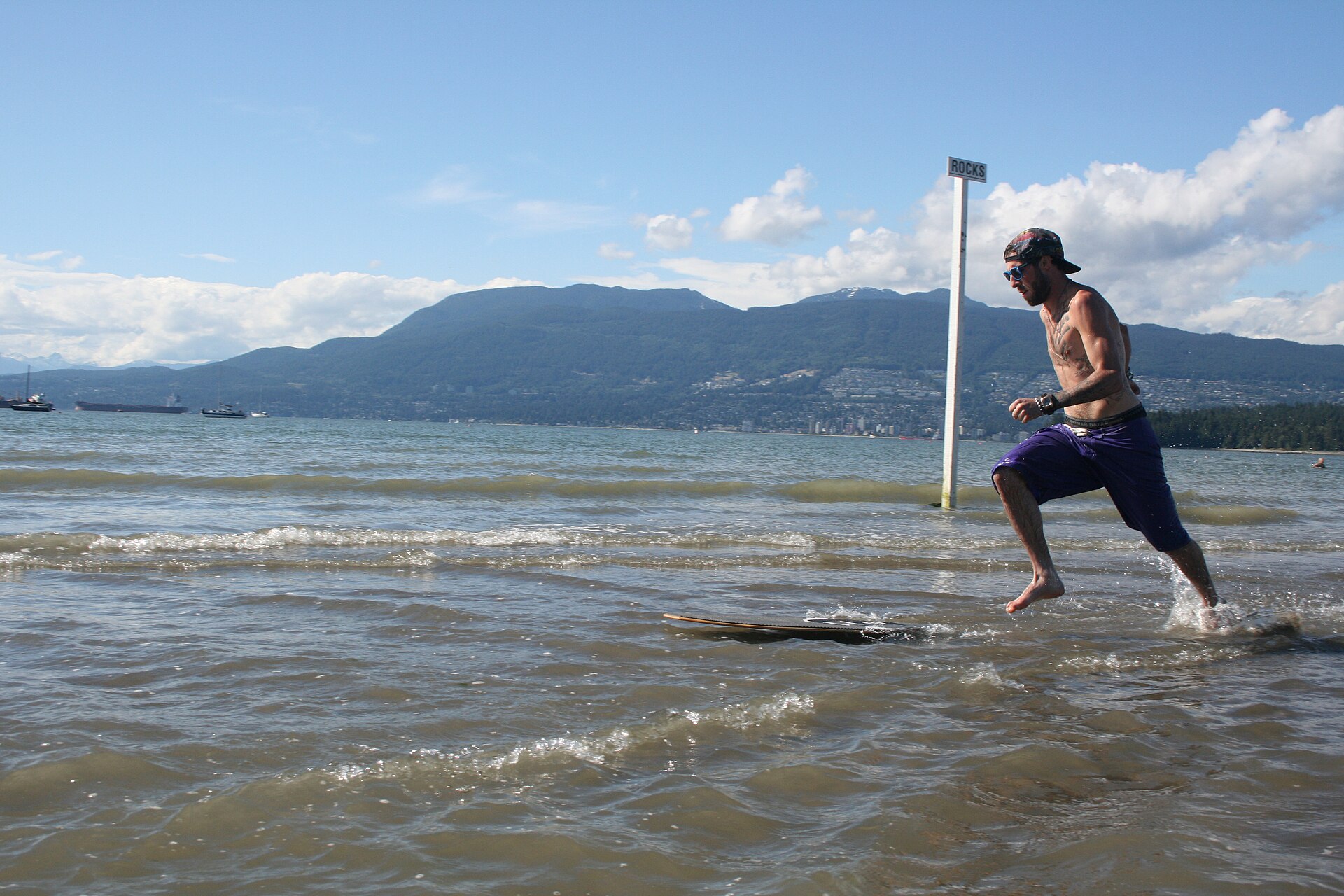
Summer is Vancouver’s showpiece season. July and August are reliably dry and sunny, with highs around 22°C and longer stretches in the mid-to-high 20s during warm spells. Humidity is low, evenings are cool by the water, and the sun sets after 9 pm in late June. June can start cloudier than people expect, and some summers bring heat waves or wildfire smoke drifting in from the BC Interior, so check air quality on hazy days.
Fall (September to November)
Early fall is often warm and settled, and September is one of the best months of the year. Rain returns in October, when the trees turn red and gold, and November is typically the wettest month, with frequent atmospheric river systems bringing several days of heavy rain.
Winter (December to February)
Winter in the city is mild and wet rather than frozen. Daytime highs are usually 5–8°C and lows hover just above freezing. Snow falls on a few days most years but rarely lasts more than a day or two at sea level, although an occasional cold snap can bring a bigger snowfall that slows the city down. Days are short, with sunset around 4:15 pm in late December. Meanwhile Cypress, Grouse and Seymour mountains, just 30 minutes away, get plenty of snow for skiing and snowshoeing.
How much does it rain in Vancouver?
Vancouver’s rainy reputation is earned, but it is mostly about frequency rather than downpours. YVR averages roughly 165–170 days a year with measurable precipitation, most of it falling between October and March as steady light rain or drizzle. Thunderstorms are uncommon. Summer is the opposite: July and August often go weeks with little or no rain.
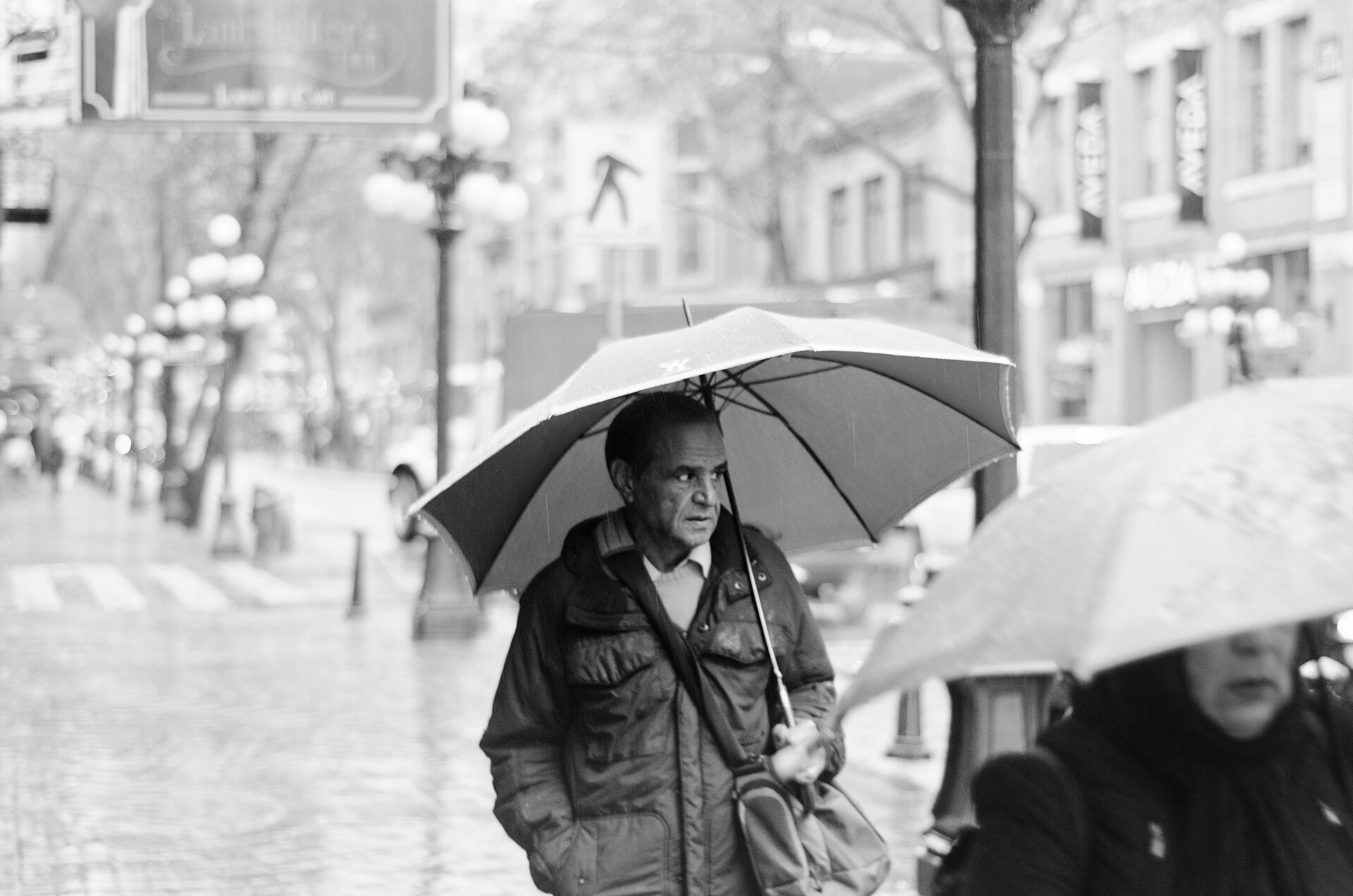
Rainfall varies a lot across the region. The airport in Richmond is one of the drier spots; downtown is wetter, and the North Shore, where moist Pacific air is pushed up the mountains, can get roughly twice as much rain as Richmond. If you are staying in North Vancouver or West Vancouver in winter, expect more rain and cooler temperatures than in the city.
Does it snow in Vancouver?
Yes, but not much at sea level. Vancouver has one of the lowest snowfall totals of any major Canadian city, averaging fewer than ten days a year with measurable snow, and snow on the ground usually melts quickly. Because the city is not used to it, even a few centimetres can disrupt traffic and transit, so give yourself extra time on snowy days. For reliable snow, head up to the North Shore mountains or to Whistler, about two hours north.
Vancouver’s microclimates
- Richmond and Delta: flat, near sea level and among the driest and sunniest parts of the region.
- Downtown and the West End: mild, moderated by the ocean; a bit wetter than the airport.
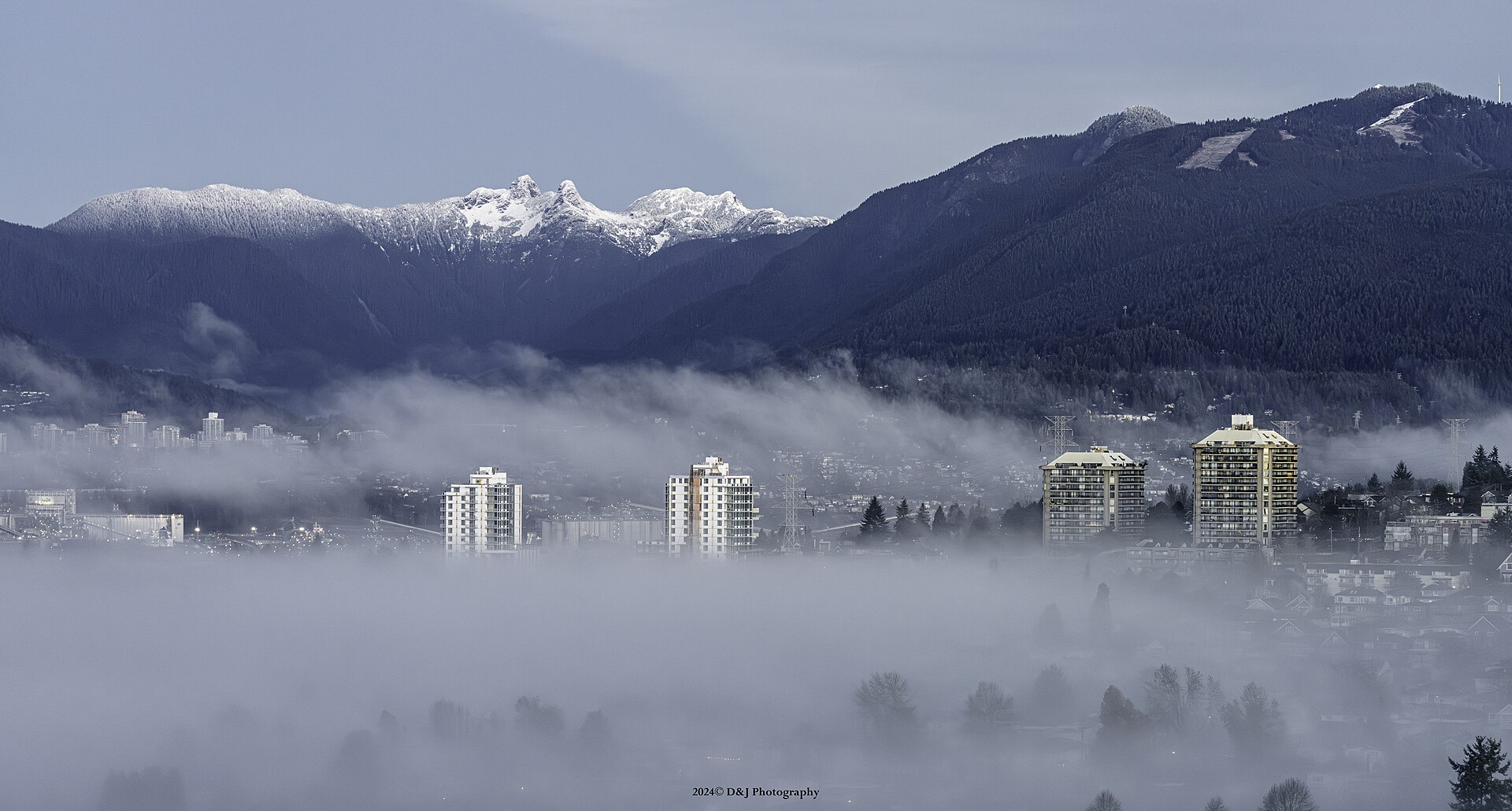
- North Shore (North and West Vancouver): much wetter, and cooler at higher elevations; snow is common on the mountains in winter.
- Fraser Valley (Langley, Abbotsford, Chilliwack): warmer in summer and colder in winter than the coast, with occasional strong outflow winds and cold snaps in winter.
What to pack for Vancouver weather
- Year-round: a waterproof jacket with a hood, layers you can add or remove, and comfortable walking shoes that can handle wet pavement.
- October to April: a warm, waterproof jacket, a sweater or fleece, waterproof footwear and a compact umbrella.
- May to September: T-shirts and shorts for the day, a light jacket or sweater for cool evenings by the water, sunscreen and sunglasses.
- Mountain trips: extra warm layers; temperatures on Grouse, Cypress or in Whistler can be much colder than in the city.
When is the best time to visit Vancouver for weather?
- For sunshine and outdoor activities: July to early September.
- For blossoms and lower prices: April and May.
- For mild weather with fewer crowds: mid-September to early October.
- For skiing near the city: December to March.
- For the lowest prices: November to February, if you do not mind rain.
Travelling on a budget? See our budget travel guide to Vancouver for cheap places to stay and free things to do in every season.
Frequently asked questions
What is the weather like in Vancouver?
Vancouver has a mild oceanic climate: cool, wet winters with little snow and warm, dry summers. Average highs range from about 7°C in January to about 22°C in July and August.
What is the rainiest month in Vancouver?
November is usually the wettest month, followed by December and January.
What is the driest month in Vancouver?
July is typically the driest month, with August close behind.
Does Vancouver get snow?
Only a little at sea level, usually on a handful of days each winter, and it rarely lasts. The nearby North Shore mountains get plenty of snow for skiing.
What is the best month to visit Vancouver?
For weather, July, August and September are best. April and May are a good compromise with blossoms, mild temperatures and lower prices.
How cold does Vancouver get in winter?
Average winter lows are around 1°C, and daytime highs are usually 5–8°C. Short cold snaps below freezing happen some winters.
About this guide
Updated November 2026. Monthly figures are rounded averages based on Environment Canada climate normals for Vancouver International Airport; weather in any given year can differ. For current conditions and warnings, check Environment and Climate Change Canada’s forecast for Vancouver.
More local guides
- Budget Travel Guide to Vancouver: Cheap Stays, Transit & Free Things to Do (2026)
- Thrift & Vintage Shops in Metro Vancouver (2026 Guide)
- Vancouver in January: Weather, Events and Things to Do
- Things to Do in Vancouver Today
- Vancouver in February: Weather, Events and Things to Do
- Parks in Port Coquitlam: Every Public Park