Vancouver has a reputation as one of Canada’s most expensive cities, but a budget-friendly trip is very doable. The city’s best sights are its mountains, beaches, parks and neighbourhoods, and most of them are free. With a cheap place to sleep, a Compass Card and a few local tricks, you can see a lot of Vancouver without spending much.
This guide covers where to stay for less (with links to every listing on Vancouver Page), how to get around cheaply, free and low-cost things to do, where to eat and buy souvenirs on a budget, and the money-saving habits locals use. Prices are in Canadian dollars and were checked in November 2026; always confirm before you go.
Budget Vancouver at a glance
- Cheapest beds: hostel dorms and pod hotels.
- Best value private rooms: motels and hotels outside downtown near SkyTrain, in Burnaby, Coquitlam, Richmond, Surrey and the North Shore.
- Getting around: a Compass Card or tap-to-pay on transit, plus walking and biking.
- Free highlights: Stanley Park and the Seawall, beaches, Lynn Canyon, Granville Island, Gastown, Chinatown and Queen Elizabeth Park.
- Cheapest time to visit: October to April, outside holidays and big events.
Where to stay cheaply in Vancouver
Accommodation is usually the biggest cost of a Vancouver trip. Downtown hotels are expensive, especially from June to September, so budget travellers either sleep in a hostel or pod hotel close to the action, or stay further out in a motel or chain hotel near SkyTrain and ride in.
Hostels (from the cheapest beds in the city)
- HI Vancouver Downtown: Dorm beds and private rooms a short walk from Davie Street and English Bay.
- HI Vancouver Jericho Beach: A seasonal beachfront hostel on the West Side, steps from Jericho Beach.
- Samesun Vancouver: A social hostel on the Granville Street entertainment strip.
- The Cambie Hostel – Gastown: Budget beds above a classic Gastown pub.
- Cambie Seymour Hostel: A downtown Cambie hostel close to the stadiums.
- St Clair Hostel Vancouver: A small, central hostel in a heritage building downtown.
Pod and capsule hotels
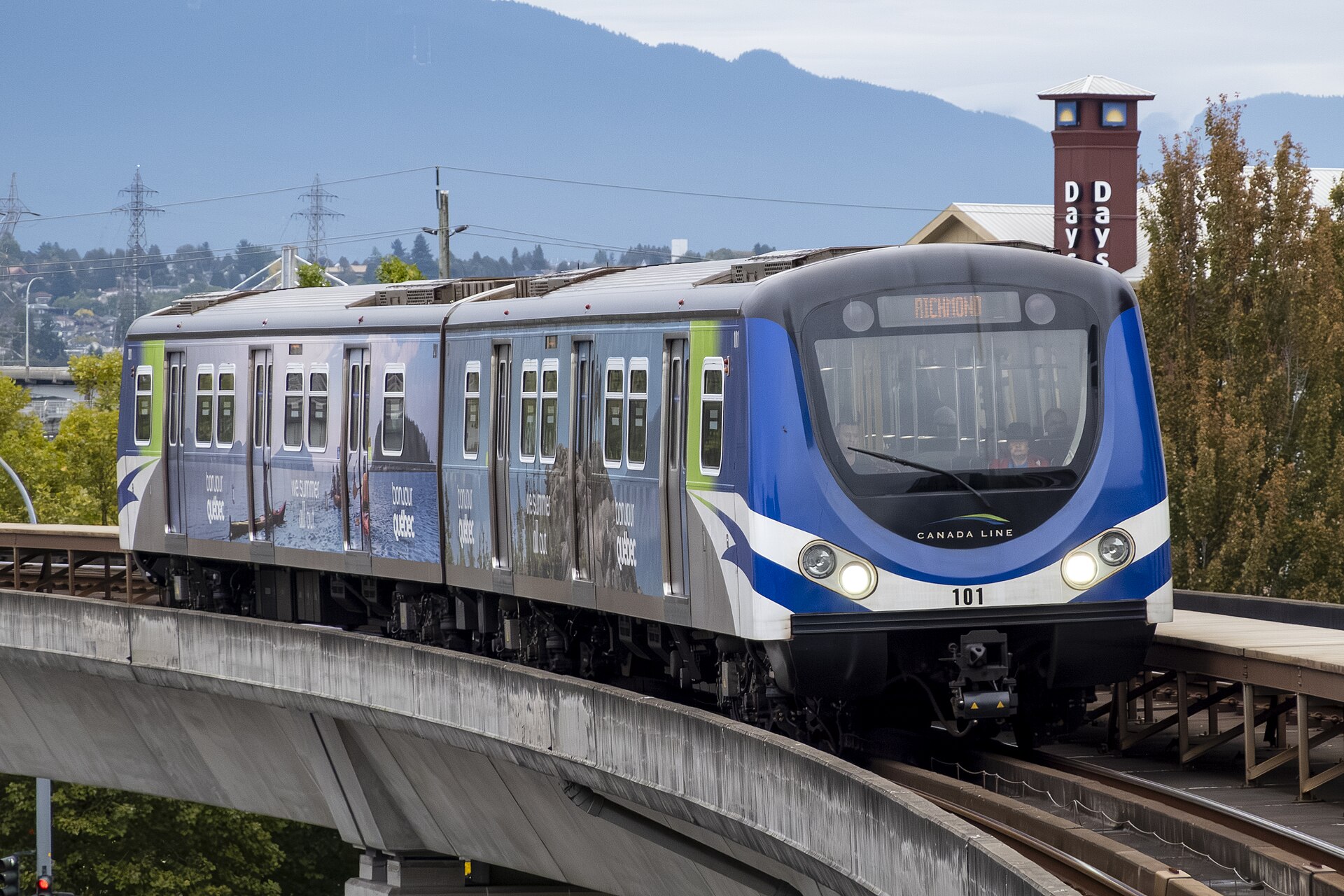
- Panda Pod Hotel: Private sleeping pods in Richmond on the Canada Line, about 25 minutes from downtown and minutes from YVR.
Budget hotels in Vancouver
- Budget Inn Patricia Hotel: Some of the lowest private-room rates in central Vancouver, on East Hastings near Gastown and Chinatown.
- Sunset Inn & Suites: West End suites with kitchens, free parking and breakfast; cook your own meals to save more.
- Conferences & Accommodation at UBC: Campus rooms and suites, with extra residence rooms in summer.
- Atrium Hotel Vancouver: Good value in East Vancouver near the PNE.
Motels and inns with free parking
- 2400 Motel: A 1940s-era motor court on Kingsway with free parking at your door.
- Travelodge by Wyndham Vancouver Lions Gate: A North Shore motor inn by the Lions Gate Bridge with a seasonal pool.
- Grouse Inn North Vancouver: Family-friendly motor inn near Capilano Mall.
- Happy Day Inn: A small budget motel in Burnaby.
- Linda Vista Motel: Budget motel on King George Highway in Surrey.
- Motel 6 Surrey, BC: No-frills Motel 6 in Newton, Surrey.
- Westward Inn & Suites: Langley motel with free parking, laundry and BBQs.
- Travelodge by Wyndham Langley: Roadside motel with free breakfast.
Good-value chain hotels outside downtown
- SureStay Plus by Best Western Coquitlam: Free breakfast and parking, a 10-minute walk from Braid SkyTrain.
- Days Inn by Wyndham Surrey: Budget hotel near Surrey City Centre and SkyTrain.
- Days Inn by Wyndham Vancouver Airport: Inexpensive beds close to YVR and the Canada Line.
- Red Roof PLUS+ Vancouver Airport: Good-value airport-area hotel.
Tips for saving on accommodation
- Stay near a SkyTrain station. A cheaper room in Burnaby, Richmond, Coquitlam or Surrey plus a transit fare often beats a downtown hotel by a wide margin.
- Pick a room with a kitchen. Suites with kitchens, like many West End and extended-stay hotels, let you cut food costs.
- Look for free breakfast and free parking. Many suburban chain hotels include both, which downtown hotels rarely do.
- Travel in the shoulder or low season. Rates drop sharply from October to April, except around holidays and big events.
- Watch for event dates. Concerts, conventions, cruise-ship season and major sports events push prices up across the region.
Browse more options in our thrift and vintage shopping guide for cheap finds once you arrive.
Getting around Vancouver cheaply
Public transit (TransLink)
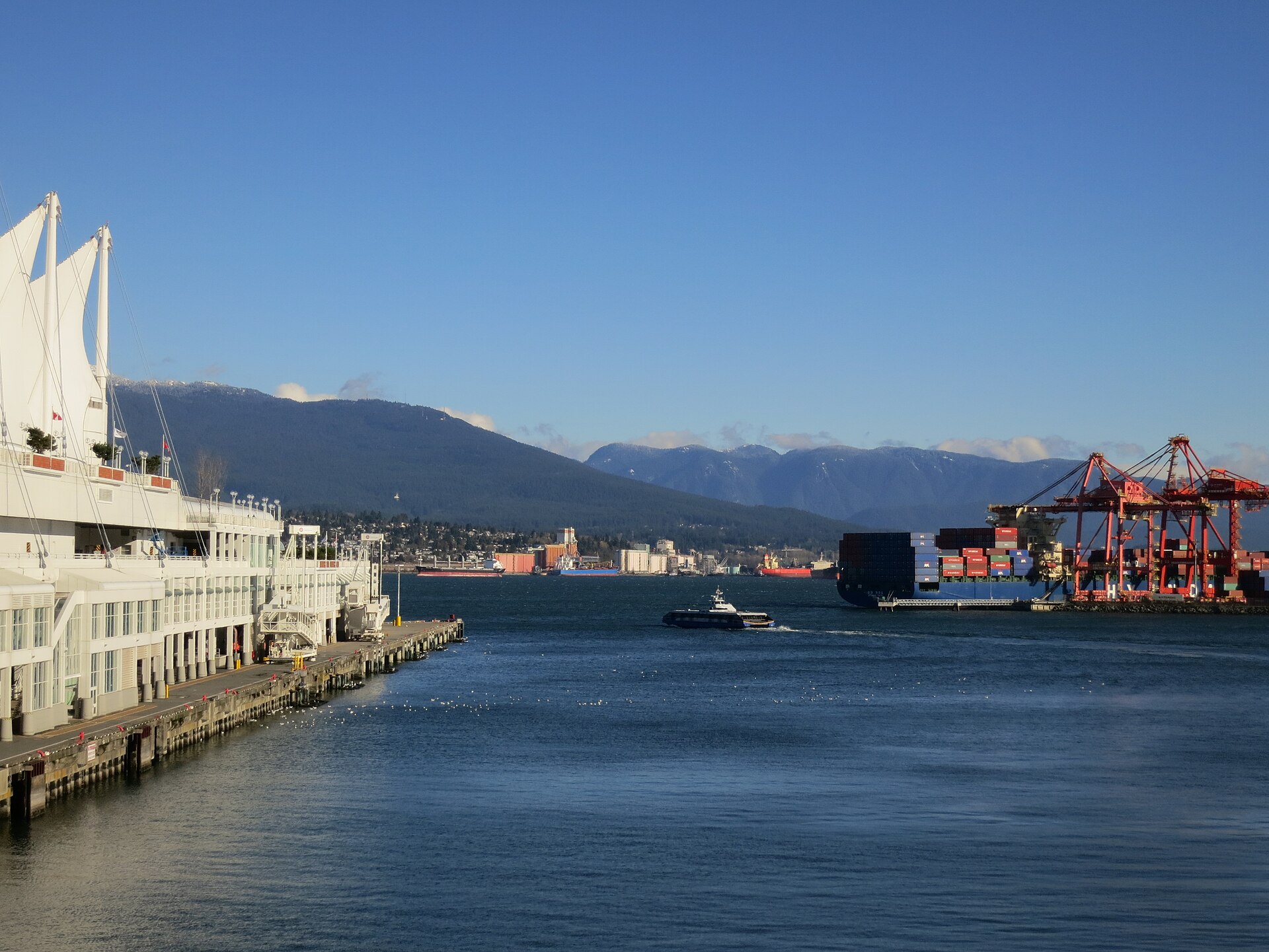
Vancouver’s buses, SkyTrain and SeaBus are run by TransLink and share one fare system. Since July 1, 2026, an adult one-zone trip costs $2.85 with a Compass Card (stored value) or $3.50 cash or tap-to-pay, and an adult DayPass is $12.55 for unlimited travel across all zones for a day. Fares rise every July 1, so check translink.ca before you travel.
- Get a Compass Card. It costs a refundable deposit and gives you the cheapest single fares. Buy one at any SkyTrain station vending machine or London Drugs.
- Buses are always one zone. No matter how far you ride, a bus trip costs a one-zone fare. SkyTrain and SeaBus fares depend on how many zones you cross, except on weekday evenings and weekends, when all trips are charged as one zone.
- Fares include transfers. One fare covers transfers between bus, SkyTrain and SeaBus for 90 minutes.
- Buy a DayPass on busy days. If you will take four or five trips, or cross zones, a DayPass usually pays for itself.
- Ride the SeaBus for a cheap harbour cruise. The 12-minute crossing to Lonsdale Quay has some of the best skyline and mountain views in the city for the price of a transit fare.
- Airport trips: the Canada Line runs from YVR to downtown in about 25 minutes. Trips that start at the airport stations add a YVR AddFare, but it is still far cheaper than a taxi.
- Kids under 13 ride free. Children 12 and under travel free on TransLink.
Walking and biking
Downtown, the West End, Gastown, Chinatown, Yaletown and the Seawall are very walkable. Vancouver also has an excellent network of protected bike lanes and the 28-km Seawall; the city’s Mobi bike share has stations across central Vancouver for short rides.
Skip the rental car
Downtown parking is expensive and most sights are reachable by transit. If you do drive, stay somewhere with free parking and leave the car there for city days.
Free things to do in Vancouver
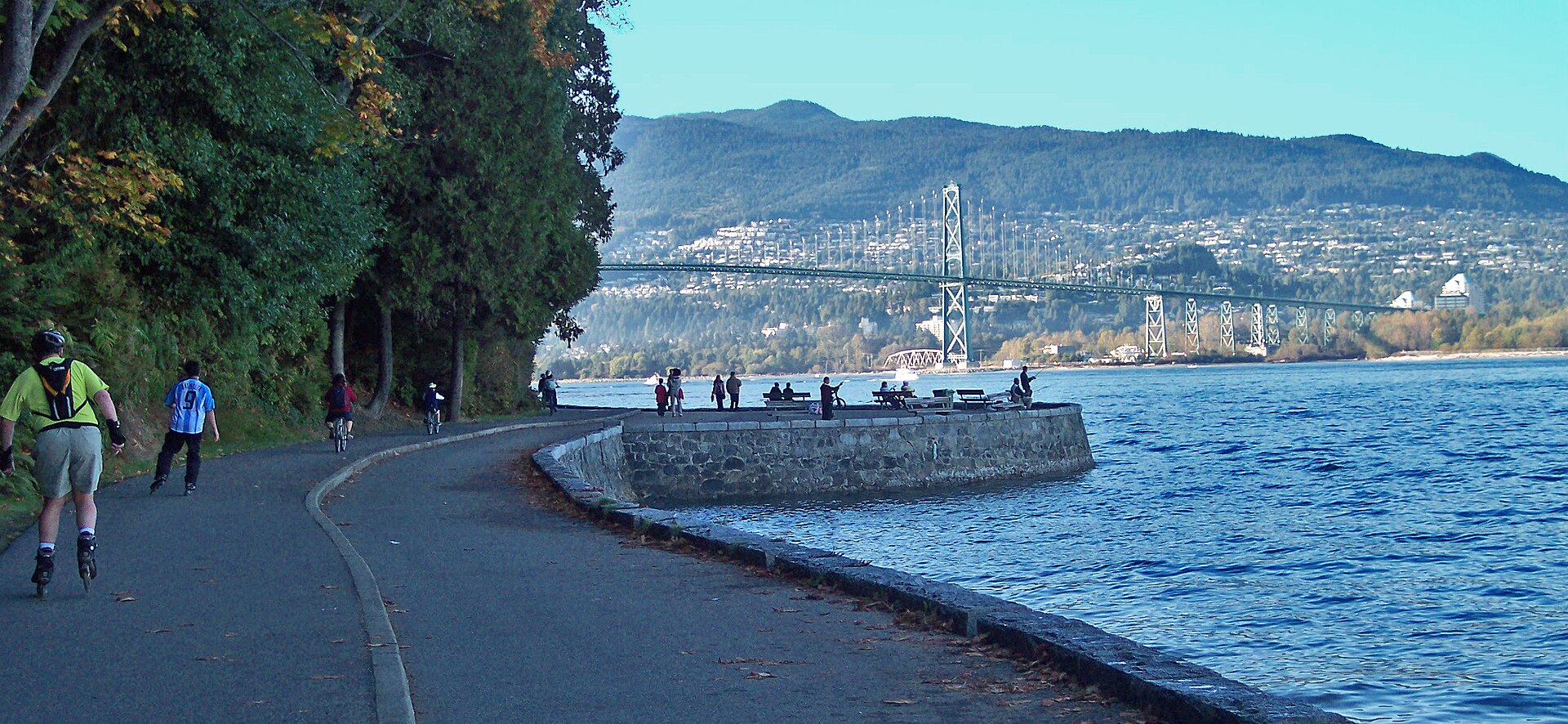
- Stanley Park and the Seawall: walk or bike around the park’s 9-km seawall, see the totem poles at Brockton Point, Siwash Rock and Prospect Point.
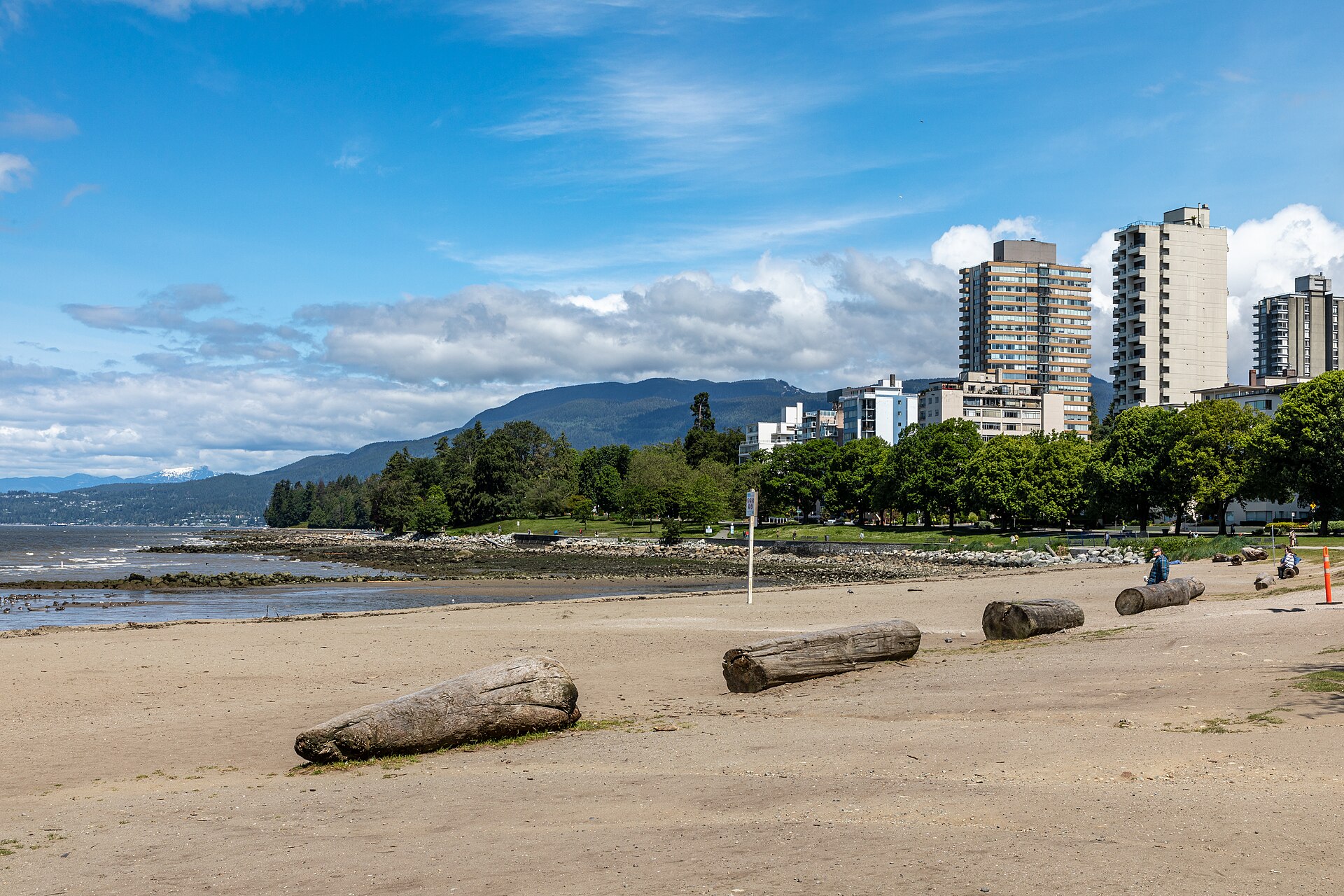
- Beaches: English Bay, Sunset Beach, Kitsilano, Jericho, Locarno and Spanish Banks are all free, with Spanish Banks especially good at low tide and sunset.
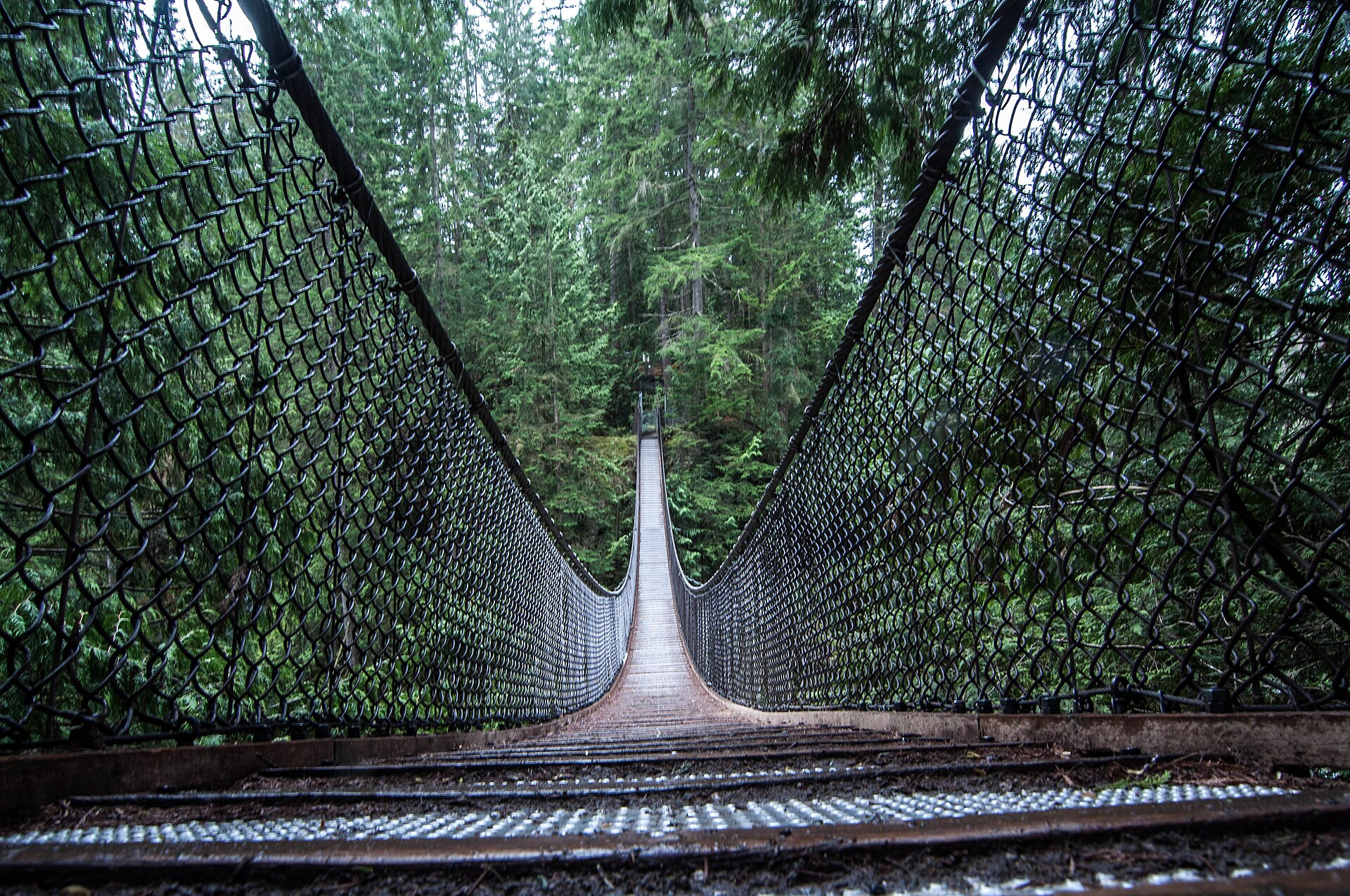
- Lynn Canyon Park: North Vancouver’s free suspension bridge, with forest trails and the 30 Foot Pool.
- Capilano River Regional Park and Cleveland Dam: free trails, salmon hatchery and views of the Lions.
- Queen Elizabeth Park: the city’s highest point, with skyline views and the free Quarry Garden.
- Granville Island: browse the Public Market, artist studios and buskers; entry is free.
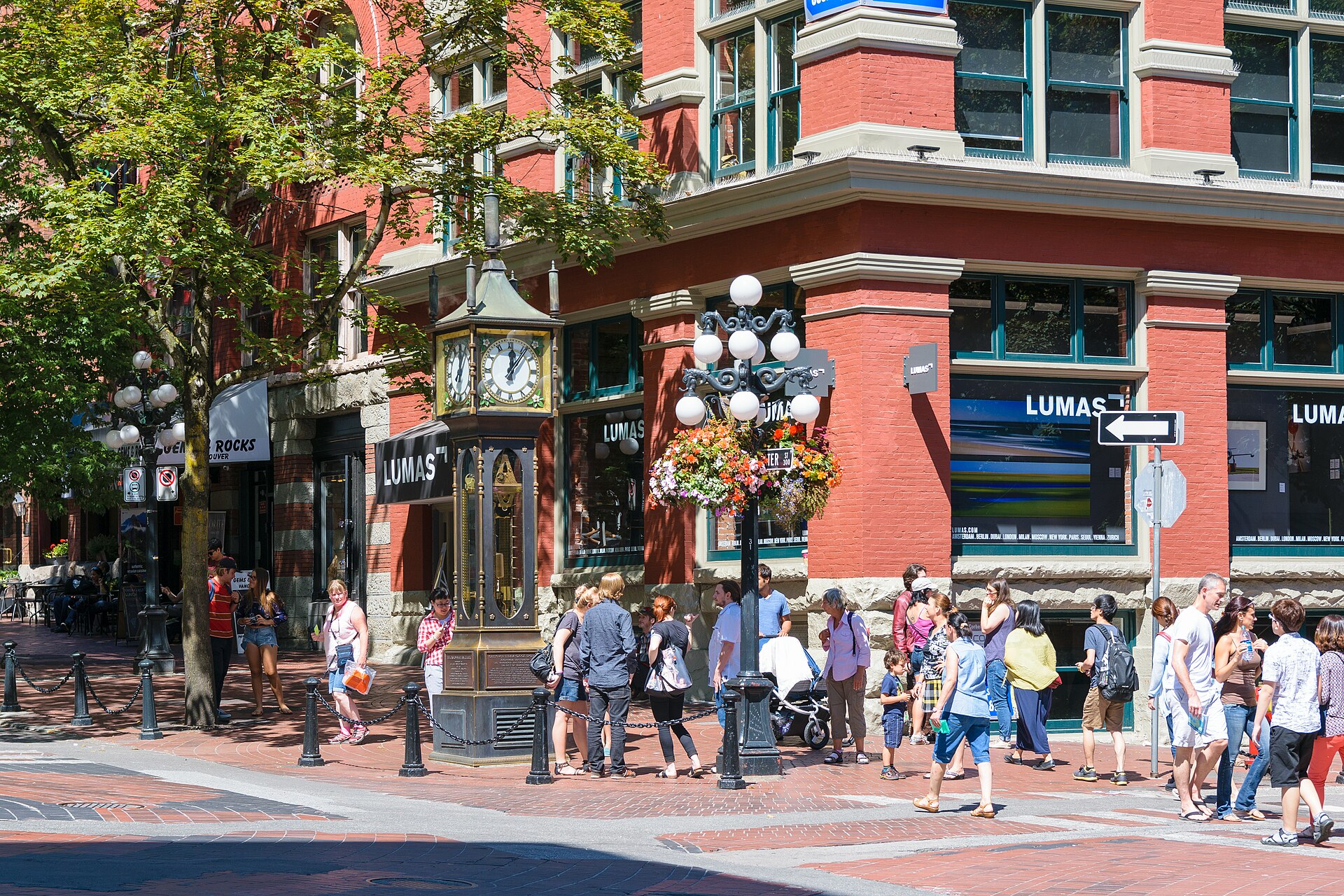
- Gastown: cobblestone streets, the Steam Clock and heritage architecture.
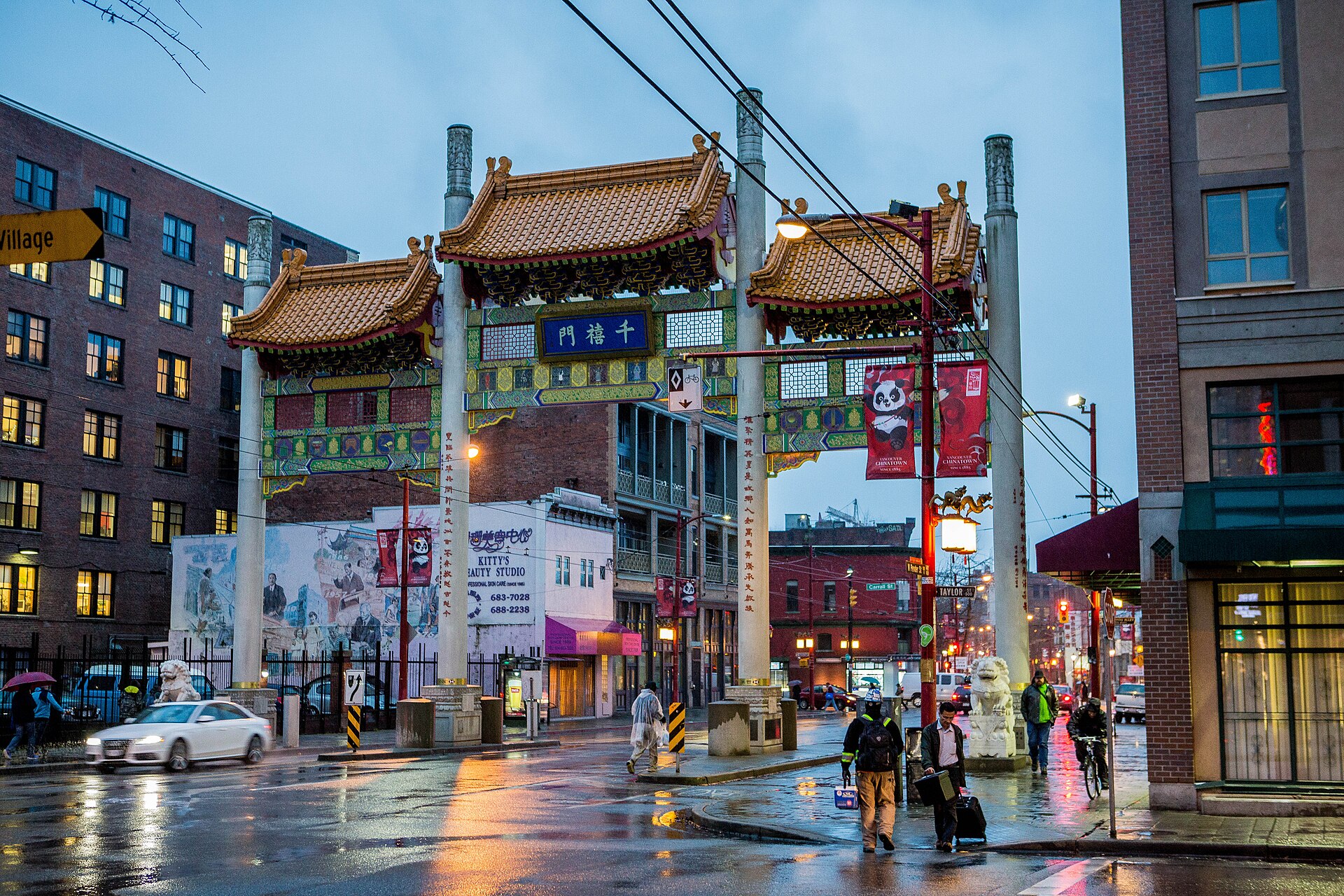
- Chinatown: historic streets, bakeries and the free public section of Dr. Sun Yat-Sen Park.
- Hikes: Quarry Rock in Deep Cove, Lighthouse Park in West Vancouver and Pacific Spirit Regional Park at UBC are all free.
- The Grouse Grind: hiking up Grouse Mountain is free; you pay only if you take the gondola down.
- Free festivals: Lunar New Year, the Vancouver Pride Parade, the Celebration of Light fireworks over English Bay and summer street festivals are free to watch.
- Steveston Village: watch the fishing boats and walk the dike trail in Richmond.
Cheap (but not free) things to do
- By-donation and discounted museum evenings: several museums and galleries, including the Vancouver Art Gallery, have offered by-donation or discounted evenings; check their websites for current days.
- Richmond Night Market (seasonal): a small entry fee buys a night of food stalls and people-watching.
- Public pools and community centres: City of Vancouver drop-in rates are inexpensive, and some outdoor pools and the Kitsilano Pool are open in summer.
- Tips-based walking tours: pay what you think the tour was worth.
Where to eat cheaply
- Food courts and Asian malls: Richmond’s Aberdeen Centre and Yaohan Centre, Metrotown in Burnaby and downtown food courts serve big, cheap meals.
- Chinatown and East Van bakeries: buns, pastries and dim sum for a few dollars.
- Pizza by the slice and food trucks: common downtown, especially at lunch.
- Happy hours: many restaurants discount food and drinks in the late afternoon.
- Grocery stores: T&T Supermarket, No Frills and Save-On-Foods have prepared foods and picnic supplies; picnic at the beach or in Stanley Park.
- Tap water: Vancouver’s tap water is excellent, so bring a refillable bottle.
Where to buy cheap souvenirs
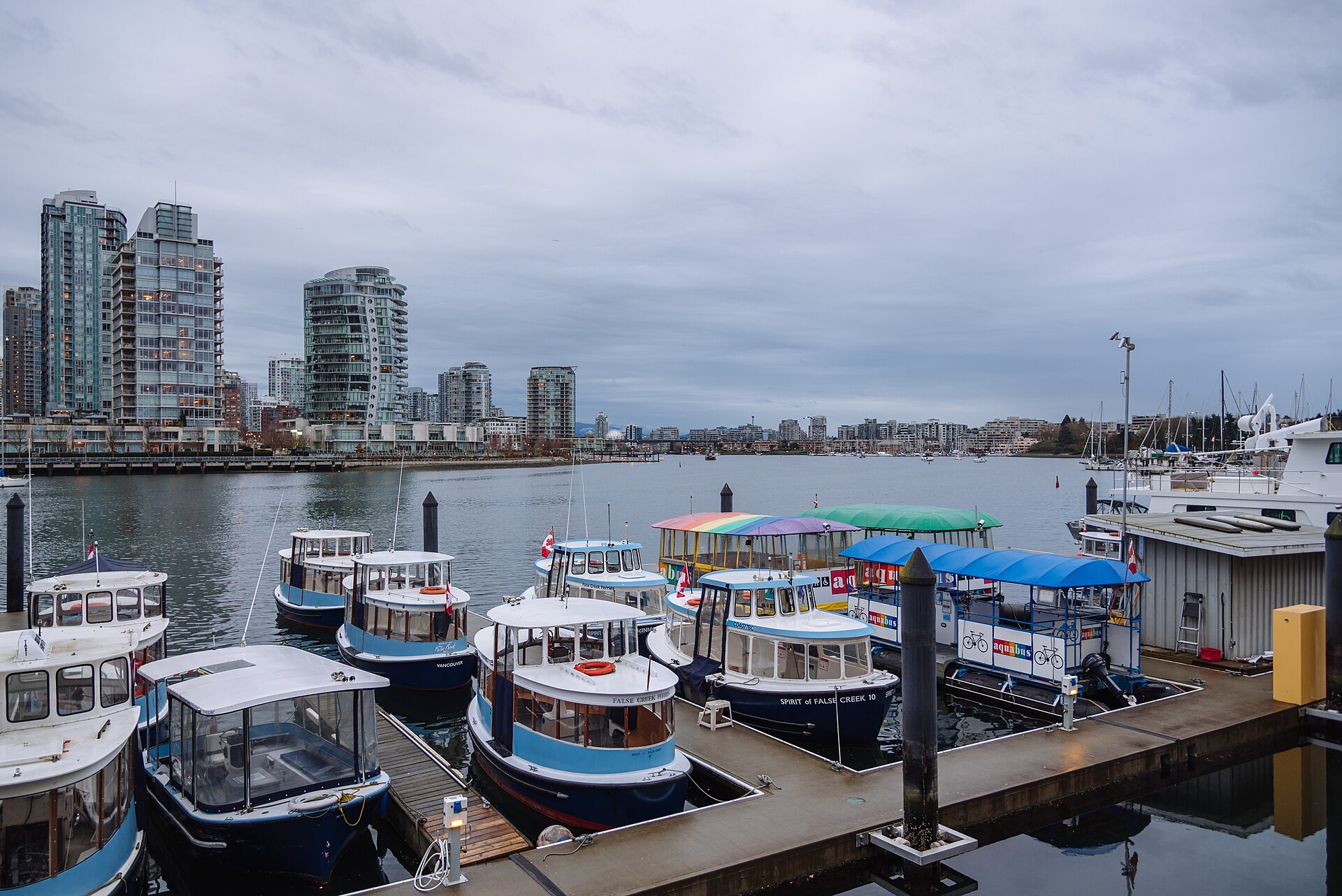
- Granville Island Public Market and Net Loft: local crafts, smoked salmon and maple treats at a range of prices.
- Grocery and drug stores: maple syrup, maple cookies, chocolate bars and smoked salmon gift packs are often cheaper at supermarkets and London Drugs than at tourist shops.
- Chinatown shops: inexpensive gifts, tea and kitchenware.
- Richmond Night Market and Asian malls: fun, low-cost trinkets and snacks.
- Thrift and vintage shops: one-of-a-kind finds; see our thrift and vintage guide.
- Indigenous art: if you buy Indigenous art, spend a little more on authentic pieces from Indigenous-owned galleries and artists; avoid mass-produced imitations.
More money-saving tips
- Visit in the shoulder season (April–May or late September–October) for lower prices and fewer crowds.
- Bring layers and a rain jacket so the weather never pushes you into an expensive indoor plan; see our Vancouver weather and climate guide.
- Use free Wi-Fi at the Vancouver Public Library, SkyTrain stations and many cafes.
- Remember taxes and tips: listed prices usually exclude GST and PST, and restaurant tips of 15–20% are standard.
- Compare attraction passes only if you will visit several paid attractions; otherwise focus on the free ones.
Frequently asked questions
Is Vancouver expensive to visit?
Accommodation and dining can be expensive, especially downtown in summer, but many of the best sights are free, and transit, hostels and suburban motels keep costs down.
What is the cheapest way to get from YVR to downtown Vancouver?
The Canada Line SkyTrain. It takes about 25 minutes; a regular transit fare applies plus a YVR AddFare for trips starting at the airport stations.
Where is the cheapest place to stay in Vancouver?
Hostel dorms and pod hotels are the cheapest beds. For private rooms, motels and hotels in Burnaby, Coquitlam, Richmond, Surrey and North Vancouver are usually cheaper than downtown.
What can I do for free in Vancouver?
Walk the Stanley Park Seawall, visit the beaches, cross the Lynn Canyon Suspension Bridge, explore Granville Island, Gastown and Chinatown, and hike Quarry Rock or Lighthouse Park.
When is the cheapest time to visit Vancouver?
Usually October to April, excluding holidays and major events, when hotel prices drop.
About this guide
Updated November 2026. Transit fares are from TransLink’s July 1, 2026 fare schedule. Prices, hours and policies change, so confirm with each business before you go.
More local guides
- Vancouver in January: Weather, Events and Things to Do
- Vancouver Weather & Climate Guide: Month by Month (2026)
- Vancouver in February: Weather, Events and Things to Do
- Thrift & Vintage Shops in Metro Vancouver (2026 Guide)
- Vancouver in March: Weather, Events and Things to Do
- Things to Do in Vancouver Today