City guide · Tri-Cities & Northeast
Coquitlam city guide
Lakes, forest trails and mountain views meet a SkyTrain-served city centre, Korean and Persian food, and francophone Maillardville.
01 At a glance
Welcome to Coquitlam
Coquitlam is the largest of the Tri-Cities, running from the Fraser River up to the mountain slopes of Burke Mountain and Westwood Plateau. It suits families, hikers and food lovers who want lakes, forest parks and a growing transit-oriented downtown within a SkyTrain ride of Vancouver.
- Vibe
- Outdoorsy, family-friendly, multicultural
- Best for
- Parks, hikes and Korean food
- Getting around
- Millennium Line SkyTrain & West Coast Express
Coquitlam at a glance
Coquitlam is the largest of the Tri-Cities, stretching from the Fraser River in the south to the forested slopes of Burke Mountain, Eagle Ridge and Coquitlam Mountain in the north. It sits roughly 10 to 15 kilometres east of Vancouver, where the Coquitlam River meets the Fraser, and shares borders with Burnaby, New Westminster, Port Moody and Port Coquitlam.
The city has three broad zones. In the south, Maillardville is Coquitlam’s oldest neighbourhood and the historic heart of francophone life in the region. In the middle, the City Centre around Coquitlam Centre, Lafarge Lake and Coquitlam Central Station has grown into a high-rise downtown served by SkyTrain. To the north and northeast, newer hillside neighbourhoods on Westwood Plateau and Burke Mountain sit right against the mountains, with trailheads at the end of the street.
About 149,000 people lived in Coquitlam at the 2021 Census. It is a family city with a strong Korean, Chinese and Iranian presence, along with long-established Francophone and European communities. For visitors, Coquitlam suits hikers, families, anyone who enjoys Korean and Persian food, and travellers who want parks and lakes within a SkyTrain ride of Vancouver.
A short history
Coquitlam lies within the traditional and ancestral lands of the kʷikʷəƛ̓əm (Kwikwetlem) First Nation, including areas historically shared with the q̓ic̓əy̓ (Katzie) and other Coast Salish peoples. Archaeology shows people have lived in the area for at least 9,000 years. The city takes its name from the Nation; kʷikʷəƛ̓əm is commonly translated as “red fish up the river,” a reference to the sockeye that once ran up the Coquitlam River. The kʷikʷəƛ̓əm still live on and care for these lands, and the Nation is working with BC Housing on the future of the Riverview lands.
The District of Coquitlam was incorporated on 25 July 1891. Two developments shaped its early years. The Fraser Mills lumber mill opened on the Fraser River in 1889, and in the early 1900s French Canadian workers recruited from Quebec settled near the mill. Their community, named Maillardville after Father Edmond Maillard, became the largest francophone centre west of Manitoba. A few years later, in 1913, the provincial government opened Riverview Hospital, a large mental health facility on the hillside above the Coquitlam River that dominated local employment for decades.
Fraser Mills merged into Coquitlam in 1971, and Coquitlam became a city on 18 June 1992. Suburban growth spread up Westwood Plateau and later Burke Mountain, and the arrival of the Millennium Line’s Evergreen Extension in December 2016 transformed the City Centre and Burquitlam into transit-oriented high-rise districts. Fraser Mills itself closed in 2001, and its riverside land is being redeveloped as a new neighbourhood.
Top things to do in Coquitlam
Parks and lakes
Town Centre Park is the city’s showpiece green space, wrapped around Lafarge Lake, a five-hectare lake created from a former gravel pit. A flat loop path circles the water, the lake is stocked with rainbow trout in spring and fall, and the Evergreen Cultural Centre sits on its southwest corner. The park also has sports fields, a playground and a stadium, and Lafarge Lake–Douglas SkyTrain station is a short walk away.
Mundy Park, in central Coquitlam, is one of the largest urban parks in Metro Vancouver: a big block of second-growth forest with two small lakes and wide, shaded trails that are pleasant in any weather. Colony Farm Regional Park straddles the border with Port Coquitlam along the Coquitlam River, with open meadows, community gardens and flat trails rich in birdlife. In the northeast, Minnekhada Regional Park offers marsh views, a historic lodge and short climbs to rocky knolls above the Pitt River floodplain.
Hiking and outdoor challenges
- Coquitlam Crunch: a steep, popular fitness trail and staircase climbing a hydro right-of-way from near Lafarge Lake–Douglas Station up towards Westwood Plateau. Locals use it as a regular workout.
- Burke Mountain: a network of forest trails and old logging roads on the city’s northern edge, used by hikers and mountain bikers. Trails here are rugged; go prepared.
- Coquitlam River trails: riverside paths link Colony Farm with neighbourhoods to the north, and connect with Port Coquitlam’s Traboulay PoCo Trail.
Culture and heritage
The Evergreen Cultural Centre beside Lafarge Lake is the City Centre’s main arts venue, with a 264-seat theatre and a public gallery. In Maillardville, Place des Arts has offered art, music and dance programs since 1972, and the neighbourhood’s heritage church, Mackin Park and French street names keep its francophone story visible. The grounds of the former Riverview Hospital are known for their mature trees, and their future is being planned with the kʷikʷəƛ̓əm.
Shopping
Coquitlam Centre, next to Lincoln and Coquitlam Central stations, is the main regional mall. Burquitlam and the stretch of North Road on the Burnaby border are known for Korean grocers and shops, and Austin Avenue and Lougheed Highway have a mix of everyday retail and specialty grocers.
Family fun
Families do well here. Combine a loop of Lafarge Lake with the playground and splash features in Town Centre Park, explore the trails at Mundy Park, or visit Colony Farm to look for herons and hawks. In winter, the free Lights at Lafarge display is a favourite evening outing.
Food and drink
Coquitlam’s food scene reflects who lives here. The North Road corridor around Lougheed Town Centre and Burquitlam stations is one of the region’s main hubs for Korean food, with barbecue, fried chicken, soups, bakeries and late-night spots packed into strip malls on both sides of the Burnaby border. Coquitlam also has a strong concentration of Persian restaurants, bakeries and grocers, particularly in the City Centre and along Lougheed Highway and Austin Avenue.
The City Centre around Coquitlam Centre, Pinetree Way and Glen Drive has the widest range of chain and independent restaurants, including Chinese, Japanese and Vietnamese options and plenty of bubble tea. Austin Heights, along Austin Avenue, has a more neighbourhood feel with cafés and family-run spots. In Maillardville, Brunette Avenue and Lougheed are slowly gaining new places to eat as redevelopment continues. Coquitlam’s craft beer scene is smaller than neighbouring Port Moody’s, which is a short SkyTrain hop away.
Where to stay
Coquitlam has fewer hotels than Vancouver or Richmond, and most visitors stay here to be near family, sports events or the mountains. The best bases are:
- City Centre: close to Coquitlam Centre, Lafarge Lake and three SkyTrain stations, with restaurants within walking distance and the West Coast Express at Coquitlam Central on weekdays.
- Lougheed Highway and United Boulevard corridors: hotels with easy access to Highway 1 and the Port Mann Bridge, handy if you are driving on to the Fraser Valley.
- Burquitlam: a growing transit hub on the Millennium Line, convenient for Simon Fraser University on nearby Burnaby Mountain and for the Korean food strip on North Road.
Getting around
The Millennium Line’s Evergreen Extension, opened in December 2016, gives Coquitlam four SkyTrain stations: Burquitlam, Coquitlam Central, Lincoln and Lafarge Lake–Douglas. The line runs west through Port Moody to Lougheed Town Centre in Burnaby and on to VCC–Clark in Vancouver, with transfers to the Expo Line at Lougheed Town Centre, Production Way–University or Commercial–Broadway for downtown.
Coquitlam Central Station is the main hub. It is a stop on the West Coast Express commuter train, which runs five trains each way on weekdays only: westbound to Waterfront Station in the morning (about 30 minutes) and eastbound towards Mission in the late afternoon and evening. It is also the western end of the R3 Lougheed Hwy RapidBus, which runs east through Port Coquitlam and Pitt Meadows to Haney Place in Maple Ridge. Many local buses start here, including the seasonal routes to Sasamat Lake and Buntzen Lake.
By car, the Trans-Canada Highway (Highway 1) crosses the south of the city to the Port Mann Bridge, and Lougheed Highway (Highway 7) and the Barnet Highway connect Coquitlam with Burnaby and Port Moody. Traffic on Highway 1 and the Port Mann can be heavy at peak times. Cycling infrastructure is improving, with the Evergreen Line corridor and riverside trails providing useful routes, though the hills on Westwood Plateau and Burke Mountain are a workout.
Seasons and events
Coquitlam has the region’s mild, oceanic climate, but it gets more rain than Vancouver because moist air is pushed up against the mountains to the north. Higher neighbourhoods such as Westwood Plateau and Burke Mountain see snow more often than the valley floor. Summers are warm and dry, which is peak season for the lakes and trails.
- Festival du Bois (March): a celebration of French Canadian music, food and culture in Maillardville’s Mackin Park on the first full weekend of March. The 37th edition ran 6–8 March 2026.
- Lights at Lafarge (late fall to February): billed by the city as Metro Vancouver’s largest free outdoor winter lights display, with a 1.2-kilometre lit path around Lafarge Lake from 4 to 10 p.m. nightly. The 2026–27 season runs to the end of February 2027, with a kick-off event on 27 November 2026. Parking is limited, so the city recommends taking SkyTrain to Lafarge Lake–Douglas.
Living in Coquitlam
Housing in Coquitlam spans the full range. The City Centre and Burquitlam have filled with high-rise and mid-rise condos near SkyTrain, popular with first-time buyers, renters and downsizers. Westwood Plateau is an established hillside area of detached homes and townhouses around a golf course, while Burke Mountain is the city’s main growth area for newer single-family houses and townhomes. Maillardville and Austin Heights have older houses on larger lots, with townhouse and apartment redevelopment underway in places.
A quick guide to the main areas: Burquitlam, around the station of the same name, is the densest and most transit-focused; Austin Heights and Ranch Park are established, walkable pockets of older homes and local shops; Maillardville keeps its francophone roots and is seeing new townhouses and apartments; Westwood Plateau and Eagle Ridge offer hillside living with views; and Burke Mountain is the newest frontier, with young families, new schools and trailheads close by. Down by the Fraser, the former mill site at Fraser Mills is being rebuilt as a riverside community, so expect construction there for some years.
Public schools are run by School District 43 (Coquitlam), which also serves Port Coquitlam, Port Moody, Anmore and Belcarra and is known for its range of academies and French immersion programs. Douglas College’s David Lam Campus is in the City Centre, and Simon Fraser University is a short drive or bus ride away on Burnaby Mountain.
Coquitlam suits families who want parks and mountains close by, commuters who value SkyTrain and the West Coast Express, and anyone drawn to its Korean and Persian communities. Practical notes: north-side neighbourhoods are hilly and sit at the wildland edge, so bear awareness and garbage rules matter; commutes by car via Highway 1 can be slow; and the City Centre is one of the most convenient car-light places to live outside Vancouver.
03 Don’t miss
Top things to do in Coquitlam
- 01
Town Centre Park & Lafarge Lake
Loop trail around a reclaimed lake in the heart of the City Centre.
- 02
Coquitlam Crunch
Steep stairs-and-trail workout up a hydro right-of-way, beloved by locals.
- 03
Mundy Park
Large urban forest with two small lakes and shaded walking trails.
- 04
Colony Farm Regional Park
Riverside meadows and flat trails on the Coquitlam River, great for birding.
- 05
Minnekhada Regional Park
Marshes, a heritage lodge and lookout knolls above the Pitt River floodplain.
- 06
Maillardville
Historic francophone neighbourhood and home of Festival du Bois.
- 07
North Road food strip
One of Metro Vancouver's main hubs for Korean food.
- 08
Lights at Lafarge
Free winter light display around Lafarge Lake, November to February.
04 Neighbourhoods
Explore Coquitlam neighbourhood by neighbourhood
- Southwest CoquitlamAustin HeightsA neighbourhood high street on Austin Avenue, with independent shops, global food and Blue…
- City Centre & NortheastBurke MountainCoquitlam's newest frontier: young families, forest trails and a village centre taking shape at…
- Southwest CoquitlamBurquitlamWhere Burnaby meets Coquitlam: a fast-changing SkyTrain neighbourhood known for Korean food along North…
- City Centre & NortheastCoquitlam City CentreCoquitlam's downtown: a mall, a lake, a college and three SkyTrain stations, all within…
- Southwest CoquitlamMaillardvilleCoquitlam's historic francophone heart, founded by Fraser Mills workers in 1909 and still celebrated…
- City Centre & NortheastWestwood PlateauA planned hillside community above the city centre, known for golf, view parks and…
On the map
Around Coquitlam
Four Millennium Line SkyTrain stations serve Coquitlam, from Burquitlam to Lafarge Lake–Douglas, and Coquitlam Central is a stop on the weekday West Coast Express and the start of the R3 RapidBus. Highway 1, Lougheed Highway and the Barnet Highway handle most car traffic.
 The Christmas ExpertsChristmas ShopView →
- Ayoub's Dried Fruits & Nuts – 2950 Glen Dr #150, Coquitlam, BCSnack FoodView →
- Singapore Hawker CoquitlamMalaysian RestaurantsView →
- Kosoo Korean BBQ CoquitlamKorean RestaurantsView →
- Accents@Home Coquitlam CentreFurniture StoreView →
- Hygge Design House in CoquitlamFurniture StoreView →
- Coquitlam CentreShopping & RetailView →
- Copa Cafe CoquitlamHong Kong Style CafesView →
- ATA Technical GroupConstruction & ContractorsView →
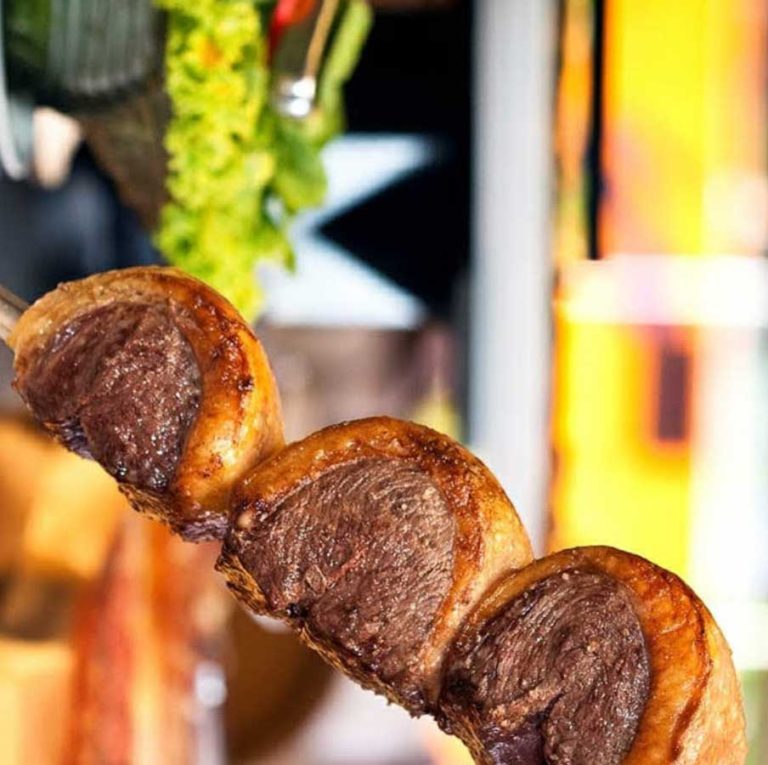
- Rio Brazilian Steakhouse CoquitlamBrazilian RestaurantView →
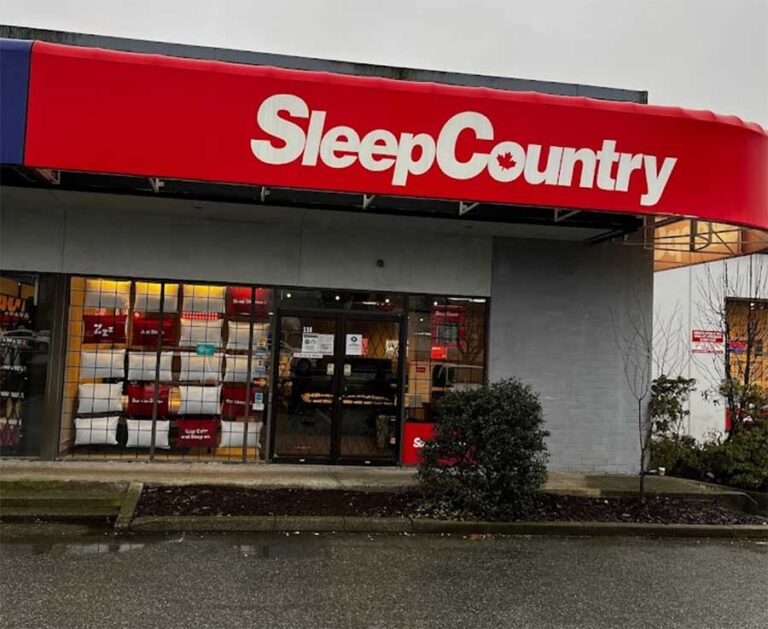
- Sleep Country - 2560 Barnet Hwy, CoquitlamFurniture StoreView →
- VI Reupholstery SofaHome DecorView →
- Sun Mongolian Grill Port CoquitlamBarbecue RestaurantsView →
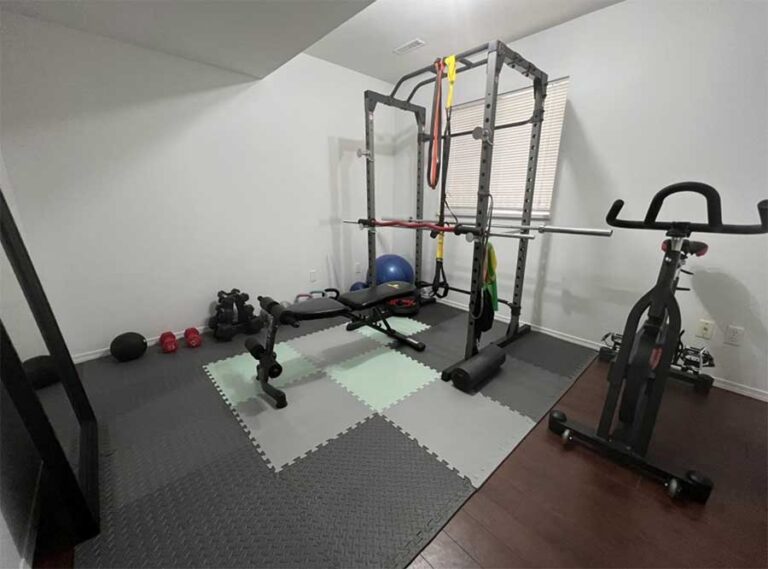
- Paragon FitnessGym and fitnessView →



Refresh & refuel
Where to eat & drink in Coquitlam
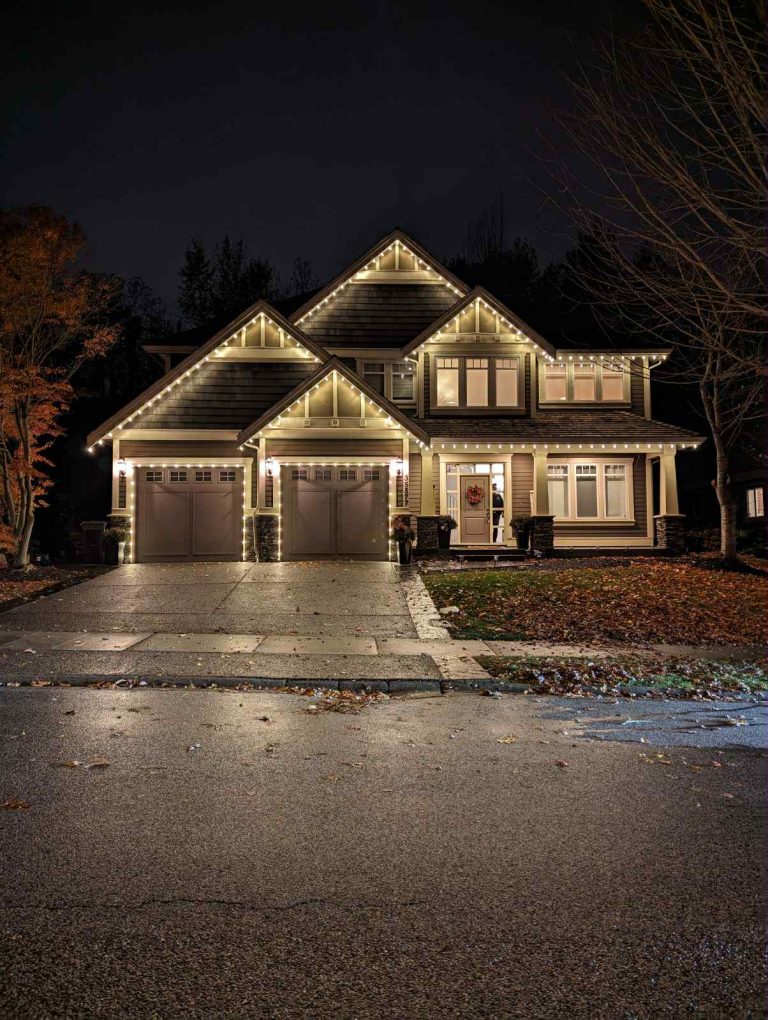
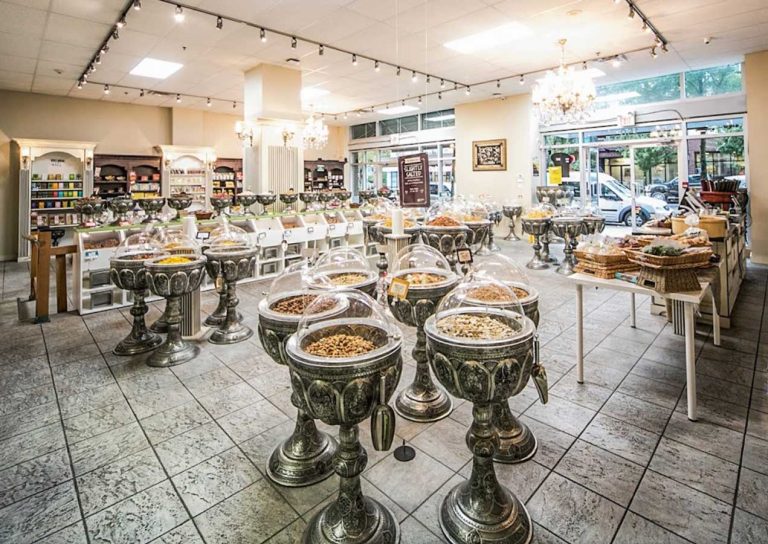
 0.5 kmAyoub's Dried Fruits & Nuts – 2950 Glen Dr #150, Coquitlam, BCSnack Food2950 Glen Dr #150, Coquitlam, BC V3B 0B5, Canada
- 1.6 kmRio Brazilian Steakhouse CoquitlamBrazilian Restaurant2729 Barnet Hwy, Coquitlam, BC V3E 1K9, Canada
- 0.5 kmSingapore Hawker CoquitlamMalaysian Restaurants120-1169 Pacific St, Coquitlam, BC V3B 0J1
- 0.6 kmKosoo Korean BBQ CoquitlamKorean Restaurants105-1123 Westwood St, Coquitlam, BC V3B 0M1
- 0.7 kmCopa Cafe CoquitlamHong Kong Style Cafes300-1175 Johnson Street, Coquitlam, BC V3B 7K1
- 2.5 kmSun Mongolian Grill Port CoquitlamBarbecue Restaurants103-2564 Shaughnessy St, Port Coquitlam, BC V3C 3G4
Own a business in Coquitlam?
Get discovered by locals and visitors planning their time in the city.
FAQ
Coquitlam: good to know
How do I get to Coquitlam from downtown Vancouver?
On weekdays at peak times the West Coast Express runs from Waterfront to Coquitlam Central in about 30 minutes. At other times take the Expo Line and change to the Millennium Line at Lougheed Town Centre or Production Way–University.
How far is Coquitlam from YVR?
The airport is roughly 40 kilometres away. Allow about an hour by car outside rush hour, or take the Canada Line and SkyTrain with transfers.
Is Coquitlam good for families?
Yes. It has large parks, lakes, playgrounds and well-regarded public schools in School District 43, plus easy access to trails and recreation centres.
What is the best time to visit Coquitlam?
Late spring to early fall is best for hiking, lakes and outdoor events. Visit in early March for Festival du Bois or between late November and February for Lights at Lafarge.
Is the Coquitlam Crunch hard?
It is a short but steep, sustained climb with many stairs, so it suits people with reasonable fitness. Bring water, go at your own pace and start from near Lafarge Lake–Douglas Station.
Which First Nation's territory is Coquitlam on?
Coquitlam is on the traditional and ancestral lands of the kʷikʷəƛ̓əm (Kwikwetlem) First Nation, including areas historically shared with the q̓ic̓əy̓ (Katzie) and other Coast Salish peoples.
Sources for the facts on this page
- Statistics Canada, 2021 Census of Population (via Tri-City News: New census data shows population increase for the Tri-Cities; land area via Wikipedia: Coquitlam)
- Daily Hive: Coquitlam elects its first new mayor in 18 years (18 October 2026)
- Global News: B.C. municipal election 2026 results (18 October 2026)
- City of Coquitlam: Guidelines for Indigenous Territorial Acknowledgement
- Wikipedia: Coquitlam; Lafarge Lake
- TransLink: West Coast Express schedule
- Wikipedia: RapidBus (TransLink); R3 Lougheed Hwy
- TransLink Buzzer: 40 transit-friendly summer destinations in Metro Vancouver (July 2026)
- Georgia Straight: Festival du Bois announces a 2026 edition
- City of Coquitlam: Lights at Lafarge
Keep exploring
Nearby city guides
- Tri-Cities & Northeast · 2.5 kmPort CoquitlamTerry Fox's hometown: a friendly river city ringed by a 25 km trail, a…
- Tri-Cities & Northeast · 2.9 kmPort MoodyA small city at the head of Burrard Inlet, with shoreline trails, paddling, railway…
- Tri-Cities & Northeast · 5.8 kmAnmoreA quiet, forested village above Port Moody and the gateway to Buntzen Lake's beaches,…
- Tri-Cities & Northeast · 10.2 kmPitt MeadowsDike trails, berry farms and marshland under big mountain skies, in a small city…
- Tri-Cities & Northeast · 10.3 kmBelcarraA tiny seaside village where Burrard Inlet meets Indian Arm, home to beaches, picnics…
- South of the Fraser · 11.2 kmSurreyBC's second-largest city: six town centres, big parks, Punjabi food, farm country and a…