
Advertisement
Description
Grouse Mountain, North Vancouver: The Complete Guide to The Peak of Vancouver
Just a 25-minute drive from downtown, Grouse Mountain rises 1,231 metres above Metro Vancouver and has earned its nickname, "The Peak of Vancouver," many times over. It's the North Shore's most accessible alpine playground — a single destination where you can hike a legendary trail in the morning, watch grizzly bears in the afternoon, and ski under the lights by evening. Whether you're a local looking for a weeknight workout or a visitor planning a Vancouver bucket-list day, this guide covers everything you need to know: how to get there, what to do in every season, the full story of the mountain's history, and — of course — the famous Grouse Grind.
Where Is Grouse Mountain and How Do You Get There?
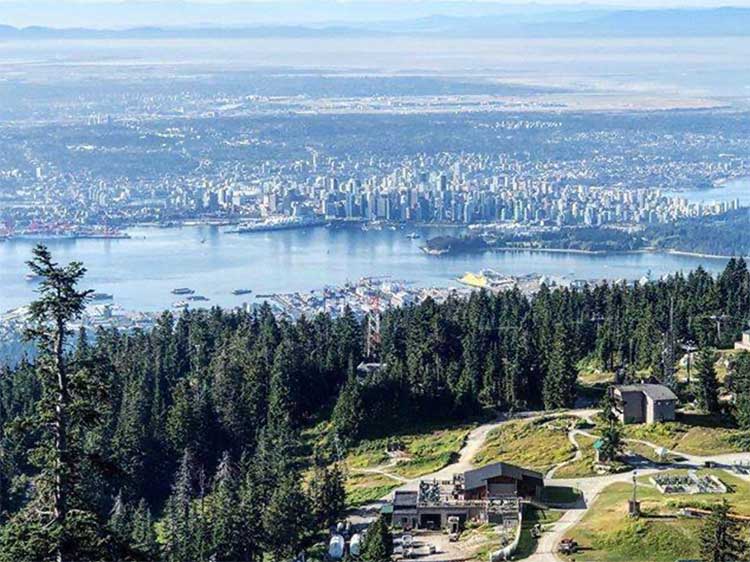
Grouse Mountain sits in the District of North Vancouver, part of the North Shore Mountains, overlooking the city, the Burrard Inlet, and the Strait of Georgia. Its base sits at roughly 290 metres above sea level, climbing to a peak of 1,231 metres — enough elevation change to give the mountain its own microclimate, distinct from the mild weather down in the city.
By Car
The drive from downtown Vancouver takes about 25 minutes via Capilano Road. Parking is available at the base, but on weekends and holidays it fills up quickly, so arriving early is worth it if you're driving.
By Transit
Take the SeaBus from Waterfront Station across the harbour to Lonsdale Quay — a short crossing with excellent skyline views in its own right — then catch Bus #236, which runs directly to the mountain's base.
By Free Shuttle
During the summer season, a free shuttle runs between Canada Place and Grouse Mountain roughly every 20 minutes, making it easy to spend anywhere from a few hours to a full day on the mountain without worrying about parking or driving.
Getting to the Top
Once at the base, guests ride either the historic Red Skyride tramway or the newer Blue Grouse Gondola to reach the mountaintop chalet and lodge, where most of the activities, dining, and viewpoints are located.
A Brief History of Grouse Mountain
Grouse Mountain's story stretches back to 1894, when the first recorded hikers reached its summit. According to local history, the group shot a blue (sooty) grouse along the way and named the peak in the bird's honour — a name that has stuck for over 130 years.
For the next few decades, reaching the mountain was a genuine expedition. There was no bridge across Burrard Inlet and no road to the base, so early hikers — including mountaineering pioneers Don and Phyllis Munday, who built the first log cabin on the mountain — had to slog through forest and snow for days just to get there. The Munday Alpine Snowshoe Park is named in their honour today.
Key milestones in Grouse Mountain's history include:
- 1929 – The Tyee Ski Club formed, now one of Canada's oldest ski clubs, and Winston Churchill dined at the original chalet while visiting Vancouver.
- 1949 – The mountain's first double chairlift opened, replacing what had been a multi-hour hike from the nearest bus stop.
- 1966 – The Grouse Mountain Skyride, an aerial tramway and the first of its kind in Canada, opened on December 15, dedicated by Premier W.A.C. Bennett.
- 1976 – A second, larger tramway (the Red Skyride) was added after the McLaughlin family took over ownership, making the mountain's tram system the largest in North America at the time.
- 1990 – The Theatre in the Sky opened, becoming the mountain's first year-round indoor attraction.
- 2001 – The Refuge for Endangered Wildlife launched, giving orphaned grizzly bears Grinder and Coola a permanent home.
- 2010 – Grouse Mountain stayed open 24 hours a day throughout the Vancouver Winter Olympics, and NBC's Todayshow broadcast live from the mountain.
- 2022–2024 – Construction began on a state-of-the-art gondola system with 27 eight-person cabins; the Blue Grouse Gondola officially opened to the public on December 12, 2024, following a $35 million investment.
- 2026 – Grouse Mountain celebrates its 100th anniversary with a summer-long series of events, including the "Peak of Canada" celebration tied to the FIFA World Cup™, running June 11 through July 19.
That century of development — from a multi-day wilderness trek to a five-and-a-half-minute gondola ride — is part of what makes Grouse Mountain such a distinctive Vancouver landmark today.
The Grouse Grind: Mother Nature's Stairmaster
No guide to Grouse Mountain is complete without the trail that made it famous across Canada. The Grouse Grind® is a punishing, popular, and deeply beloved hiking trail that climbs the face of the mountain in a nearly straight line — earning its nickname, "Mother Nature's Stairmaster."
Grouse Grind Trail Facts
| Detail | Figure |
|---|---|
| Length | 2.5 km (1.55 miles) |
| Elevation gain | 800 m (2,624 ft) |
| Base elevation | 290 m (951 ft) |
| Summit elevation | 1,090 m (3,576 ft) |
| Total stairs | 2,830 |
| Average grade | Approximately 56% (30°) |
| Average completion time | 1.5 to 2.5 hours |
Times vary enormously depending on fitness level — elite trail runners have completed the Grind in under 25 minutes, while most hikers comfortably take well over an hour.
How the Grouse Grind Works
The trail runs one direction only: up. Hiking down the Grind is not permitted, both for safety reasons and to avoid collisions with climbers heading uphill. Once you reach the top, you'll need a Download Ticket to ride either the Red Skyride or the Blue Grouse Gondola back down to the base. The first hiker download of the day typically runs at 7:30 am.
Before heading up, always check current trail hours and conditions:
- Metro Vancouver's Grouse Grind page for official trail hours and closures
- Today on Grouse for mountain access hours and same-day conditions
- The Grouse Grind Download Ticket page to purchase your ride down
The trail is jointly managed by Grouse Mountain Resort and Metro Vancouver Regional Parks, and it's closed each winter — typically from November through April or May — due to snow, ice, and geotechnical hazards.
Grouse Grind Safety Tips
- Check trail hours and weather conditions before you set out.
- Bring water, even on cooler days — the climb is strenuous and continuous.
- Wear proper hiking shoes with good grip; the stairs and terrain can be uneven and slippery.
- Pace yourself. The Grind is relentless, with no real flat sections to recover on.
- Don't start too late in the day — the gate typically closes 90 minutes before sunset, and rescue crews respond to hikers each year who get caught on the trail after dark or become too fatigued to finish.
- Turn back if you're struggling. There is no shame in it, and there is no way down except via the tram once you reach the top.
The Grind Timer Program
Serious Grind hikers can track their progress with a Grind Timer card. Swipe it at the sensor at the base of the trail, then again at the top, and your name and time appear on the leaderboard monitor at Alpine Guest Services in the Peak Chalet. Times can also be checked online or through the Grouse Mountain app once you're logged in.
Join the Community
The Grouse Grind Facebook page is a long-running hub where regular hikers swap tips, share photos, and post updates on trail conditions and operating hours — a good way to stay plugged into the local hiking community.
The History of the Grouse Grind
While hikers have been climbing Grouse Mountain since 1894, today's Grind trail is a much more recent creation. It was developed in 1981 by a group of mountaineers looking for a short, steep training route to prepare for longer alpine hikes. Wanting something more challenging than the nearby BCMC Trail, they carved a new path along existing animal trails, finishing construction in the winter of 1983.
The trail's popularity exploded in the early 1990s, when it was officially named the "Grouse Grind" alongside the launch of the Grouse Grind Mountain Run — now one of Western Canada's best-known trail running events. In 1996, the original builders returned alongside members of the BC Federation of Mountain Clubs and Grouse Mountain staff to rebuild sections of the trail for safety and to reduce erosion. Today, more than 100,000 hikers tackle the Grind every year, making it one of the most climbed trails in Canada.
Winter at Grouse Mountain: Skiing, Snowboarding, and Snow Play
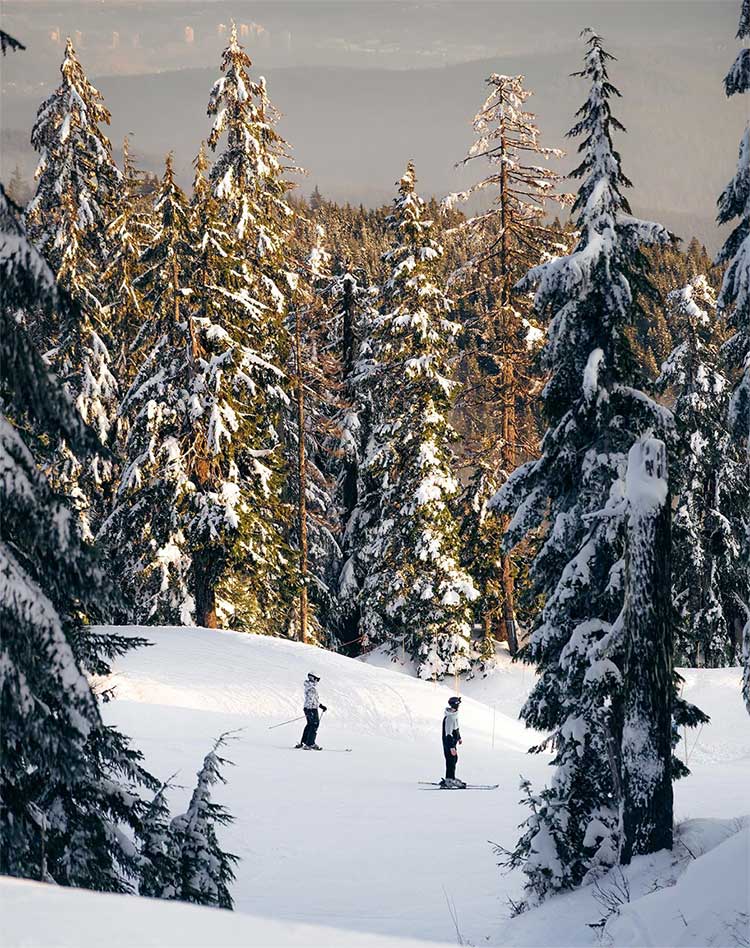
When the snow arrives — typically from December through May — Grouse Mountain transforms into Vancouver's most convenient ski and snowboard destination.
Skiing and Snowboarding
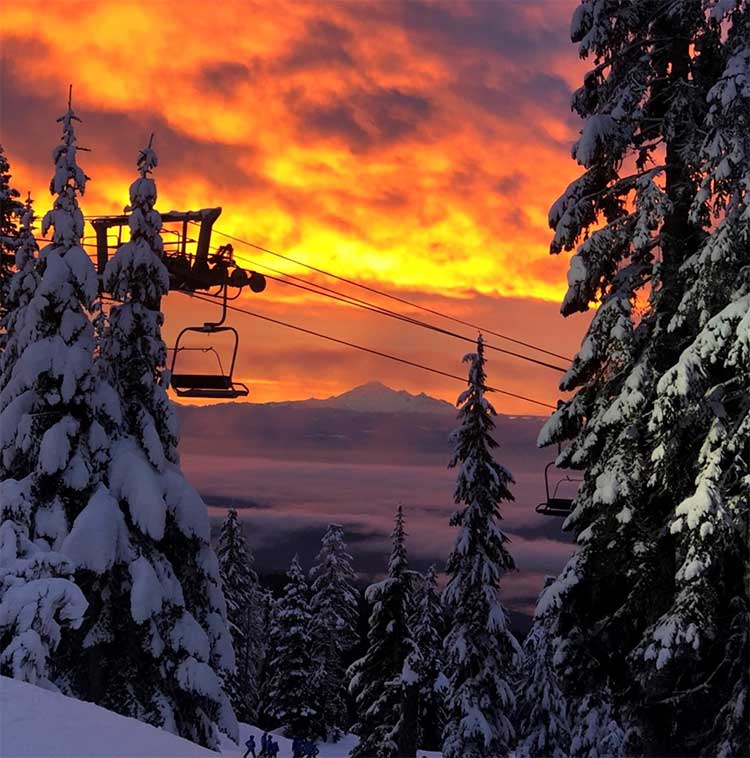
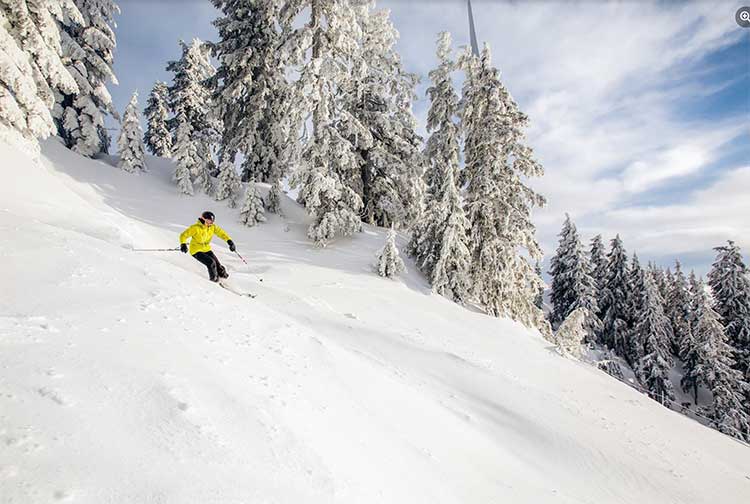
Grouse Mountain's ski area covers 33 runs across four chairlifts (including two high-speed quads, the Screaming Eagle and Olympic Express) and a magic carpet for beginners. Runs range from gentle beginner terrain to technical glades and terrain parks for advanced riders, and roughly half the runs are lit for night skiing — a signature Grouse Mountain experience, gliding down groomed slopes with the entire glittering city spread out below.
Grouse Mountain's Snow School offers lessons for all ages and skill levels, while more experienced skiers and riders can test themselves in the Terrain Park or thread through Peak Glades.
Snowshoeing
For a quieter pace, the Munday Alpine Snowshoe Park offers beginner and intermediate trails through the alpine forest. After dark, the Light Walk turns the area around Blue Grouse Lake into a glowing wonderland of light installations woven through the trees — a magical, family-friendly option for those who'd rather stroll than sprint. Ambitious snowshoers can also take on the Snowshoe Grind, a timed, more demanding version of the winter hiking experience.
Ice Skating
The mountaintop's 8,000-square-foot outdoor skating pond is the only mountaintop skating rink in the Lower Mainland, offering a genuinely unique way to spend a winter afternoon.
Tubing
At the Sliding Zone, no skill is required — just hop on an inflatable tube and race down one of several lanes. It's an easy, high-fun option for families and groups of all ages.
Summer at Grouse Mountain: Hiking, Wildlife, and Adventure
Once the snow melts, Grouse Mountain shifts gears entirely, opening up alpine trails, wildlife encounters, and some of the region's most exhilarating outdoor adventures.
Hiking Beyond the Grind
While the Grouse Grind gets most of the attention, the mountaintop also has a broader network of gentler trails winding through alpine meadows and forest, ideal for visitors who want scenery without the punishing stair-climb.
Ziplining
The Mountain Zipline Tour sends riders soaring above the alpine canopy at speeds up to 70 km/h across a network of lines, including a stretch that spans a canyon to neighbouring Dam Mountain. It's a two-hour adventure with a dual-line system that lets friends or family members fly side by side.
The Grouse Gravity Coaster
The mountain's newest thrill ride, the Grouse Gravity Coaster, lets riders control their own speed as they weave through the trees along a mountainside track, culminating in sweeping views over the city — a fresh addition to the mountain's roster of adrenaline activities.
Mountain Biking and Ropes Courses
Grouse Mountain has a long history with mountain biking, having hosted the UCI Mountain Bike World Cup in the early 2000s, and continues to offer terrain and events for riders. The Mountain Ropes Adventure aerial course (with a dedicated kids' zone) gives visitors a chance to test their balance and nerve among the treetops.
The Lumberjack Show
A Grouse Mountain tradition for decades, the World Famous Lumberjack Show brings BC's logging heritage to life with axe throwing, tree climbing, and log rolling — equal parts comedy and genuine skill, and a hit with families.
Wildlife Refuge for Endangered Species
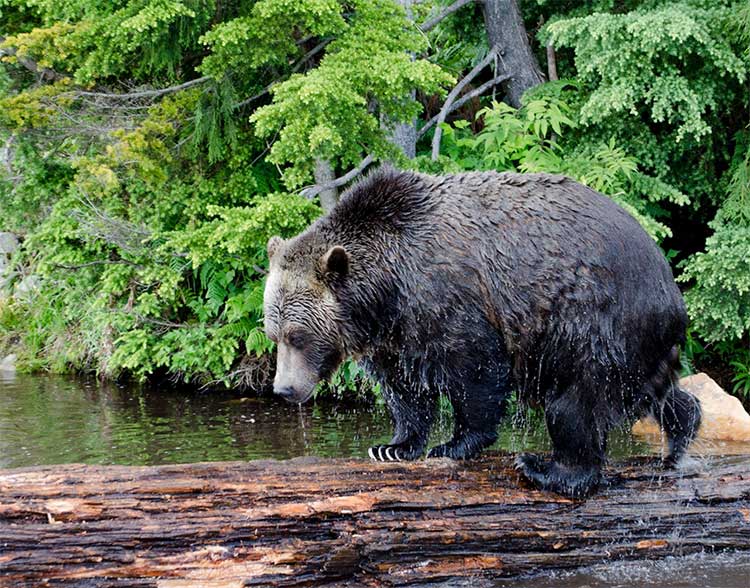
One of Grouse Mountain's most cherished features is its Refuge for Endangered Wildlife, home to resident grizzly bears Grinder and Coola since 2001, along with owls and other rescued wildlife. The bears live in a protected five-acre habitat, and in summer, visitors can book the popular Breakfast with the Bears experience — a buffet breakfast paired with an educational session from a wildlife expert while watching the grizzlies in their habitat.
Disc Golf
An 18-hole disc golf course sits atop the mountain, offering a low-key way to spend a few hours enjoying the alpine air and views between other activities.
Where to Eat on Grouse Mountain
Grouse Mountain's dining scene has grown considerably from its early chalet days, and there's now an option to suit almost any visit:
- The Observatory Restaurant – Fine dining with panoramic views, serving contemporary British Columbian cuisine. Open daily during summer.
- Altitudes Bistro – Casual West Coast fare on one of the province's best patios, ideal for a relaxed meal with a view.
- Lupins Café – A more casual, quick-service option for guests refuelling between activities.
- híwus Feasthouse – A cedar longhouse on the shores of Blue Grouse Lake offering Indigenous-inspired dining, culture, and entertainment for a uniquely Vancouver evening.
The Eye of the Wind
Grouse Mountain is also home to The Eye of the Wind, a 1.5-megawatt wind turbine with a public observation pod — the first of its kind in North America built at high altitude. Visitors can ride an elevator inside the turbine tower up to the pod for sweeping 360-degree views, while learning about wind energy and the mountain's sustainability efforts along the way.
Grouse Mountain's 100th Anniversary (2026)
2026 marks a century since Grouse Mountain began welcoming the adventurous public, and the mountain is marking the occasion with celebrations throughout the summer. Among the highlights is the Peak of Canada event, running from June 11 to July 19, tied to the FIFA World Cup™, featuring Canadian-themed treats, activities, and discounts for guests who show up in their favourite jersey on select dates.
Frequently Asked Questions About Grouse Mountain
How long does the Grouse Grind take? Most hikers take between 1.5 and 2.5 hours, though very fit hikers and trail runners can finish in well under an hour.
Can I hike down the Grouse Grind? No. Downhill hiking on the Grind is prohibited; hikers must ride the Red Skyride or Blue Grouse Gondola down using a Download Ticket.
Is the Grouse Grind open year-round? No. The trail is typically closed from November through April or May due to snow and unsafe conditions, and is managed jointly by Grouse Mountain Resort and Metro Vancouver Regional Parks.
How do I get to Grouse Mountain without a car? Take the SeaBus from Waterfront Station to Lonsdale Quay, then Bus #236 directly to the mountain. In summer, a free shuttle also runs from Canada Place.
What is included with Mountain Admission? Most of Grouse Mountain's summer and winter activities are included with a Mountain Admission ticket, which also covers the Skyride or gondola ride to the summit.
Final Thoughts
Few cities in the world offer an alpine escape as close and as complete as Grouse Mountain. From its origins as a multi-day wilderness trek in 1894 to today's gondola-served mountaintop resort, Grouse Mountain has spent over a century earning its title as The Peak of Vancouver. Whether you're chasing a personal best on the Grouse Grind, watching grizzly bears over breakfast, or carving turns under the city lights, Grouse Mountain delivers a genuine mountain experience without ever leaving Vancouver behind.
Add a review