

Ads
Description
The Museum of Vancouver (MOV) is the city’s civic history museum and the best place to understand how Vancouver became the city it is today. Set in Vanier Park on the edge of Kitsilano, the museum tells Vancouver’s story through objects, photographs, film and personal stories, from the Indigenous communities who have lived here for thousands of years to the boom years, the hippie era and the issues the city faces now.
It’s also one of Vancouver’s oldest cultural institutions. The museum’s roots go back to 1894, and its collection has grown alongside the city for more than 130 years.
About the Museum of Vancouver
MOV is an independent non-profit museum focused on one subject: Vancouver itself. Its exhibitions explore four big themes: decolonization and redress, immigration and diversity, environment and sustainability, and urban issues. That makes it as much about present-day Vancouver as its past. Visitors often leave with a new view of things they walk past every day, from the city’s neighbourhoods and housing debates to its neon signs and waterfront.
The museum is located on the unceded territories of the Musqueam, Squamish and Tsleil-Waututh Nations, at the site of the ancestral village of Sen̓áḵw.
A Brief History
The museum began in 1894, when a group of local residents formed the Art, Historical and Scientific Association and opened a small exhibition of paintings and curios on Granville Street. The first recorded item donated was a stuffed trumpeter swan.
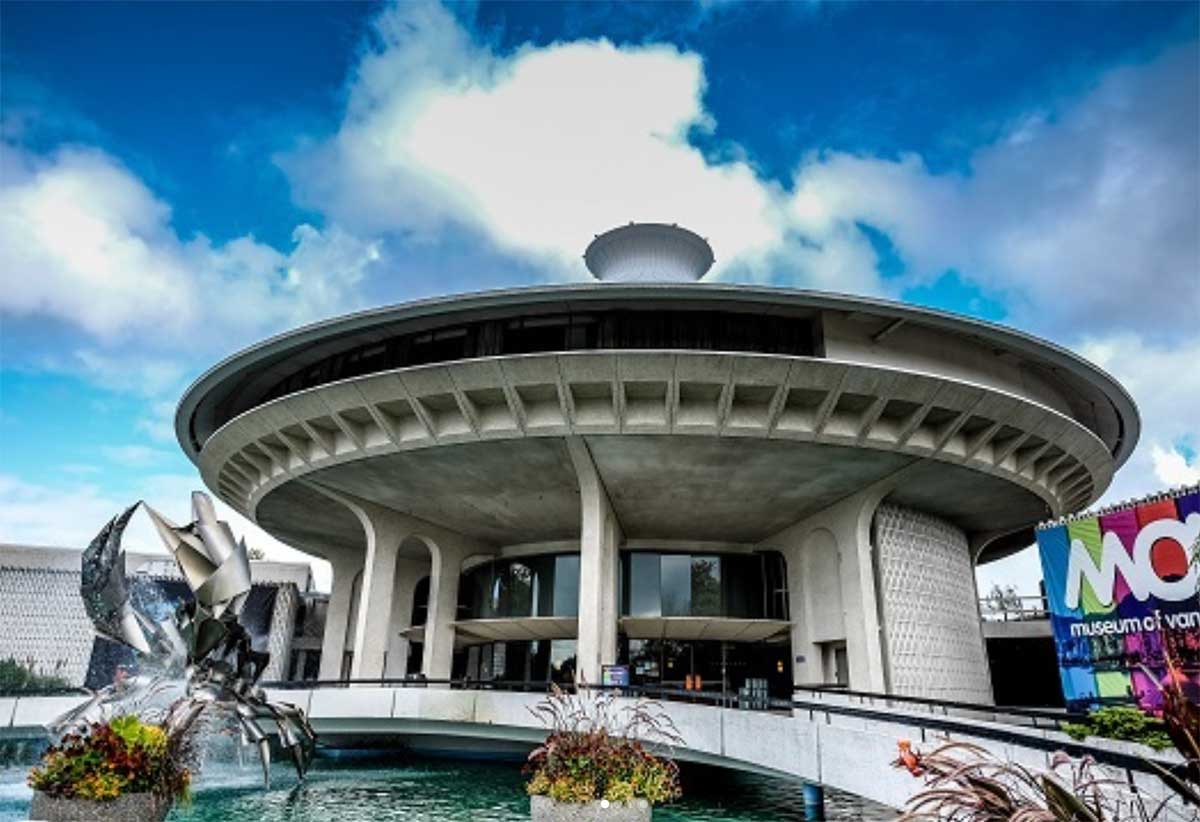
In 1905, the collection moved to the Carnegie Library at Main and Hastings, where it stayed for more than 60 years. As part of Canada’s Centennial celebrations, the museum moved in 1968 to its current home in Vanier Park, a landmark building designed by architect Gerald Hamilton. Its distinctive dome, shaped like a woven basket hat made by Northwest Coast First Nations peoples, is one of the most recognizable sights on the Vancouver skyline. The building also houses the H.R. MacMillan Space Centre.
The institution was renamed the Vancouver Museum in 1981, and became the Museum of Vancouver in 2009 when it refocused entirely on the city.
Permanent Galleries
MOV’s long-term galleries walk you through Vancouver decade by decade.
1900s–1920s: Gateway to the Pacific
Real estate frenzy, soaring house prices and a city growing fast. Sound familiar? This gallery covers Vancouver’s early boom years, the growth of its streetcar suburbs, and darker chapters like the Anti-Asian Riot and the Komagata Maru incident.
1930s–1940s: Boom, Bust and War
The amalgamation of Vancouver, South Vancouver and Point Grey in 1929, the hardship of the Great Depression, wartime shipbuilding, and the forced removal of Japanese Canadians from the coast.
1950s Gallery
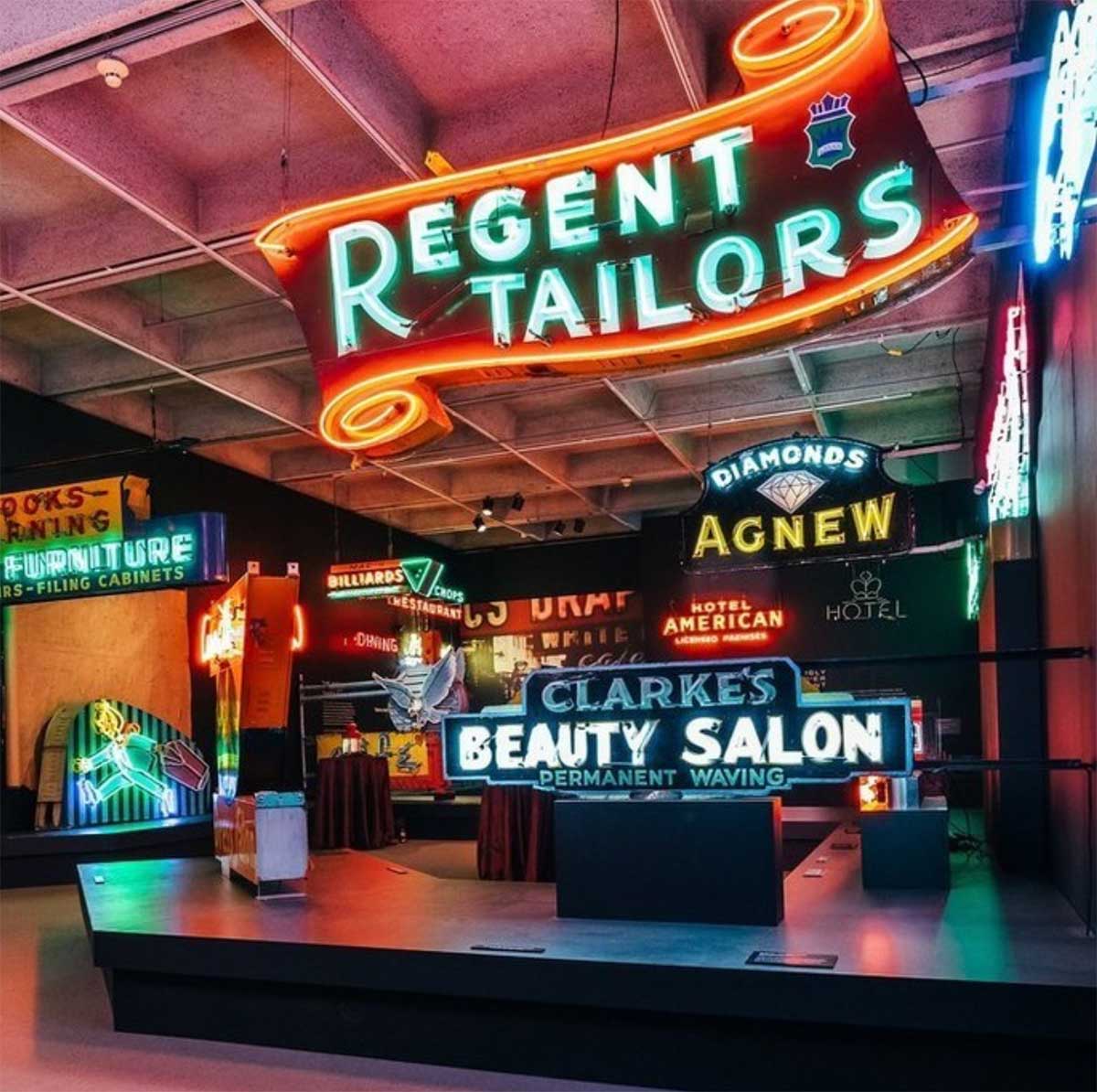
Post-war Vancouver, when streets were reshaped for cars, neon lit up downtown, and street photographer Foncie Pulice snapped portraits of passersby. Don’t miss the jukebox and the glowing vintage neon signs.
1960s–1970s: You Say You Want a Revolution
A favourite with visitors. It covers Vancouver’s era as Canada’s hippie capital, centred in Kitsilano. Step into a recreated communal house, listen to local bands from the late ’60s, watch footage of the Stanley Park Be-In, and learn how residents stopped a freeway from cutting through the city.
c̓əsnaʔəm: The City Before the City
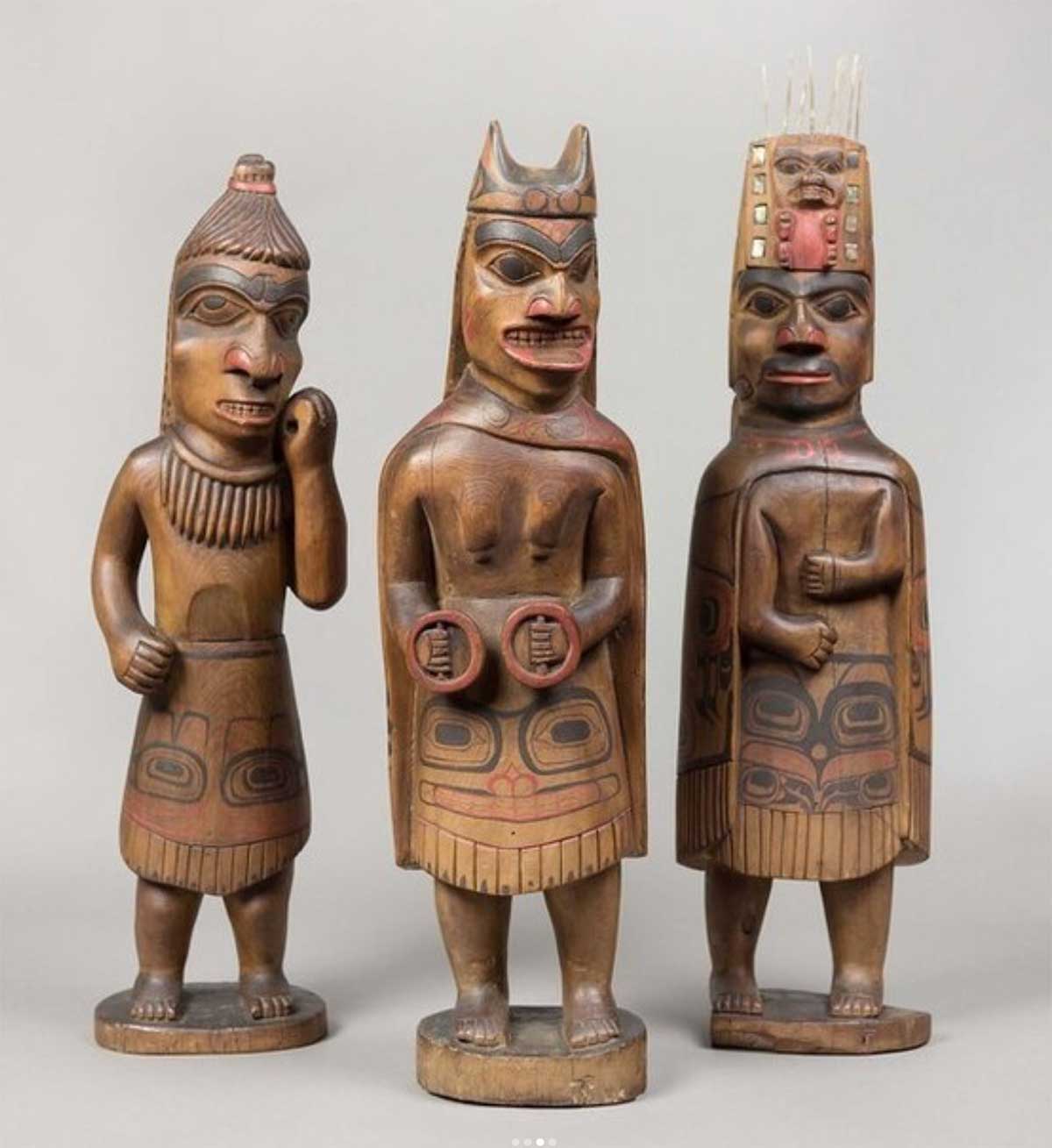
Created with the Musqueam people, this exhibition features bone, stone and shell objects thousands of years old from c̓əsnaʔəm, the ancient village site in today’s Marpole neighbourhood, and explores Indigenous heritage in the city.
That Which Sustains Us
This exhibition looks at people’s relationships with the forests and land of the Vancouver area, contrasting traditional ecological knowledge with the impact of deforestation and urbanization.
Unity Indigenous Plant Garden
A living outdoor exhibition created with the Musqueam, Squamish and Tsleil-Waututh Nations, featuring native plants labelled in their languages.
Current Feature Exhibitions (Fall 2026)
- Becoming: The Art of Gu Xiong (until March 29, 2027). A major retrospective of artist Gu Xiong, whose work over five decades explores memory, migration and identity between Canada and China.
- The Suitcase Project (until November 8, 2026). Photographer Kayla Isomura asked more than 80 Japanese Canadians and Americans what they would pack if forced from their homes with 24 to 48 hours’ notice, as their families were in 1942. A travelling exhibition from the Nikkei National Museum and Cultural Centre.
- Press Start: A Vancouver Game History Pop-Up (until November 7, 2026). A look at Vancouver’s role in the video game industry. Separate ticket and hours: Fridays and Saturdays noon–8 PM, Sundays noon–5 PM.
Hours of Operation
| Day | Hours |
|---|---|
| Monday | 10:00 AM – 5:00 PM |
| Tuesday | 10:00 AM – 5:00 PM |
| Wednesday | 10:00 AM – 5:00 PM |
| Thursday | 10:00 AM – 8:00 PM |
| Friday | 10:00 AM – 8:00 PM |
| Saturday | 10:00 AM – 8:00 PM |
| Sunday | 10:00 AM – 5:00 PM |
Ticket sales end 30 minutes before closing. The late hours on Thursday, Friday and Saturday make for a good evening visit.
Admission Prices
| Ticket | Price |
|---|---|
| Adults (18+) | $24 |
| Seniors (65+) | $19 |
| Students (with ID) and Youth (13–18) | $19 |
| Children 12 and under (with an adult) | Free |
| Visitors who self-identify as Indigenous | Free |
Prices include GST. Online tickets have a small service fee. Free child admission is limited to six children per adult and doesn’t apply to school or youth groups, which have separate bookings.
Ways to Save
- Pay What You Can Sundays: Pay what you can on the first Sunday of every month.
- Vanier Park Pass: Save more than 20% with one pass covering the Museum of Vancouver, H.R. MacMillan Space Centre and Vancouver Maritime Museum. It’s only sold online.
- Group rates: Groups of 10 or more get a discount when booked in advance.
- Special admissions: The museum honours the Canoo Cultural Access Pass, BCMA Owl Card, Access 2 Card and several museum association memberships at the front desk.
Accessibility and Low Sensory Sundays
The museum is fully wheelchair and scooter accessible, with ramps, elevators, wide entrances and accessible washrooms. There are five accessible parking spots in the lot in front of the building.
On the last Sunday of every month, MOV holds Low Sensory Sundays, when most gallery sounds are turned off or lowered. Sensory support kits and noise-reducing ear covers are available at the front desk every day.
Events and Programs
MOV runs a busy calendar of talks, tours, comedy nights and family programs, plus school programs in English and French. Upcoming events this fall include a Halloween history comedy show on October 24 and Spooky Storytime for Kids on October 30. Check the museum’s events page for the latest listings.
The museum also offers venue rentals for private events, meetings and receptions.
Getting There and Parking
The Museum of Vancouver is at 1100 Chestnut Street in Vanier Park, at the north end of Kitsilano near the south end of the Burrard Bridge.
- Parking: There’s a pay lot run by EasyPark in front of the building. Pay before you go inside. Street parking is also available nearby.
- Transit: Several bus routes stop within a short walk along Cornwall Avenue.
- Walking and cycling: The museum is right on the seaside path, an easy walk or bike ride from Kitsilano Beach and Granville Island.
Nearby Attractions
Make a day of it in Vanier Park:
- H.R. MacMillan Space Centre: in the same building as the museum
- Vancouver Maritime Museum: a short walk away
- Kitsilano Beach: about 10 minutes on foot
- Granville Island: a short walk east along the seawall
Contact Information
- Name: Museum of Vancouver (MOV)
- Address: 1100 Chestnut St, Vancouver, BC V6J 3J9
- Phone: (604) 736-4431
- Email: guestservices@museumofvancouver.ca
- Website: museumofvancouver.ca
- Neighbourhood: Kitsilano / Vanier Park
- Good for: Families, history lovers, visitors, school groups, rainy days
Frequently Asked Questions
(Move these into a Yoast or Rank Math FAQ block.)
How much does the Museum of Vancouver cost?
Adult admission is $24, and seniors, students and youth pay $19. Children 12 and under get in free with an adult.
When is the Museum of Vancouver free?
Children 12 and under and visitors who self-identify as Indigenous always get in free. On the first Sunday of each month, everyone can pay what they can.
What are the Museum of Vancouver’s hours?
The museum is open daily from 10 AM. It closes at 5 PM Sunday through Wednesday and at 8 PM Thursday through Saturday.
Where is the Museum of Vancouver?
At 1100 Chestnut Street in Vanier Park, Kitsilano, in the same building as the H.R. MacMillan Space Centre.
Is there parking at the Museum of Vancouver?
Yes. There’s a pay lot in front of the building, plus street parking nearby.
How long does a visit take?
Most visitors spend about two hours seeing the galleries and feature exhibitions.
Is the Museum of Vancouver good for kids?
Yes. Kids 12 and under get in free, and the museum runs family programs and storytimes throughout the year.
What is the Vanier Park Pass?
A combined ticket for the Museum of Vancouver, H.R. MacMillan Space Centre and Vancouver Maritime Museum that saves more than 20%. It’s sold online only.
Is the Museum of Vancouver wheelchair accessible?
Yes. The museum has ramps, elevators, wide entrances, accessible washrooms and accessible parking spots.


Add a review