02 The story
A fishing village at the mouth of the Fraser
Steveston grew from a townsite granted to William Herbert Steves around 1880 and named for his father, Manoah Steves. The land had long been used by the Musqueam and other Halkomelem-speaking peoples. By the 1890s, about half of the region’s salmon canneries were based here, and the town earned the nickname Salmonopolis.
Japanese Canadians made up a large part of the early fishing community. Their internment during the Second World War was a deep blow to the village, and their history is still marked in local buildings, gardens and memorials.
What to see and do
The Gulf of Georgia Cannery, built in 1894 and now a national historic site run by Parks Canada, tells the story of the West Coast fishing industry inside the original plant. A short walk east along the boardwalk, Britannia Shipyards, also a national historic site, preserves boat sheds, workers’ homes and a cannery building.
At Fisherman’s Wharf you can often buy seafood directly from the boats. To the west, Garry Point Park is a wide grassy point built on old sand dunes, good for kite flying, picnics and sunsets over the strait. It is also home to the Fisherman’s Memorial, shaped like a giant net-mending needle.
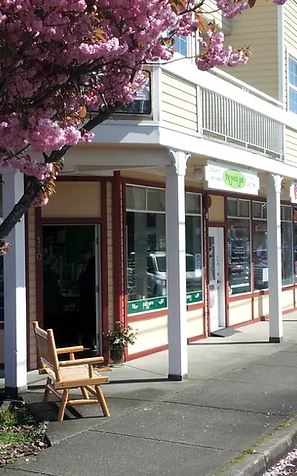
The village core around Moncton Street and Bayview Street has heritage storefronts, the Steveston Museum and a restored interurban tram. Steveston has also stood in for the town of Storybrooke in the TV series Once Upon a Time.
Tip: summer weekends and Canada Day, when the Steveston Salmon Festival takes over, are very busy. Come on a weekday or arrive early, and consider biking in along the West Dyke Trail.