
City guide · Tri-Cities & Northeast
Port Moody city guide
A small city at the head of Burrard Inlet, with shoreline trails, paddling, railway history and the craft breweries of Brewers Row.
01 At a glance
Welcome to Port Moody
Port Moody wraps around the calm eastern end of Burrard Inlet, combining a historic railway town, waterfront parks and a walkable craft beer district. It suits paddlers, walkers, families and anyone who wants small-city charm with SkyTrain and West Coast Express links to Vancouver.
- Vibe
- Arty, outdoorsy, waterfront
- Best for
- Waterfront walks and craft beer
- Getting around
- Millennium Line SkyTrain & West Coast Express
Port Moody at a glance
Port Moody wraps around the eastern tip of Burrard Inlet, where the long arm of salt water from Vancouver’s harbour finally runs out between forested slopes. It is the smallest of the Tri-Cities, bordered by Burnaby to the west and Coquitlam to the east and south, with the villages of Anmore and Belcarra and the waters of Indian Arm just to the north. Elevation climbs from sea level at the shoreline to more than 700 metres in the hills, and dozens of creeks tumble down into the inlet.
The city has a strong sense of place. Moody Centre, on the south shore, is the historic core, with heritage buildings, St. Johns Street, the arts centre and the waterfront at Rocky Point Park. A short walk east, Newport Village and Suter Brook Village form a newer, mixed-use centre around Inlet Centre Station. Neighbourhoods such as Glenayre, College Park, Heritage Mountain and Ioco climb the hillsides on both sides of the inlet.
About 33,500 people lived in Port Moody at the 2021 Census, and the city calls itself the City of the Arts. It suits people who like small-town scale with big scenery: kayakers and walkers, craft beer fans, families who want a beach and a playground in one stop, and commuters who appreciate having both SkyTrain and the West Coast Express in town.
A short history
The head of Burrard Inlet has been a rich place to live and fish for thousands of years. Port Moody acknowledges that it sits within the territories of the kʷikʷəƛ̓əm (Kwikwetlem), səlilwətaɬ (Tsleil-Waututh), xʷməθkʷəy̓əm (Musqueam), Sḵwx̱wú7mesh (Squamish), q̓ic̓əy̓ (Katzie), qʼʷa:n̓ƛʼən̓ (Kwantlen), qiqéyt (Qayqayt) and Stó:lō peoples. The inlet’s shores, creeks and salmon runs sustained these communities long before the city existed.
The settlement took its name from Colonel Richard Clement Moody of the Royal Engineers, whose men built a trail from New Westminster north to the inlet in 1859. Port Moody’s big moment came with the Canadian Pacific Railway, which made it the western terminus of the transcontinental line. After the last spike was driven at Craigellachie in November 1885, the first scheduled transcontinental passenger train pulled into Port Moody on 4 July 1886. The boom was brief: the CPR soon extended the line to Vancouver, which opened in 1887, and Port Moody’s land prices collapsed.
The town found its footing in industry instead, with sawmills, an oil refinery and port facilities along the shore. Port Moody was incorporated as a city on 11 March 1913. In recent decades the waterfront has turned from industry towards parks, and the Evergreen Extension of the Millennium Line, which opened in December 2016, brought SkyTrain to Moody Centre and Inlet Centre and sparked new development around both stations.
Top things to do in Port Moody
Waterfront parks and trails
Rocky Point Park is Port Moody’s living room. It has a long recreational pier over the inlet, a spray park, a skate park, a playground, picnic lawns and a boat launch, and it is the starting point for many of the city’s festivals. Kayak and paddleboard rentals operate here in the warmer months, and paddling the calm upper inlet is one of the best ways to see the city.
From Rocky Point, the Shoreline Trail follows the head of the inlet on a mix of boardwalk and forest path past mudflats, creek mouths and birdlife to Old Orchard Park, which has a small sandy beach on the north shore. It is flat, shaded and suitable for almost everyone. For a bigger outing, Bert Flinn Park is a 138-hectare forest on the hillside above the north shore, laced with trails used by hikers and mountain bikers.
- Admiralty Point: part of təmtəmíxʷtən/Belcarra Regional Park lies within Port Moody, with coastal forest, rocky bluffs and shoreline along the outer inlet.
- Noons Creek: a salmon-bearing creek with a community hatchery that welcomes visitors during the Fingerling Festival.
- Inlet Park: playing fields and paths connecting the recreation complex to the Shoreline Trail.
Arts and history
The PoMo Museum on Murray Street tells the city’s railway story in a restored heritage station, with a historic rail car outside. The Port Moody Arts Centre on St. Johns Street, in a former city hall, runs exhibitions, classes and community art programs that live up to the City of the Arts name. Public art is scattered through Moody Centre and along the waterfront.
Brewers Row
Port Moody’s best-known attraction for adults is Brewers Row, a cluster of craft breweries with tasting rooms along Murray Street, a short walk from Rocky Point Park and Moody Centre Station. It is easy to visit several in an afternoon without a car. Food trucks often park nearby, and weekday afternoons are quieter than summer weekends.
Family fun
Families can fill a day at Rocky Point alone, with the spray park, the pier, the playground and ice cream nearby, then walk the Shoreline Trail to look for herons and spawning salmon in the fall. The Port Moody Recreation Complex at Inlet Park has pools and arenas for rainy days.
A day in Port Moody
A car-free day works well here. Ride SkyTrain to Moody Centre, walk down to the PoMo Museum, then continue to Rocky Point Park for the pier and a coffee. Rent a kayak or paddleboard if the weather is calm, or walk the Shoreline Trail to Old Orchard Park and back, which takes a couple of relaxed hours. In the late afternoon, wander up Murray Street to Brewers Row, and finish with dinner in Moody Centre or at Newport Village, a pleasant stroll east near Inlet Centre Station. In the fall, time your trail walk for the salmon runs in the creeks.
Food and drink
Port Moody’s food scene is shaped by its two centres. In Moody Centre, St. Johns Street and Clarke Street have a mix of long-standing family restaurants, pubs, cafés and international kitchens, and the area around Murray Street and Rocky Point fills with people heading to and from the breweries. Food trucks are a regular sight near the tasting rooms.
Newport Village and Suter Brook Village, near Inlet Centre Station, have the highest concentration of restaurants in the city: sushi, Italian, Thai, Mediterranean, brunch spots, bakeries and patios around pedestrian-friendly streets and plazas. Ioco Road and the shopping areas near Heritage Mountain have neighbourhood cafés and takeout. Craft beer is the city’s calling card, so expect many restaurants to pour local brews.
Where to stay
Port Moody has very few hotels, so most visitors either stay with friends and family or book short-term rentals. The most convenient areas are:
- Moody Centre: walking distance to Rocky Point Park, Brewers Row and Moody Centre Station, with SkyTrain and the West Coast Express on the doorstep.
- Newport Village and Suter Brook: car-light living near Inlet Centre Station with restaurants, groceries and the Shoreline Trail close by.
- Coquitlam City Centre or Burnaby: a few SkyTrain stops away, with more hotel options for a Port Moody day trip.
Getting around
Port Moody has two stations on the Millennium Line: Moody Centre and Inlet Centre. Trains run west to Burquitlam and Lougheed Town Centre, where you can transfer to the Expo Line for downtown Vancouver, and east to Coquitlam Central and Lafarge Lake–Douglas.
Moody Centre is also the first stop outside downtown on the West Coast Express. On weekdays, five morning trains reach Waterfront Station about 25 minutes after leaving Port Moody, and five afternoon and evening trains run back east towards Mission. There is no weekend service. Moody Centre has a bus exchange and a park-and-ride lot, which makes it a handy starting point for trips to the north shore of the inlet.
Local buses fill the gaps. The 182 runs from Moody Centre Station to Belcarra, with the 181 adding weekend and holiday trips, and the seasonal 179 runs from Inlet Centre Station to Buntzen Lake on weekends and holidays. Check TransLink for current schedules, especially for the seasonal routes.
By car, the Barnet Highway (Highway 7A) links Port Moody with Burnaby and Vancouver, and continues east into Coquitlam. Ioco Road leads around the north shore towards Anmore, Belcarra and Buntzen Lake. The Shoreline Trail and local bike routes make short trips easy on two wheels, though the hillside neighbourhoods are steep.
Seasons and events
Port Moody has a mild, wet climate with more rain than Vancouver, as moist air piles up against the surrounding mountains. Summers are warm and dry, the best season for paddling and festivals, while fall brings salmon runs in the creeks. Port Moody’s own events calendar lists the city’s recurring celebrations, including these 2026 dates:
- Penguin Plunge (1 January): a chilly New Year’s Day dip in the inlet.
- Fingerling Festival (spring): a family celebration of salmon and the creeks; held on 2 May in 2026.
- Golden Spike Days (late June): a weekend festival at Rocky Point Park celebrating the railway heritage, with music and family activities; 27–28 June in 2026.
- Canada Day (1 July) and Summer Sundays Concerts through July and August.
- RibFest (July): barbecue, music and crowds at Rocky Point; 17–19 July in 2026.
- Car-Free Day (August): a street festival with local vendors and performers; 16 August in 2026.
- Holiday Cheer at the Pier (late November) and the CPKC Holiday Train in December, which stopped in Port Moody on 20 December in 2026.
Living in Port Moody
Port Moody offers a mix of housing on a small footprint. Condos and townhouses cluster around Moody Centre, Newport Village, Suter Brook and Inlet Centre, while Heritage Mountain, Glenayre, College Park and the north shore have detached homes, many with forest or water views. New development near the SkyTrain stations has been a lively local debate, and growth has shaped recent civic elections.
Each neighbourhood has its own character. Moody Centre mixes heritage homes, older apartments and new projects near the station. Newport Village and Suter Brook are the most urban, with towers above shops and restaurants. Heritage Mountain and Heritage Woods are hillside family areas with schools and trails nearby. College Park and Glenayre are quiet, established pockets of detached homes on the south slope, and Ioco and the north shore feel closest to the forest, on the road to Belcarra and Buntzen Lake.
Public schools are part of School District 43 (Coquitlam). Simon Fraser University on Burnaby Mountain and Douglas College’s David Lam Campus in Coquitlam are both a short trip away.
Port Moody suits people who want a walkable small city with water and forest at their doorstep, as well as commuters who value both SkyTrain and commuter rail. Practical notes: hillside streets are steep and some see snow before the valley does; bears are regular visitors in forested neighbourhoods, so follow garbage rules; and summer weekends can bring heavy traffic on Ioco Road towards Buntzen Lake and Belcarra.
03 Don’t miss
Top things to do in Port Moody
- 01
Rocky Point Park
Waterfront park with a pier, spray park, skate park and kayak rentals in summer.
- 02
Shoreline Trail
Flat, shaded path around the head of the inlet to Old Orchard Park's small beach.
- 03
Brewers Row
A walkable cluster of craft brewery tasting rooms on Murray Street.
- 04
PoMo Museum
Railway history in a restored station, with a heritage rail car outside.
- 05
Port Moody Arts Centre
Exhibitions and classes in a heritage building on St. Johns Street.
- 06
Bert Flinn Park
138 hectares of forest trails for hiking and mountain biking.
- 07
Golden Spike Days
Late-June festival at Rocky Point celebrating the city's railway roots.
04 Neighbourhoods
Explore Port Moody neighbourhood by neighbourhood
- Inlet Centre & Heritage MountainHeritage Mountain & Heritage WoodsHillside family neighbourhoods above Port Moody, with forest trails, inlet views and Newport Village…
- Moody CentreMoody Centre & Brewers RowPort Moody's historic heart, where St. Johns Street, heritage homes and a row of…
- Moody CentreRocky PointPort Moody's waterfront playground at the head of Burrard Inlet, with a pier, pool,…
- Inlet Centre & Heritage MountainSuter Brook & Newport VillageTwo walkable villages beside Inlet Centre station, with shops, cafés, City Hall and the…
On the map
Around Port Moody
Moody Centre and Inlet Centre stations are on the Millennium Line, and Moody Centre is also a weekday West Coast Express stop about 25 minutes from Waterfront Station. Buses from Moody Centre and Inlet Centre serve Belcarra and, seasonally, Buntzen Lake.
 Sleep Country - 2560 Barnet Hwy, CoquitlamFurniture StoreView →
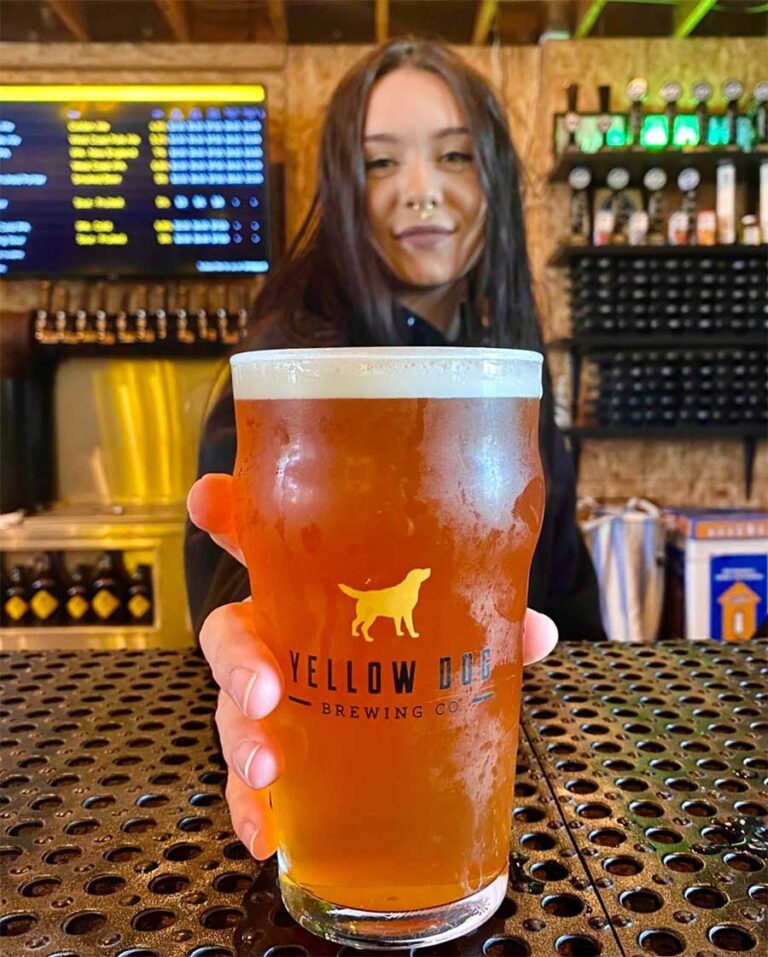
- Yellow Dog BrewingBreweriesView →
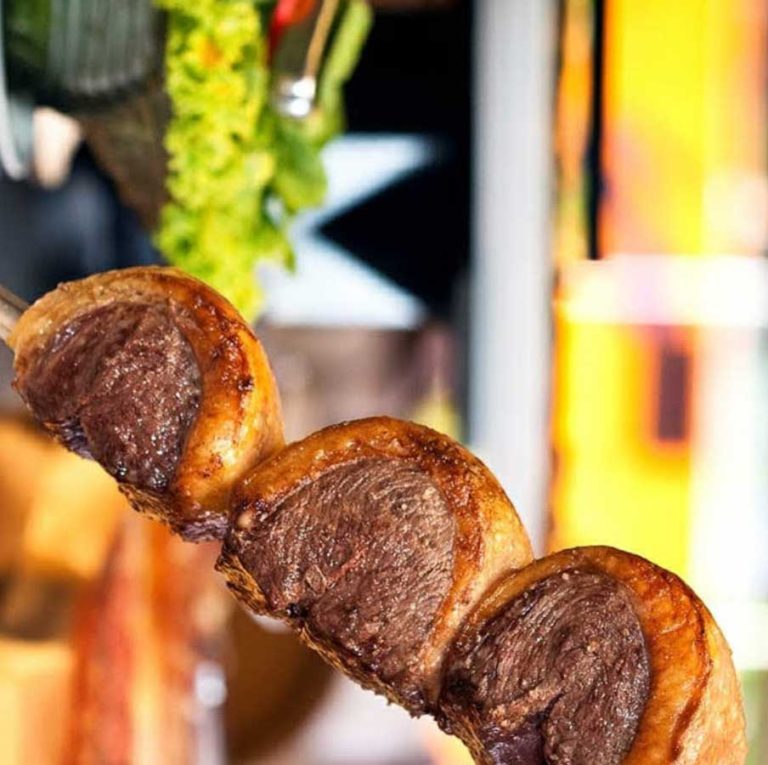
- Rio Brazilian Steakhouse CoquitlamBrazilian RestaurantView →
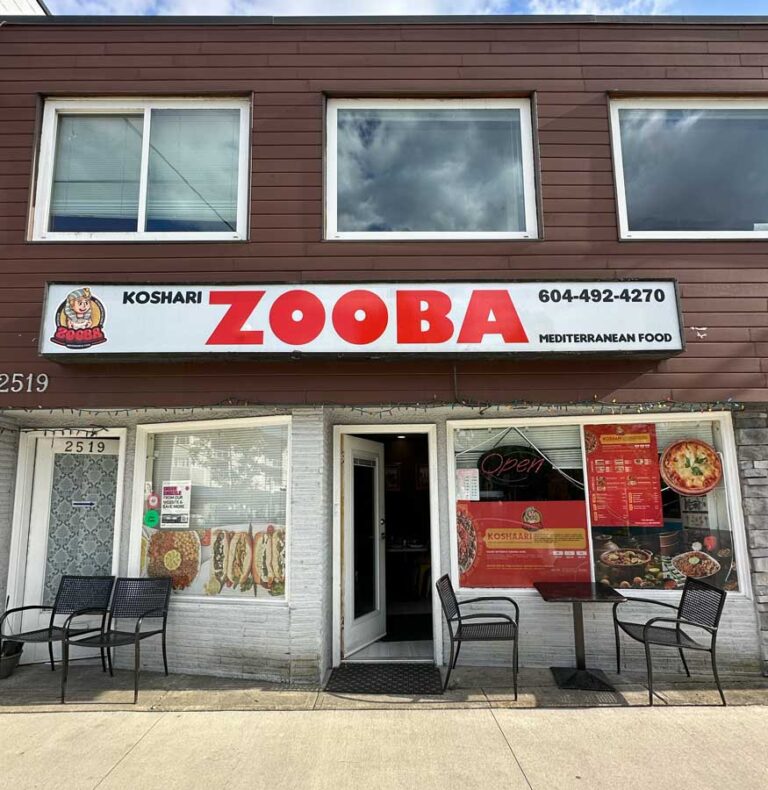
- Koshari Zooba Port MoodyEgyptian RestaurantsView →
- Koshari Zooba Egyptian Restaurant in Port MoodyRestaurantView →
- Copa Cafe CoquitlamHong Kong Style CafesView →
- Singapore Hawker CoquitlamMalaysian RestaurantsView →
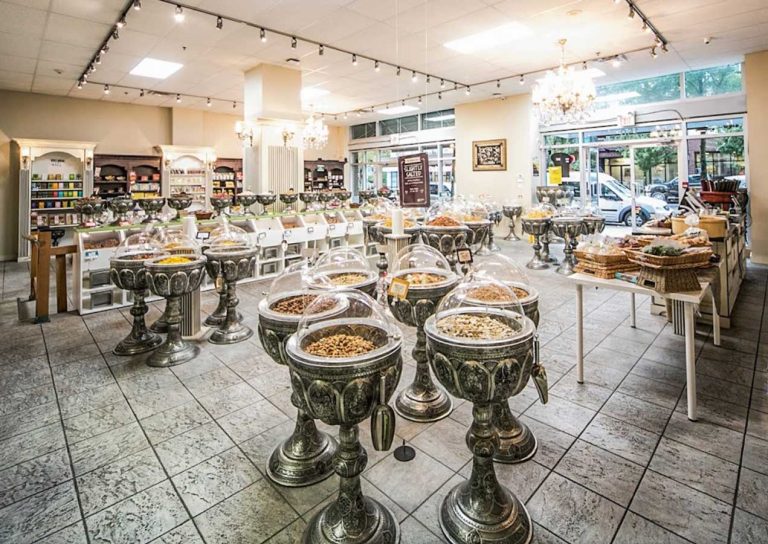
- Ayoub's Dried Fruits & Nuts – 2950 Glen Dr #150, Coquitlam, BCSnack FoodView →
- ATA Technical GroupConstruction & ContractorsView →
- Accents@Home Coquitlam CentreFurniture StoreView →
- Hygge Design House in CoquitlamFurniture StoreView →
- Coquitlam CentreShopping & RetailView →
- The Christmas ExpertsChristmas ShopView →




Refresh & refuel
Where to eat & drink in Port Moody
 1.3 kmYellow Dog BrewingBreweries2817 Murray St #1, Port Moody, BC V3H 1X3, Canada
- 1.5 kmRio Brazilian Steakhouse CoquitlamBrazilian Restaurant2729 Barnet Hwy, Coquitlam, BC V3E 1K9, Canada
- 1.9 kmKoshari Zooba Egyptian Restaurant in Port MoodyRestaurant2519 St Johns St, Port Moody, BC V3H 2B3, Canada
- 2.4 kmAyoub's Dried Fruits & Nuts – 2950 Glen Dr #150, Coquitlam, BCSnack Food2950 Glen Dr #150, Coquitlam, BC V3B 0B5, Canada
- 1.9 kmKoshari Zooba Port MoodyEgyptian Restaurants2519 St Johns St, Port Moody, BC V3H 2B3
- 2.2 kmCopa Cafe CoquitlamHong Kong Style Cafes300-1175 Johnson Street, Coquitlam, BC V3B 7K1
- 2.4 kmSingapore Hawker CoquitlamMalaysian Restaurants120-1169 Pacific St, Coquitlam, BC V3B 0J1
Own a business in Port Moody?
Get discovered by locals and visitors planning their time in the city.
FAQ
Port Moody: good to know
How do I get to Port Moody from downtown Vancouver?
Take the Expo Line to Lougheed Town Centre and transfer to the Millennium Line for Moody Centre or Inlet Centre. On weekday afternoons and evenings, the West Coast Express runs from Waterfront to Moody Centre in about 25 minutes.
How far is Port Moody from YVR?
The airport is about 35 to 40 kilometres away. Allow roughly an hour by car outside rush hour, or take the Canada Line and SkyTrain with transfers.
Is Port Moody good for families?
Yes. Rocky Point Park's spray park, playground and pier, the easy Shoreline Trail and family festivals make it a strong choice for kids.
Are the breweries on Brewers Row walkable from SkyTrain?
Yes. Brewers Row on Murray Street is a short walk from Moody Centre Station and Rocky Point Park.
When is the best time to visit Port Moody?
Summer is best for paddling and festivals such as Golden Spike Days and RibFest. Fall is good for salmon spotting along the creeks.
Can I get to Belcarra or Buntzen Lake from Port Moody by bus?
Yes. Routes 181 and 182 run from Moody Centre Station to Belcarra, and the seasonal 179 runs from Inlet Centre Station to Buntzen Lake on weekends and holidays.
Sources for the facts on this page
- Statistics Canada, 2021 Census of Population (via Tri-City News: New census data shows population increase for the Tri-Cities; land area via Wikipedia: Port Moody)
- City of Port Moody: 2026 election results (official)
- Global News: B.C. municipal election 2026 results (18 October 2026)
- City of Port Moody: Indigenous Relations
- Wikipedia: Port Moody; Moody Centre station
- City of Port Moody: Events at a Glance (2026)
- 604 Now: Port Moody Golden Spike Days Festival 2026
- TransLink: West Coast Express schedule
- TransLink Buzzer: 40 transit-friendly summer destinations in Metro Vancouver (July 2026)
- Wikipedia: təmtəmíxʷtən/Belcarra Regional Park
Keep exploring
Nearby city guides
- Tri-Cities & Northeast · 2.9 kmCoquitlamLakes, forest trails and mountain views meet a SkyTrain-served city centre, Korean and Persian…
- Tri-Cities & Northeast · 3.9 kmAnmoreA quiet, forested village above Port Moody and the gateway to Buntzen Lake's beaches,…
- Tri-Cities & Northeast · 4.3 kmPort CoquitlamTerry Fox's hometown: a friendly river city ringed by a 25 km trail, a…
- Tri-Cities & Northeast · 7.7 kmBelcarraA tiny seaside village where Burrard Inlet meets Indian Arm, home to beaches, picnics…
- South of the Fraser · 10.4 kmSurreyBC's second-largest city: six town centres, big parks, Punjabi food, farm country and a…
- Vancouver & Burrard Peninsula · 10.8 kmNew WestminsterBritish Columbia's first city: a hillside of heritage homes above the Fraser, with a…