City guide · Tri-Cities & Northeast
Port Coquitlam city guide
Terry Fox's hometown: a friendly river city ringed by a 25 km trail, a small downtown and a May Days festival more than a century old.
01 At a glance
Welcome to Port Coquitlam
Port Coquitlam, or PoCo, is a compact, family-focused city where the Pitt and Coquitlam rivers meet the Fraser. It suits walkers and cyclists, families and anyone who wants a small-city feel with West Coast Express and RapidBus links to the rest of the region.
- Vibe
- Friendly, riverside, community-proud
- Best for
- River trails and family festivals
- Getting around
- West Coast Express & R3 RapidBus
Port Coquitlam at a glance
Port Coquitlam, known to almost everyone as PoCo, is the middle-sized member of the Tri-Cities. It sits on the north bank of the Fraser where the Pitt River joins it, with the Coquitlam River running through the west side of town. Coquitlam wraps around it to the north and west, and Pitt Meadows lies across the Pitt River to the east.
PoCo is compact, friendly and practical. A small downtown along Shaughnessy Street and around Leigh Square holds City Hall, the library, shops and the main civic spaces. A large rail yard cuts through the centre of the city, a reminder of the railway that created it. Around that core are quiet residential neighbourhoods, from older streets near downtown to newer family areas such as Citadel Heights and Riverwood, all within easy reach of river trails.
About 61,500 people lived in Port Coquitlam at the 2021 Census. It is a family-oriented city with strong community traditions, and it is proud to be Terry Fox’s hometown. Visitors come for the riverside trail that circles the city, for the spring May Days festival and September’s Terry Fox Hometown Run, and as a base for the parks and lakes of the northeast.
A short history
Port Coquitlam is on the traditional, ancestral and unceded territory of the kʷikʷəƛ̓əm (Kwikwetlem) First Nation, a Coast Salish people who have lived on and cared for these lands and rivers since time immemorial. Archaeological sites in the area date back thousands of years, and the Coquitlam and Pitt rivers were important fishing and travel routes long before settlement.
European settlers began farming beside the Pitt River in 1859. The real turning point came with the Canadian Pacific Railway. A station and a small farming and logging settlement called Westminster Junction grew where the main line met the branch to New Westminster, and when the CPR moved its freight terminus here and built a new spur line in 1911, residents pushed to break away from the District of Coquitlam. The City of Port Coquitlam was incorporated on 7 March 1913. Its founders imagined an industrial city with a Fraser River port, but that vision never fully arrived, and the young city soon faced a world war, floods, fire and financial hardship that took years to overcome.
After the Second World War, PoCo grew steadily from farm town to suburb. Its most famous resident, Terry Fox, grew up here and began his Marathon of Hope in 1980 to raise money for cancer research. The city has honoured him ever since, from the annual Hometown Run to Terry Fox Hometown Square and an exhibit at the Port Coquitlam Community Centre unveiled in April 2025. Today a large CPKC rail yard still operates in the middle of the city.
Top things to do in Port Coquitlam
Trails and rivers
The signature outing is the Traboulay PoCo Trail, a 25.3-kilometre loop that encircles the entire city. It follows the dykes of the Pitt and Fraser rivers, the banks of the Coquitlam River and forested sections in the north, so you can walk or cycle it in pieces or tackle the whole thing in a day. The Pitt River stretch is especially scenic, with views of the Golden Ears peaks on clear days, while the Coquitlam River section is shaded and good for spotting salmon in the fall.
- Colony Farm Regional Park: open meadows, community gardens and birdwatching along the Coquitlam River, on the border with Coquitlam.
- Hyde Creek: a creek and green space beside Hyde Creek Recreation Centre, where local volunteers have long worked to protect salmon habitat.
- Minnekhada Regional Park: just over the city line in Coquitlam, with marsh trails and knoll lookouts above the Pitt River floodplain.
Terry Fox’s hometown
Fans of Terry Fox can trace his story around town. Terry Fox Hometown Square, next to City Hall downtown, is a public gathering place built in his honour. The Port Coquitlam Community Centre on Wilson Avenue has the Gateway of Giants sculptures along the Hometown Run route and the exhibit “Terry Fox: Inspiring Local Champions,” which opened in 2025. If you visit in September, joining the Hometown Run is the most meaningful way to connect with his legacy.
Downtown and community spaces
Leigh Square is PoCo’s downtown plaza, with an arts centre, a small outdoor stage and seasonal events. Shaughnessy Street and the surrounding blocks have independent shops, cafés and services, and the area is easy to explore on foot. The Port Coquitlam Community Centre is one of the region’s newer recreation complexes, with pools, arenas and a library branch under one roof.
Family fun
Families have plenty of options: the flat sections of the PoCo Trail are good for kids on bikes, the city’s sports parks such as Gates Park and Lions Park host games most weekends, and Colony Farm’s open fields suit picnics and short walks. May Days is the big family event of the year, with a kids’ bike race, a parade and free entertainment.
A simple PoCo day
For a first visit, start downtown with a coffee near Leigh Square and a look at Terry Fox Hometown Square. Walk or cycle east to the Pitt River dyke and follow the PoCo Trail north for big-sky views of the river and mountains, then loop back through the neighbourhoods or catch a bus along Lougheed Highway. In the afternoon, head west to Colony Farm for an easy meadow walk along the Coquitlam River. If you have a bike, the full trail loop takes most riders a relaxed half day with stops. Weekends from spring to fall are the liveliest time, and the trail is quietest early in the morning.
Food and drink
Port Coquitlam’s dining scene is down-to-earth and neighbourhood-focused. Downtown, Shaughnessy Street, McAllister Avenue and the blocks near Leigh Square have cafés, pubs, bakeries and family-run restaurants that make for an easy lunch stop on a trail day. Lougheed Highway and the shopping centres around Fremont Village, near the Pitt River Bridge, have a broader mix of chains, casual Asian restaurants and quick-service options.
Elsewhere, food clusters in small neighbourhood plazas, particularly along Prairie Avenue, Coast Meridian Road and Shaughnessy north of downtown. You will find Japanese, Vietnamese, Indian, Mexican and Greek kitchens, plus pizza and burger joints popular with families. For craft beer, Port Moody’s Brewers Row is a short drive away. For bigger choice, Coquitlam’s Korean and Persian food hubs are only minutes west.
Where to stay
Port Coquitlam has only a handful of hotels and motels, mostly along Lougheed Highway and near the Mary Hill Bypass. Most visitors staying in PoCo are here for family, sports tournaments or the Terry Fox Run. Good options:
- Lougheed Highway corridor: quick access to the R3 RapidBus, the Pitt River Bridge and Highway 1, ideal if you are heading into the Fraser Valley or Golden Ears Provincial Park.
- Near downtown: short-term rentals put you within walking distance of Leigh Square, the West Coast Express station and the PoCo Trail.
- Coquitlam City Centre: a few minutes west, with more hotel choice and SkyTrain access at Coquitlam Central.
Getting around
Port Coquitlam has no SkyTrain station of its own. The closest is Coquitlam Central, on the Millennium Line just west of the city boundary, which most residents reach by bus or bike.
Port Coquitlam Station, downtown, is a stop on the West Coast Express commuter train. Five trains run each way on weekdays only: westbound in the morning, reaching Waterfront Station in downtown Vancouver about 36 minutes after leaving PoCo, and eastbound to Pitt Meadows, Maple Ridge and Mission in the late afternoon and evening. There is no weekend service. The station is a short walk from Shaughnessy Street and Leigh Square, so it is easy to arrive by train and explore downtown on foot.
The R3 Lougheed Hwy RapidBus runs along Lougheed Highway from Coquitlam Central through Port Coquitlam and Pitt Meadows to Haney Place in Maple Ridge, with frequent all-day service. Local routes include the 159 to Braid Station in New Westminster, the 160 west via Coquitlam Central and Moody Centre, and the 173 and 174 neighbourhood loops. Check TransLink’s trip planner for current schedules.
By car, Lougheed Highway (Highway 7) runs east–west through the city and crosses the Pitt River Bridge to Pitt Meadows. The Mary Hill Bypass links to the Trans-Canada Highway and the Port Mann Bridge. Cycling is a pleasure on the PoCo Trail, and the Coquitlam River trail connects north and south parts of the city.
Seasons and events
PoCo has the mild, rainy winters and warm, dry summers typical of the Lower Mainland, with a bit more rain than Vancouver thanks to the nearby mountains. Spring and early fall are ideal for the trail loop; summer brings long evenings by the rivers.
- May Days (early May): a community tradition for more than a century. The 103rd edition in 2026 opened with Maypole dancing on 3 May and peaked on 9 May with a kids’ bike race on Shaughnessy Street, the May Day Parade, a market and live music at Terry Fox Hometown Square. The city estimated about 22,000 people attended.
- Terry Fox Hometown Run (September): the run held in Terry’s hometown, starting and finishing at Hyde Creek Recreation Centre and passing the Gateway of Giants and Terry Fox Hometown Square. The 2026 run, marking 46 years, was on 20 September. The route is wheelchair-accessible.
The city also hosts seasonal events in Leigh Square and at the community centre through the year; check the City of Port Coquitlam’s events calendar for current dates.
Living in Port Coquitlam
PoCo is known as a practical, community-minded place to live. Housing is mostly detached houses and townhouses, with low-rise and some newer mid-rise apartments concentrated downtown and along major roads. Older neighbourhoods near downtown and Mary Hill have mature trees and character homes, while Citadel Heights, Riverwood and the north side near Burke Mountain have newer family homes and townhouse complexes.
Public schools are run by School District 43 (Coquitlam), which serves the whole Tri-Cities area. Terry Fox Secondary is one of the city’s high schools. Douglas College’s David Lam Campus in Coquitlam and Simon Fraser University on Burnaby Mountain are the nearest post-secondary institutions.
PoCo suits families, outdoor-minded residents who want a trail at the end of the street, and commuters who can use the West Coast Express or the R3 RapidBus. Practical notes: the lack of a SkyTrain station means many households rely on a car or a bus connection; the rail yard and highways bring some noise near the centre; and the city’s low-lying areas along the rivers are protected by dykes. In return, you get a small-city feel, strong civic traditions and quick access to the Fraser Valley and Golden Ears.
03 Don’t miss
Top things to do in Port Coquitlam
- 01
Traboulay PoCo Trail
25.3 km loop following the Pitt, Fraser and Coquitlam rivers around the whole city.
- 02
Terry Fox Hometown Square
Downtown public square honouring PoCo's most famous resident.
- 03
Port Coquitlam Community Centre
Modern recreation hub with the Gateway of Giants sculptures and a Terry Fox exhibit.
- 04
Leigh Square
Downtown plaza for festivals, markets and outdoor performances.
- 05
Colony Farm Regional Park
Meadows and birding trails along the Coquitlam River.
- 06
May Days
Over a century of spring festivities with a parade, kids' bike race and music.
- 07
Terry Fox Hometown Run
September run through the streets where Terry grew up.
04 Neighbourhoods
Explore Port Coquitlam neighbourhood by neighbourhood
- South Port CoquitlamCitadel HeightsA hillside neighbourhood in south PoCo with townhomes, view lots and quick access to…
- Central Port CoquitlamDowntown Port CoquitlamPoCo's walkable core on Shaughnessy Street, with City Hall, Leigh Square and the Terry…
- South Port CoquitlamMary HillAn established family neighbourhood south of downtown PoCo, with big lots, local parks and…
- North Port CoquitlamRiverwoodNorth PoCo's family neighbourhood, between Coast Meridian and the Pitt River, with sloughs, trails…
On the map
Around Port Coquitlam
Port Coquitlam Station is on the weekday West Coast Express, about 36 minutes from downtown Vancouver's Waterfront Station. The R3 Lougheed Hwy RapidBus crosses the city, and the nearest SkyTrain stop is Coquitlam Central just west of the boundary.
- Sun Mongolian Grill Port CoquitlamBarbecue RestaurantsView →
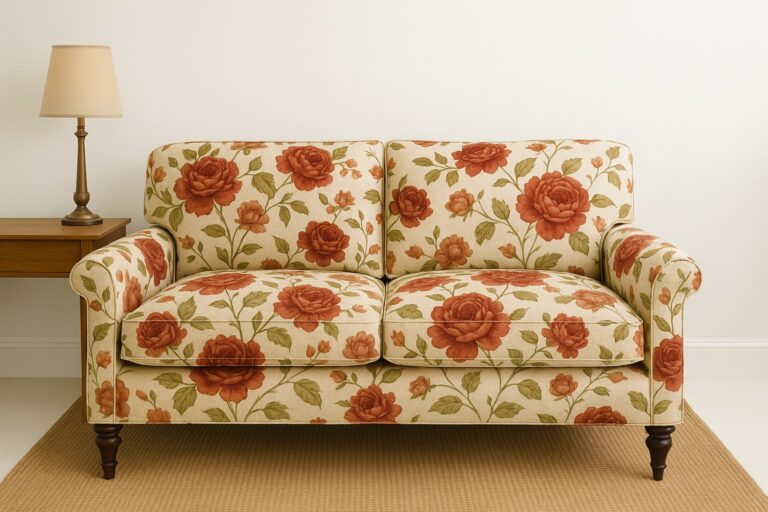
 VI Reupholstery SofaHome DecorView →
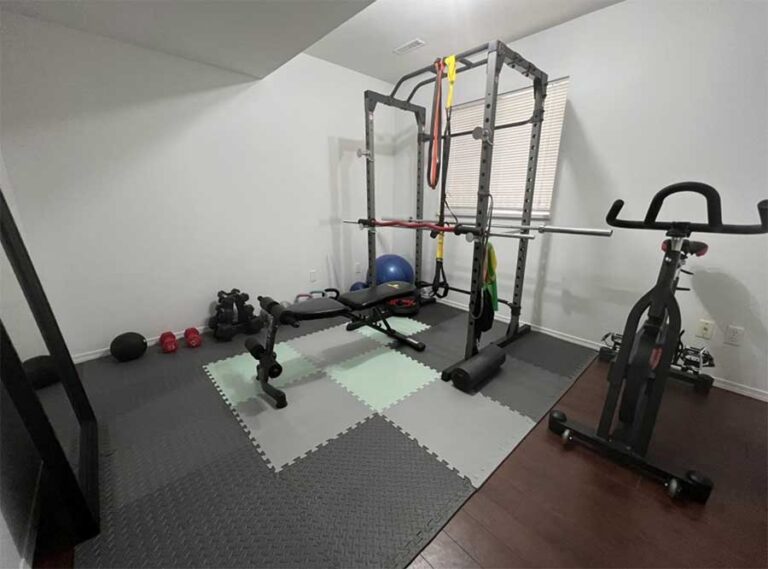
- Paragon FitnessGym and fitnessView →
- Kosoo Korean BBQ CoquitlamKorean RestaurantsView →
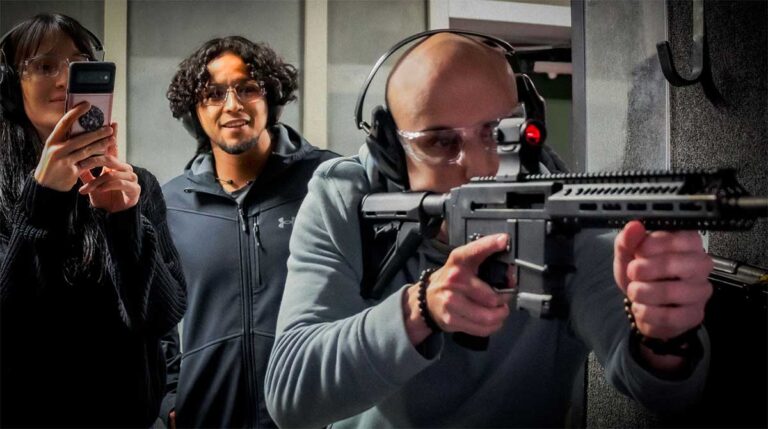
- Vancouver Gun RangeEntertainment & LeisureView →
- Coquitlam CentreShopping & RetailView →
- Accents@Home Coquitlam CentreFurniture StoreView →
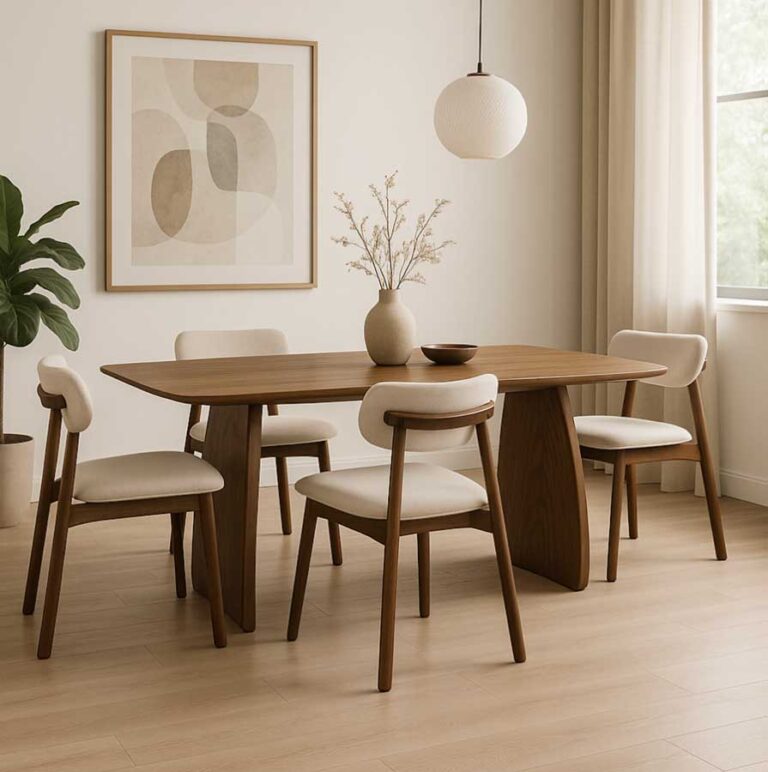
- Hygge Design House in CoquitlamFurniture StoreView →
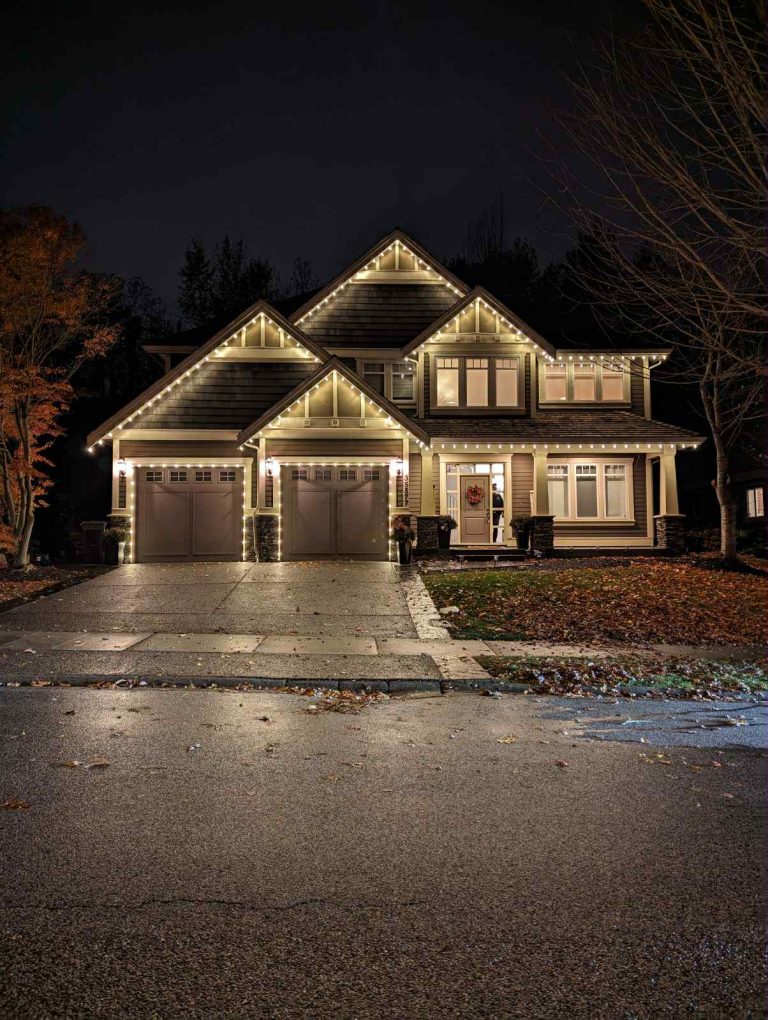
- The Christmas ExpertsChristmas ShopView →
- Singapore Hawker CoquitlamMalaysian RestaurantsView →
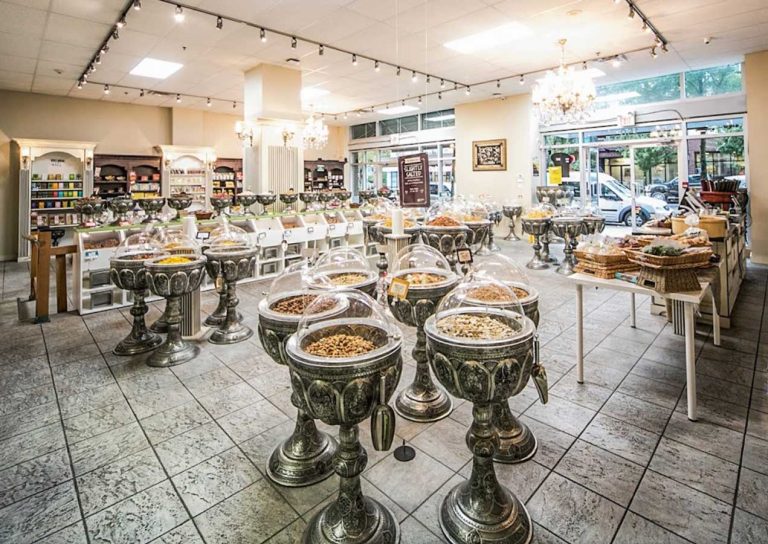
- Ayoub's Dried Fruits & Nuts – 2950 Glen Dr #150, Coquitlam, BCSnack FoodView →
- Copa Cafe CoquitlamHong Kong Style CafesView →
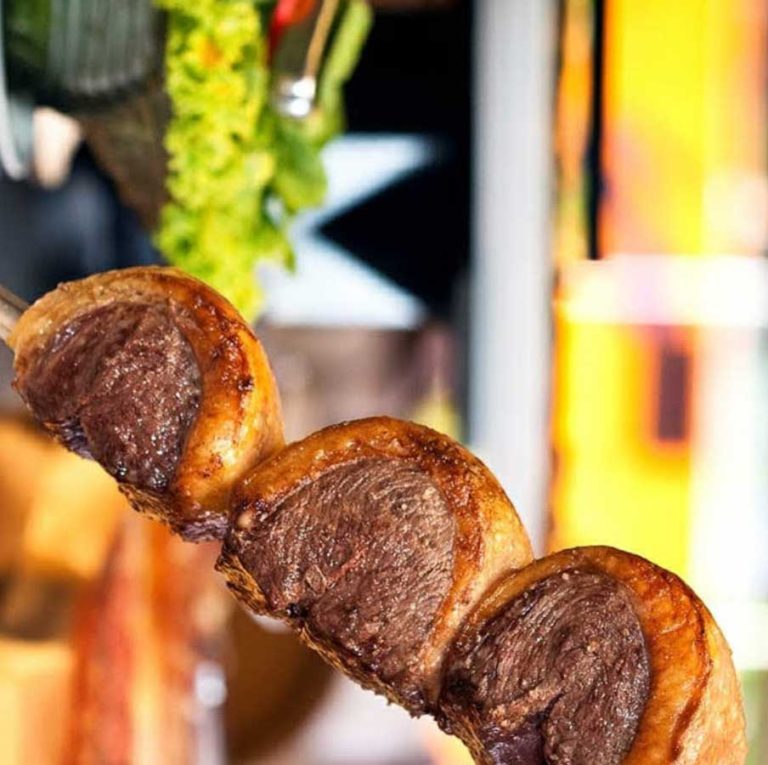
- Rio Brazilian Steakhouse CoquitlamBrazilian RestaurantView →


Refresh & refuel
Where to eat & drink in Port Coquitlam
 2.6 kmAyoub's Dried Fruits & Nuts – 2950 Glen Dr #150, Coquitlam, BCSnack Food2950 Glen Dr #150, Coquitlam, BC V3B 0B5, Canada
- 2.8 kmRio Brazilian Steakhouse CoquitlamBrazilian Restaurant2729 Barnet Hwy, Coquitlam, BC V3E 1K9, Canada
- 0.0 kmSun Mongolian Grill Port CoquitlamBarbecue Restaurants103-2564 Shaughnessy St, Port Coquitlam, BC V3C 3G4
- 1.9 kmKosoo Korean BBQ CoquitlamKorean Restaurants105-1123 Westwood St, Coquitlam, BC V3B 0M1
- 2.5 kmSingapore Hawker CoquitlamMalaysian Restaurants120-1169 Pacific St, Coquitlam, BC V3B 0J1
- 2.6 kmCopa Cafe CoquitlamHong Kong Style Cafes300-1175 Johnson Street, Coquitlam, BC V3B 7K1
Own a business in Port Coquitlam?
Get discovered by locals and visitors planning their time in the city.
FAQ
Port Coquitlam: good to know
How do I get to Port Coquitlam from downtown Vancouver?
On weekday afternoons and evenings, the West Coast Express runs from Waterfront to Port Coquitlam Station in about 35 minutes. At other times, take SkyTrain to Coquitlam Central and connect to the R3 RapidBus or a local bus.
Does Port Coquitlam have a SkyTrain station?
No. The nearest SkyTrain station is Coquitlam Central on the Millennium Line, just west of the city boundary.
How far is Port Coquitlam from YVR?
The airport is about 45 kilometres away. Allow roughly an hour by car outside rush hour, or longer by transit with several transfers.
Is Port Coquitlam good for families?
Yes. It has a family-friendly community feel, a trail that circles the city, modern recreation centres and big community events like May Days.
When is the Terry Fox Hometown Run?
It is held on a Sunday in September, starting at Hyde Creek Recreation Centre. In 2026 it took place on 20 September.
Which First Nation's territory is Port Coquitlam on?
Port Coquitlam is on the traditional, ancestral and unceded territory of the kʷikʷəƛ̓əm (Kwikwetlem) First Nation.
Sources for the facts on this page
- Statistics Canada, 2021 Census of Population (via Tri-City News: New census data shows population increase for the Tri-Cities; land area via Wikipedia: Port Coquitlam)
- Global News: B.C. municipal election 2026 results (18 October 2026)
- Daily Hive: Brad West re-elected as Port Coquitlam mayor (18 October 2026)
- PoCo Heritage: Port Coquitlam history, the traditional, ancestral and unceded territory of the kʷikʷəƛ̓əm
- Wikipedia: Port Coquitlam
- City of Port Coquitlam: City wraps up its 103rd May Days festival (May 2026)
- City of Port Coquitlam: Port Coquitlam marks 46 years of hope with annual Terry Fox Hometown Run (2026)
- CTV News: Port Coquitlam marks anniversary of Marathon of Hope with new exhibit (April 2025)
- TransLink: West Coast Express schedule
- Wikipedia: R3 Lougheed Hwy
Keep exploring
Nearby city guides
- Tri-Cities & Northeast · 2.5 kmCoquitlamLakes, forest trails and mountain views meet a SkyTrain-served city centre, Korean and Persian…
- Tri-Cities & Northeast · 4.3 kmPort MoodyA small city at the head of Burrard Inlet, with shoreline trails, paddling, railway…
- Tri-Cities & Northeast · 7.9 kmAnmoreA quiet, forested village above Port Moody and the gateway to Buntzen Lake's beaches,…
- Tri-Cities & Northeast · 8.1 kmPitt MeadowsDike trails, berry farms and marshland under big mountain skies, in a small city…
- South of the Fraser · 9.4 kmSurreyBC's second-largest city: six town centres, big parks, Punjabi food, farm country and a…
- Vancouver & Burrard Peninsula · 11.7 kmNew WestminsterBritish Columbia's first city: a hillside of heritage homes above the Fraser, with a…