
- Home
- Businesses
- Events
- All Upcoming Events
- Vancouver Events Calendar 2026
- January 2026 Events Calendar in Vancouver
- February 2026 Events Calendar in Vancouver
- March 2026 Events Calendar in Vancouver
- April 2026 Events Calendar in Vancouver
- May 2026 Events Calendar in Vancouver
- June 2026 Events Calendar in Vancouver
- July 2026 Events Calendar in Vancouver
- August 2026 Events Calendar in Vancouver
- September 2026 Events Calendar in Vancouver
- October 2026 Events Calendar in Vancouver
- November 2026 Events Calendar in Vancouver
- December 2026 Events Calendar in Vancouver
- Best Pumpkin Patches Near Vancouver
- Canada Day 2026 Events
- FIFA World Cup 2026 Vancouver Guide
- Nowruz 1405 (Year 2585) in Vancouver: Persian New Year Guide
- Holi Festivals 2026 Guide
- Lunar New Year 2026 Guide
- Polar Bear & Penguin Plunges 2026
- Christmas Events Vancouver 2026
- Remembrance Day 2026
- Halloween Fireworks 2026
- Diwali Fest 2026 Events Guide
- Spirit Halloween Stores 2026 Guide
- Vancouver’s Oktoberfest 2026 Guide
- Attractions
- Things to Do
- Metro Vancouver
- City of Vancouver
- City of Surrey
- City of Burnaby
- City of Richmond
- City of Coquitlam
- City of North Vancouver
- West Vancouver
- City of Langley
- Township of Langley
- Fort Langley
- City of Delta
- City of Maple Ridge
- City of New Westminster
- City of White Rock
- City of Port Coquitlam
- City of Port Moody
- City of Pitt Meadows
- Tsawwassen
- City of Abbotsford
- City of Chilliwack
- Squamish
- Whistler
- Guide
- prev
- next
- Leave a review
- Claim listing
- Bookmark
- Share
- Report
- prev
- next
Ads
Fort Langley is a charming heritage village on the Fraser River in the Township of Langley, about an hour east of downtown Vancouver. Known as the "birthplace of British Columbia," it is where the Colony of British Columbia was proclaimed in 1858, and its reconstructed Hudson's Bay Company fort is now a National Historic Site. Today the village's tree-lined main street, Glover Road, is packed with independent shops, cafes, antique stores and restaurants in heritage buildings, and it is one of the most popular day trips in Metro Vancouver and one of the most-filmed small towns in Canada.
Fort Langley sits on the traditional and unceded territory of the q̓ʷɑ:n̓ƛ̓ən̓ (Kwantlen) First Nation, whose main reserve is on McMillan Island, just across Bedford Channel from the village.
Fort Langley at a Glance: Quick Facts
| Fact | Detail |
|---|---|
| Province | British Columbia, Canada |
| Municipality | Township of Langley (Fort Langley is a village within the Township, not a separate municipality) |
| Region | Metro Vancouver Regional District |
| Founded | 1827, as a Hudson's Bay Company trading post |
| Known as | The birthplace of British Columbia |
| Population | A few thousand residents in the village area |
| Main street | Glover Road |
| Highlight | Fort Langley National Historic Site (Parks Canada) |
| Distance from downtown Vancouver | About 50 km, roughly 45 to 60 minutes by car |
| Local government | Township of Langley, 20338 65 Avenue |
| Postal code | Begins with V1M |
History of Fort Langley
The Kwantlen people
The Kwantlen people have lived along this stretch of the Fraser River for thousands of years, fishing for salmon and sturgeon and trading up and down the river. When the Hudson's Bay Company arrived, the Kwantlen moved their main village to McMillan Island, across from the fort, to be close to the trade. The Kwantlen First Nation is still based there today.
The Hudson's Bay Company fort
The Hudson's Bay Company built the first Fort Langley in 1827, a few kilometres downstream near today's Derby Reach Regional Park. In 1839 the fort was moved to its present location. It quickly became one of the most important HBC posts on the Pacific coast, trading furs and shipping salted salmon, cranberries and farm produce as far as Hawaii.
The birthplace of British Columbia
On November 19, 1858, during the Fraser River gold rush, Governor James Douglas proclaimed the Colony of British Columbia in the fort's "Big House." Fort Langley was briefly considered as the colony's capital before New Westminster was chosen. The village celebrates this every November 19 as Douglas Day.
Village life
As the fur trade declined, Fort Langley became a farming and river town. The Canadian Northern Railway arrived in 1915, and its station still stands. The fort itself fell into ruin, but one original storehouse survived, and the federal government began restoring the site in the 1950s, opening it as a historic park in time for BC's centennial in 1958. Since then, Fort Langley has grown into a popular heritage village and tourist destination, while debates over development and protecting its character continue.
Key dates in Fort Langley history
| Year | Event |
|---|---|
| 1827 | Hudson's Bay Company builds the first Fort Langley near Derby Reach |
| 1839 | Fort moved to its present site |
| 1858 | Colony of British Columbia proclaimed at Fort Langley (November 19) |
| 1873 | Township of Langley incorporated |
| 1915 | Canadian Northern Railway station opens |
| 1958 | Restored fort opens for BC's centennial |
Geography of Fort Langley
Fort Langley sits on the south bank of the Fraser River, across Bedford Channel from McMillan Island and close to where the Salmon River enters the Fraser. The village is compact and walkable, surrounded by farmland, forests and riverside trails. Highway 1 is about 5 km to the south, and the Golden Ears Bridge to Maple Ridge is a short drive west.
Exploring the Village
| Area | What it's like |
|---|---|
| Glover Road | Main street with shops, cafes, restaurants, galleries and antique stores |
| Mavis Avenue and the fort | National Historic Site, Langley Centennial Museum and BC Farm Museum |
| The waterfront | Marina Park, the boardwalk and Bedford Channel |
| Residential streets | Heritage cottages and newer homes on quiet, tree-lined streets |
| McMillan Island | Kwantlen First Nation lands across the channel |
Fort Langley Climate and Weather
Fort Langley has a mild oceanic climate with warm, sunny summers and cool, wet winters. Being inland, it is warmer in summer and frostier in winter than Vancouver, and occasional snow turns the village into a postcard scene.
| Season | Typical high | Typical low | What to expect |
|---|---|---|---|
| Winter (Dec–Feb) | 5–7 °C | −1–1 °C | Rainy and cool, occasional snow |
| Spring (Mar–May) | 11–18 °C | 3–8 °C | Blossoms and showers |
| Summer (Jun–Aug) | 23–26 °C | 11–13 °C | Warm and sunny, busy with visitors |
| Fall (Sep–Nov) | 10–20 °C | 3–9 °C | Fall colours and cranberry harvest |
Planning and Heritage Protection
Fort Langley is protected by a heritage conservation area and the Township's Fort Langley community plan, which aim to preserve its small-village scale and historic character. Recent debates have focused on new commercial and residential buildings on Glover Road, parking, traffic and how much the village should grow. The Township's mayor, Eric Woodward, is a Fort Langley property owner and redevelopment in the village has been a long-running local issue.
Fort Langley Landmarks and Heritage Buildings
| Building or site | Year | Why it matters |
|---|---|---|
| Fort Langley National Historic Site | 1839 onward | Reconstructed HBC fort with one original 1840s storehouse |
| Fort Langley Community Hall | 1931 | Heritage hall at the centre of village life |
| CN (Canadian Northern) Station | 1915 | Restored heritage railway station |
| Fort Langley Cemetery | 1880s | Historic pioneer cemetery |
| Glover Road heritage storefronts | Early 1900s | Historic shops lining the main street |
People of Fort Langley
Fort Langley is a small, close-knit community of a few thousand residents, including long-time families, artists, retirees and young families. Village data is included in the Township of Langley's census figures. The Kwantlen First Nation community on McMillan Island is a central part of the area's past and present.
Fort Langley Economy
Tourism and small business drive Fort Langley's economy. Glover Road's independent shops, galleries, antique stores, cafes, bakeries, ice cream shops and restaurants draw visitors year-round. Film and TV production is also important, as the village is booked by crews almost constantly. Nearby farms, wineries and the Fraser River add to the local economy.
Government and Services
Fort Langley is part of the Township of Langley, governed by Mayor Eric Woodward and eight councillors. There is no separate village government; local business owners are represented by the Fort Langley Business Improvement Association, and community groups such as the Fort Langley Community Association are active in local issues.
| Service | Provider |
|---|---|
| Local government | Township of Langley, 20338 65 Avenue |
| Police | Langley RCMP |
| Fire | Township of Langley Fire Department |
| Hospital | Langley Memorial Hospital, Murrayville |
| Emergency | 9-1-1 |
The next civic election for the Township of Langley is Saturday, October 17, 2026.
Getting to Fort Langley
By car
From Vancouver, take Highway 1 east to Exit 66 (232 Street) and follow the signs north to the village, or cross the Golden Ears Bridge from Maple Ridge. Parking fills up on sunny weekends and during festivals, so arrive early.
By transit
Fort Langley has limited bus service. Buses connect the village to Walnut Grove and Langley Centre, where you can transfer to routes to Surrey and SkyTrain. Check TransLink for current routes and times.
Walking and cycling
The village is best explored on foot. The Fort to Fort Trail follows the Fraser River for about 8 km from Fort Langley to Derby Reach Regional Park, and the boardwalk and Marina Park offer easy riverside strolls.
Schools and Library
Fort Langley is part of the Langley School District (School District 35). Fort Langley Elementary serves the village, and Langley Fine Arts School, a specialty arts school for grades 1 to 12, is located here. The Fort Langley Library is part of the Fraser Valley Regional Library system.
Museums and Arts in Fort Langley
| Venue | What you'll find |
|---|---|
| Fort Langley National Historic Site | Costumed interpreters, blacksmithing, gold panning and the story of BC's founding |
| Langley Centennial Museum | Local history and changing exhibitions |
| BC Farm Museum | Historic farm machinery, tools and rural life |
| Fort Gallery | Artist-run contemporary art gallery |
| Langley Fine Arts School | Student performances and exhibitions |
Filming locations
Fort Langley is one of the most-filmed small towns in Canada. Its main street, heritage buildings and riverside setting regularly stand in for small-town America, and it is a favourite location for holiday movies, especially Hallmark-style Christmas films. Glover Road is often decorated for winter scenes even in summer.
Food and Nightlife in Fort Langley
Fort Langley's evenings are relaxed and food-focused. Glover Road has restaurants, cafes, pubs and dessert shops, and the surrounding countryside has wineries, cideries and craft breweries. Many restaurants have patios that fill up on summer evenings. For clubs, most people head to Surrey or Vancouver.
Parks and Nature In and Around Fort Langley
| Park or trail | Why go |
|---|---|
| Marina Park and the boardwalk | Riverside views across Bedford Channel |
| Fort to Fort Trail | Riverside trail to Derby Reach Regional Park |
| Derby Reach Regional Park | Fraser River beach, camping and the site of the first Fort Langley |
| Brae Island Regional Park | Riverside campground and trails near the village |
| Glen Valley Regional Park | Quiet riverside nature east of the village |
| Salmon River | Salmon spawning and riverside walks in the fall |
Natural Attractions Near Fort Langley
The Fraser River is Fort Langley's natural centrepiece, with eagles, herons and salmon runs. Nearby, the Township's farms, berry fields and wineries make the area ideal for a countryside drive, and Campbell Valley Regional Park, the Greater Vancouver Zoo and Golden Ears Provincial Park are all within about 30 minutes.
Things to Do in Fort Langley: Top Attractions
- Visit Fort Langley National Historic Site.
- Stroll and shop along Glover Road.
- Walk the Fort to Fort Trail along the Fraser.
- See the BC Farm Museum and Langley Centennial Museum.
- Take photos at the historic CN Station.
- Enjoy an ice cream or coffee by the river at Marina Park.
- Spot filming locations from your favourite movies and shows.
- Celebrate Douglas Day on November 19.
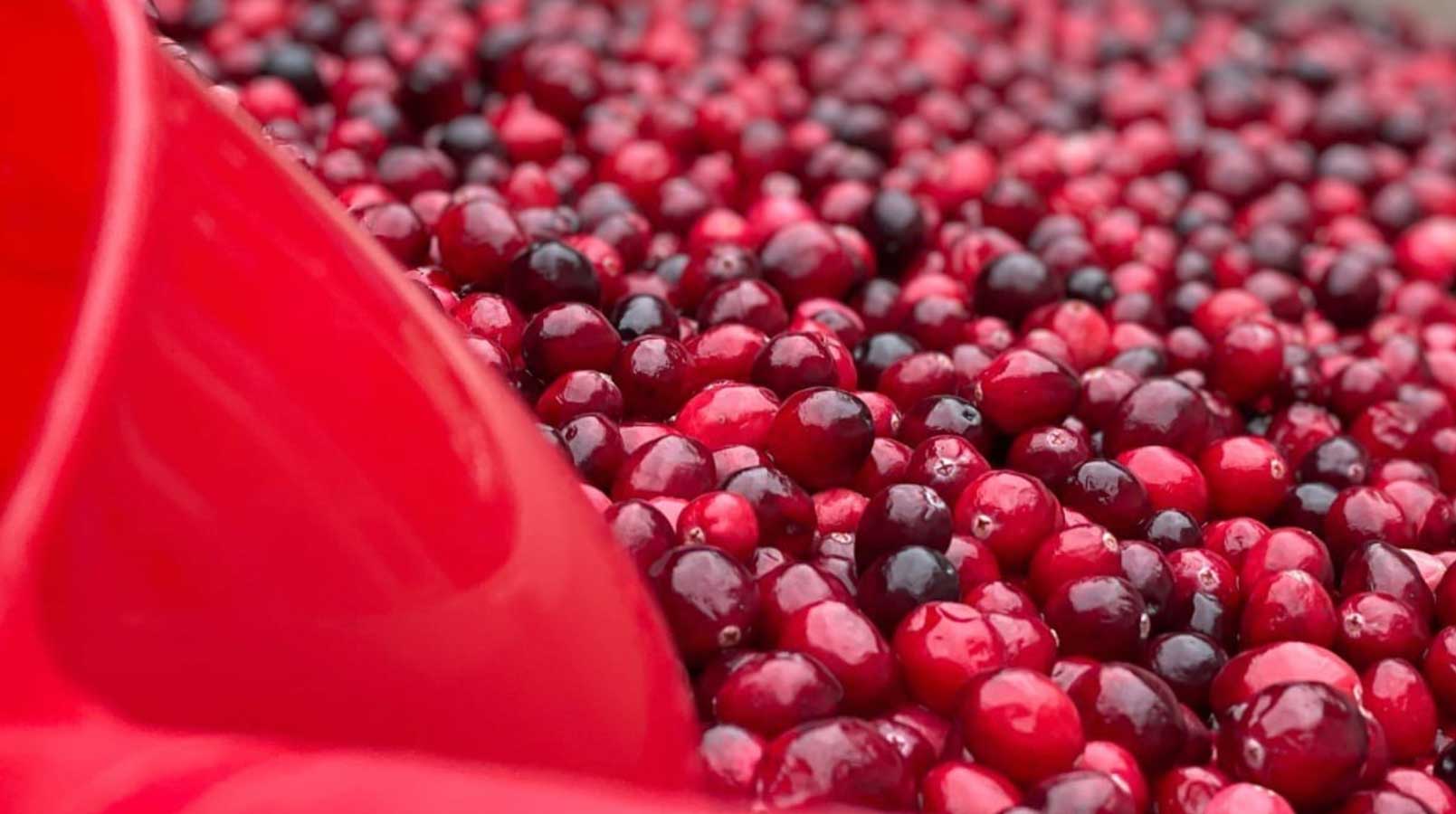
- Visit the Cranberry Festival in October.
- Tour nearby Langley wineries.
Sports and Recreation
Fort Langley's recreation is mostly outdoors: walking and cycling the riverside trails, kayaking and canoeing on the Fraser and Bedford Channel, and fishing. The Township's larger recreation centres, arenas and pools are a short drive away in Walnut Grove and Willoughby, along with the Langley Events Centre.
Annual Events and Festivals in Fort Langley
| Month | Event | Where |
|---|---|---|
| July 1 | Canada Day celebrations | Fort Langley National Historic Site |
| August | Brigade Days, recreating the fur-trade era | Fort Langley National Historic Site |
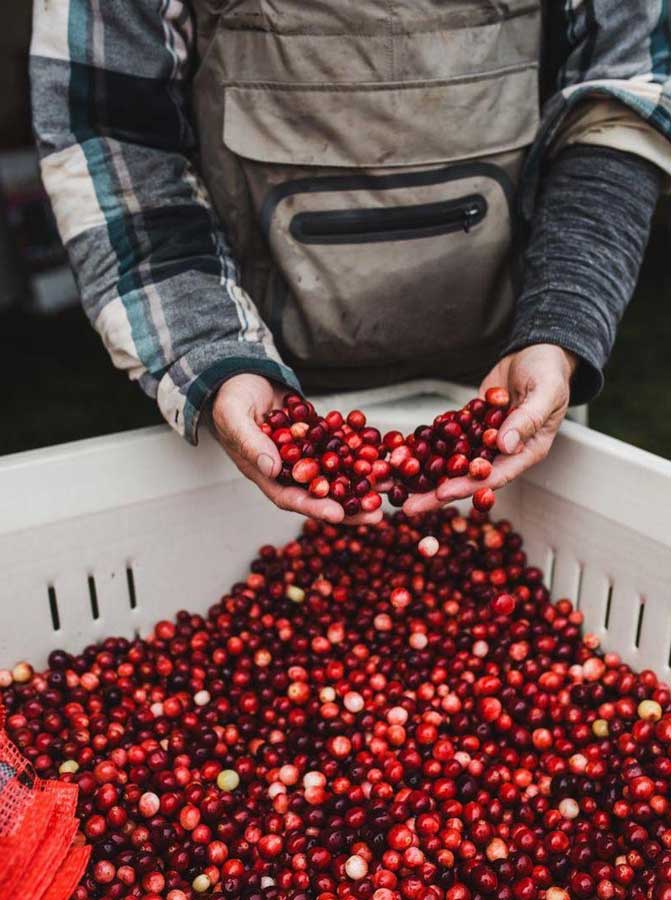
| October | Fort Langley Cranberry Festival | Glover Road |
| November 19 | Douglas Day, marking the proclamation of BC | Fort Langley National Historic Site |
| November 11 | Remembrance Day ceremony | Fort Langley |
| December | Holiday events and village lights | Glover Road |
Dates change from year to year, so check with organizers before you go.
Fort Langley FAQ
Is Fort Langley a city?
No. Fort Langley is a village within the Township of Langley, which provides its local government and services.
Why is Fort Langley called the birthplace of British Columbia?
The Colony of British Columbia was proclaimed at Fort Langley on November 19, 1858.
How far is Fort Langley from Vancouver?
About 50 km, or roughly 45 to 60 minutes by car via Highway 1.
What is Fort Langley known for?
Its national historic site, heritage main street, independent shops and cafes, riverside trails, filming locations and the Cranberry Festival.
Is Fort Langley worth visiting?
Yes. It is one of the best day trips from Vancouver, especially for history, food, shopping and riverside walks.