02 The story
From rail yards to red-brick patios
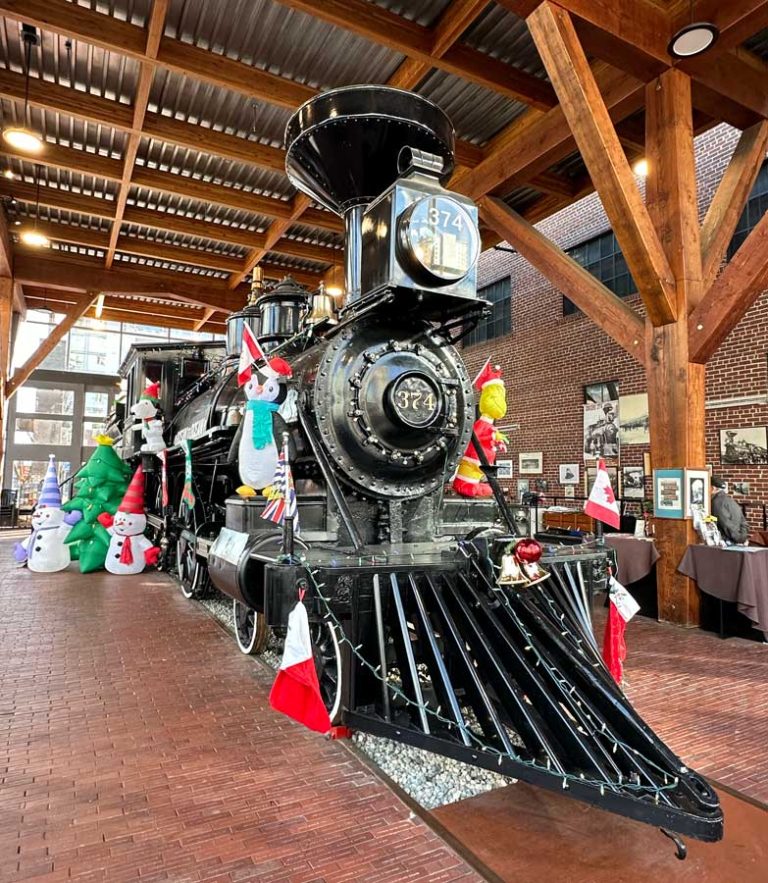
Yaletown sits on the north shore of False Creek, on the southeast edge of the downtown peninsula. In the late 1800s this was Vancouver’s industrial back door: the Canadian Pacific Railway moved its workers and rail yards here, and many came from the Fraser Canyon town of Yale, which gave the district its name.
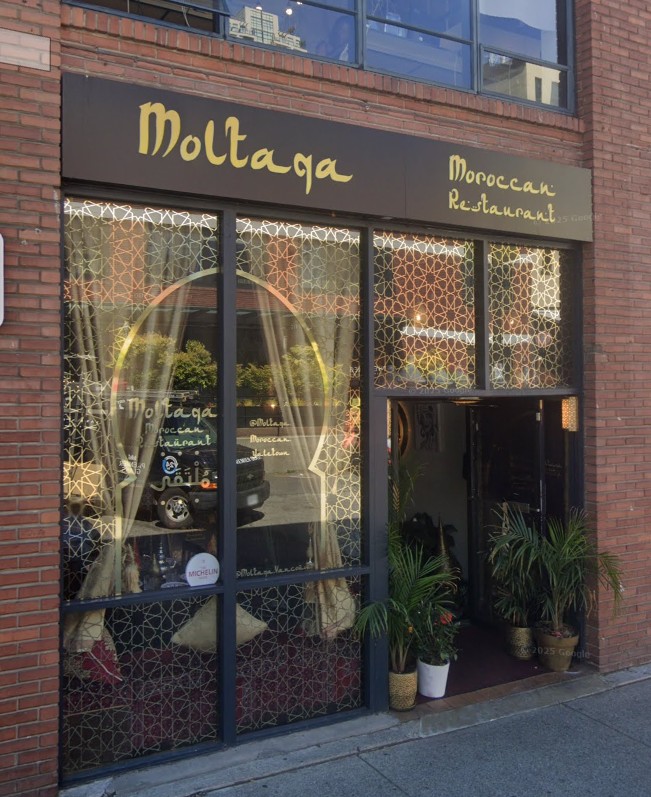
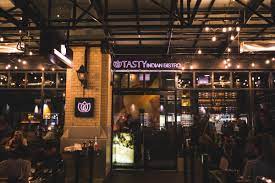
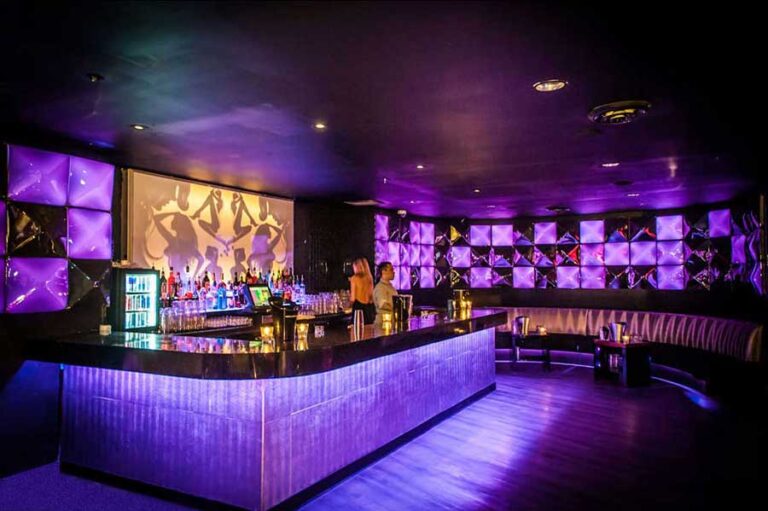
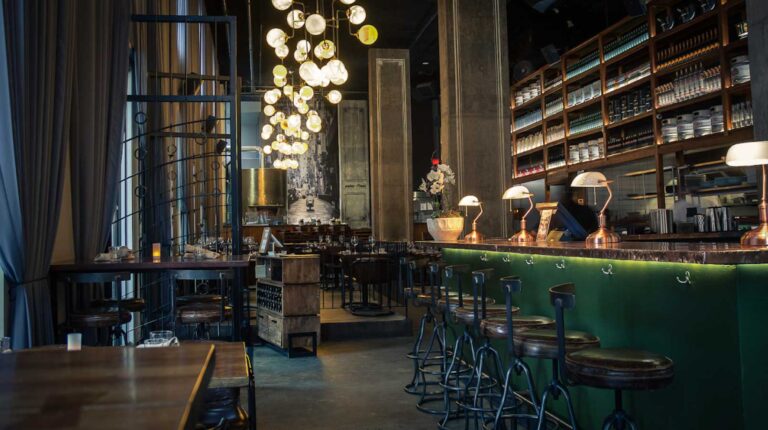
The brick warehouses they built still define the streets today. Along Hamilton and Mainland Streets, the old raised loading docks have become some of the city’s best-known patios, with restaurants, cocktail bars, salons and design shops tucked into heritage buildings.
A neighbourhood rebuilt after Expo 86
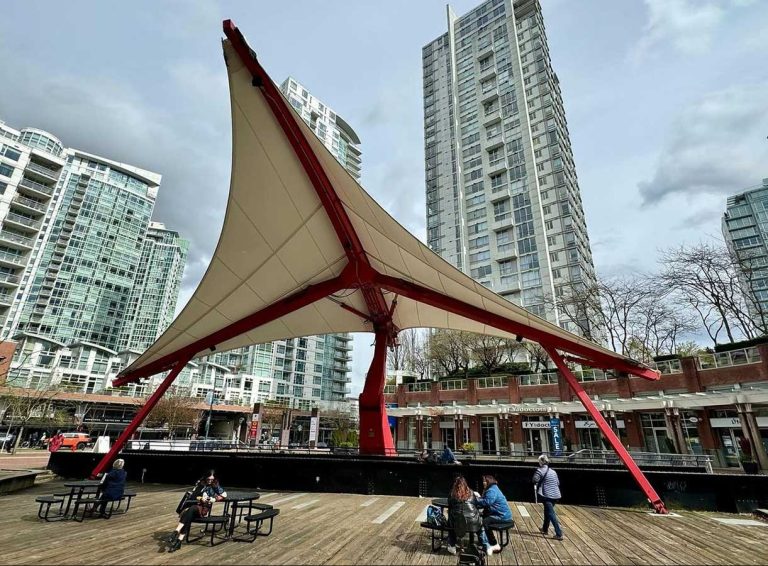
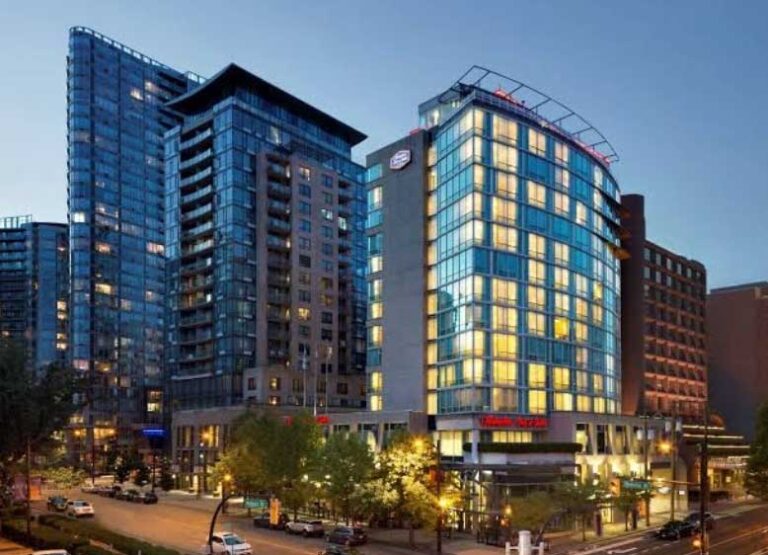
When the rail lands closed, the False Creek waterfront was used for Expo 86. The decades that followed turned the former fairgrounds into a forest of glass residential towers, waterfront parks and a stretch of the Seawall that is busy from sunrise to late evening with runners, cyclists and dog walkers.
The result is one of Vancouver’s most complete urban neighbourhoods: you can live, work, eat out, work out and catch a ferry without leaving a few blocks.
Living in Yaletown
Daily life here is dense, walkable and well connected. Grocery stores, gyms, cafés and clinics are all close at hand, and the Canada Line puts the airport and Richmond within easy reach. David Lam Park and George Wainborn Park give families and dog owners room to breathe, and the Roundhouse Community Centre runs arts and recreation programs year-round.
When to visit
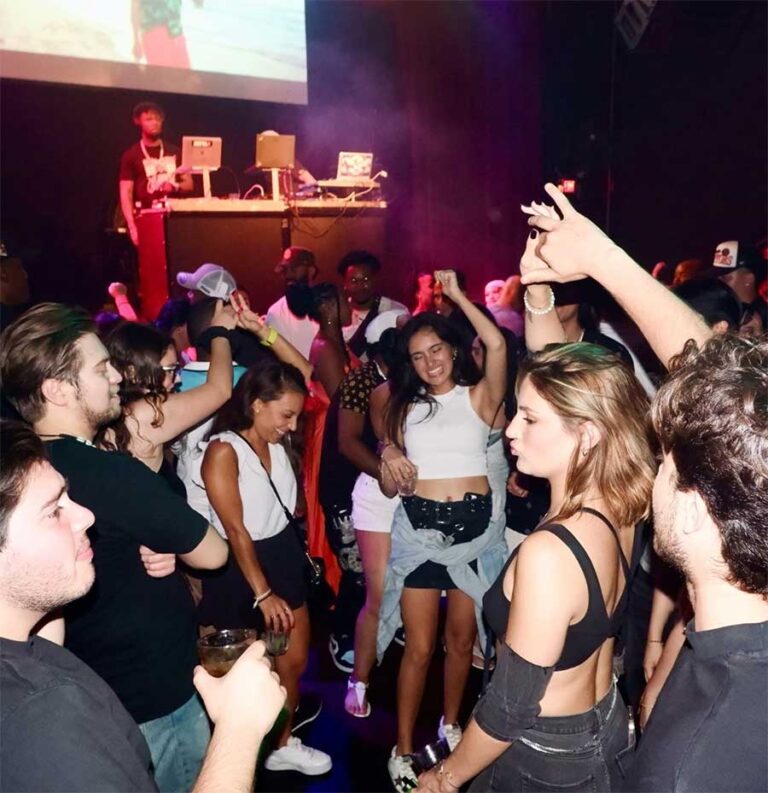
Summer evenings are Yaletown at its liveliest, with every patio full. On game and concert nights at nearby BC Place and Rogers Arena the streets fill early, so book dinner ahead. Weekday lunch and weekend brunch are calmer ways to explore.